
Introduction to Japanese Snacks
Japanese snacks are a delightful exploration of flavors, textures, and cultural significance. Among these, Japanese street food items like matcha and mochi stand out as quintessential representations of Japan's culinary heritage. Matcha, a finely ground powder of shade-grown green tea leaves, has been revered for centuries not only for its unique flavor but also for i
Culinary Heritage of Matcha and Mochi
Matcha's journey to Japan began in the 12th century when monk Eisai introduced it from China. He emphasized its health benefits in his treatise, Kissa Yojoki, which laid the foundation for matcha's integral role in Japanese culture. Today, Uji, a city in Kyoto, produces approximately 90% of Japan's premium matcha, known for its vibrant green color and rich umami flavor.
Mochi has a history that dates back over 1,000 years, originating from Shinto rituals where it was used as offerings. The traditional method of making mochi involves steaming and pounding mochigome rice, a labor-intensive process that has been mechanized for commercial production. During New Year celebrations, about 85% of Japanese households consume mochi, reinforcing its cultural significance as a symbol of prosperity.
Exploring Japanese Street Food
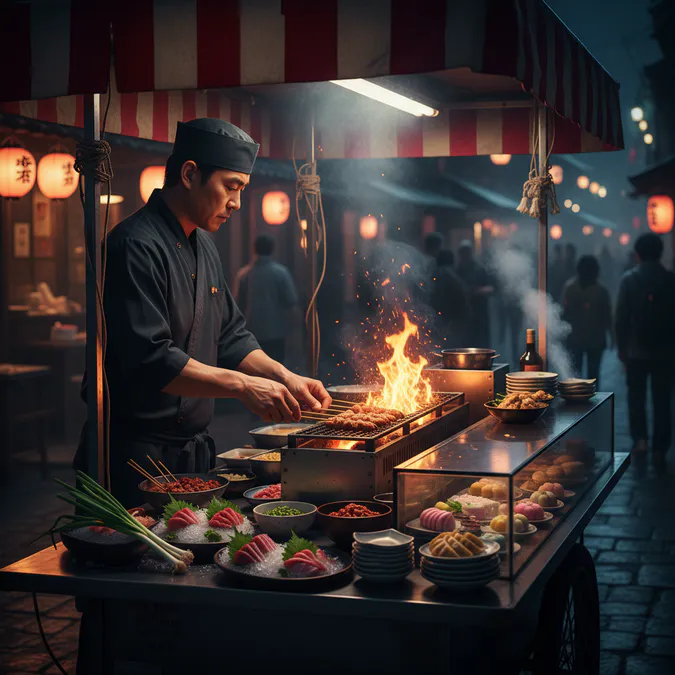
The street food culture in Japan is a vibrant and essential aspect of its culinary scene. Renowned for its variety and accessibility, Japanese street food can be found in bustling areas like Osaka's Dotonbori and Tokyo's Tsukiji, where over 500 vendors serve millions of customers annually. Popular street food items include:
- Takoyaki: Octopus balls made from a savory batter and filled with diced octopus, green onions, and pickled ginger.
- Taiyaki: Fish-shaped waffles typically filled with sweet red bean paste, custard, or chocolate.
- Yaki Imo: Roasted sweet potatoes that are a favorite during the colder months.
Japanese street food is not just about savory delights; it also features a plethora of sweet treats that showcase the country's rich confectionery traditions. The fusion of traditional snacks with modern street food has led to innovative creations that attract both locals and tourists alike.
Combining Flavors: Matcha and Mochi in Street Food
The combination of matcha and mochi has given rise to a new wave of culinary creativity in Japan. One of the most popular innovations is matcha mochi, which often features anko (sweet bean paste) filling. This pairing balances matcha's earthy bitterness with the subtle sweetness of the anko, creating a harmonious flavor profile.
Street food vendors are now experimenting with matcha mochi in various forms, including:
- Matcha Mochi Ice Cream: A delightful treat that combines the chewy texture of mochi with creamy matcha ice cream.
- Matcha Mochi Cakes: Soft cakes infused with matcha, often layered with sweet fillings.
- Matcha Mochi Dango: Skewered rice dumplings coated in matcha powder and served with sweet soy sauce.
These modern interpretations of traditional snacks not only cater to contemporary palates but also attract a global audience eager to experience authentic Japanese flavors. The market for Japanese street food is projected to reach a value of 15 billion yen by 2025, driven largely by tourism and the growing interest in Japanese cuisine worldwide, according to the Japan National Tourism Organization.
As food critic Robbie Swinnerton notes, "Street food in Japan is where tradition meets innovation, with matcha mochi bridging ancient wagashi and modern palates." This sentiment encapsulates the essence of Japan's culinary evolution, where age-old traditions are reimagined for a new generation.
Frequently Asked Questions
What are some popular Japanese street food dishes?
Popular dishes include Takoyaki, Taiyaki, and Yaki Imo, each offering unique flavors and textures.
Is matcha used in street food?
Yes, matcha is often incorporated into various street food items, including desserts like matcha mochi and matcha ice cream.
Where can I find the best Japanese street food?
Osaka's Dotonbori and Tokyo's Tsukiji are renowned for their vibrant street food scenes.
Key Takeaways
Matcha and mochi are not just snacks; they are a reflection of Japan's rich culinary heritage and cultural identity. Their integration into the vibrant street food scene highlights the innovative spirit of Japanese cuisine, making it accessible to a global audience. Whether you are a local or a tourist, indulging in these traditional snacks offers a unique taste of Japan's history and culture.