Introduction: The Syrian Diaspora in Berlin
In recent years, Berlin has emerged as a vibrant hub for Syrian culture, particularly through its food scene. Shawarma, a beloved street food originating from the Levant, has become a culinary symbol for the hundreds of thousands of Syrians who sought refuge in Germany, especially after the peak of the refugee crisis in 2015. This article explores how shawarma not only satisfies hunger b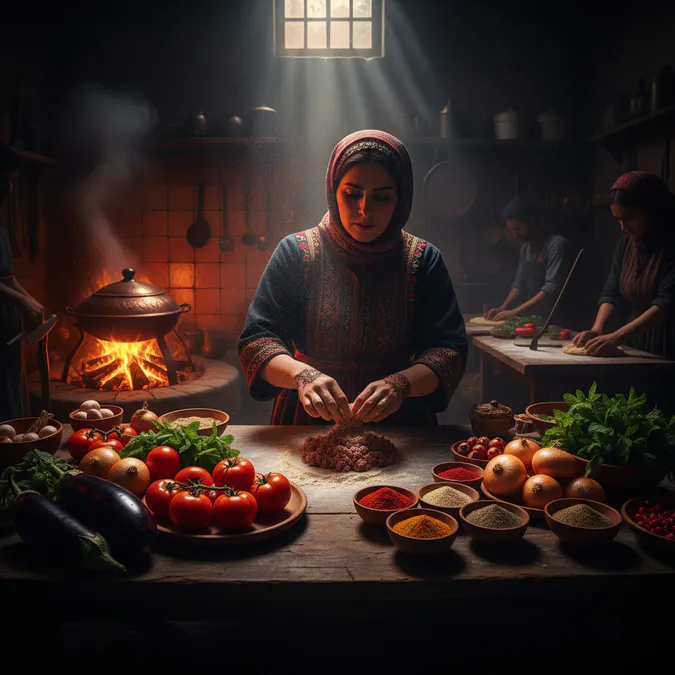
The Rise of Shawarma: A Culinary Symbol
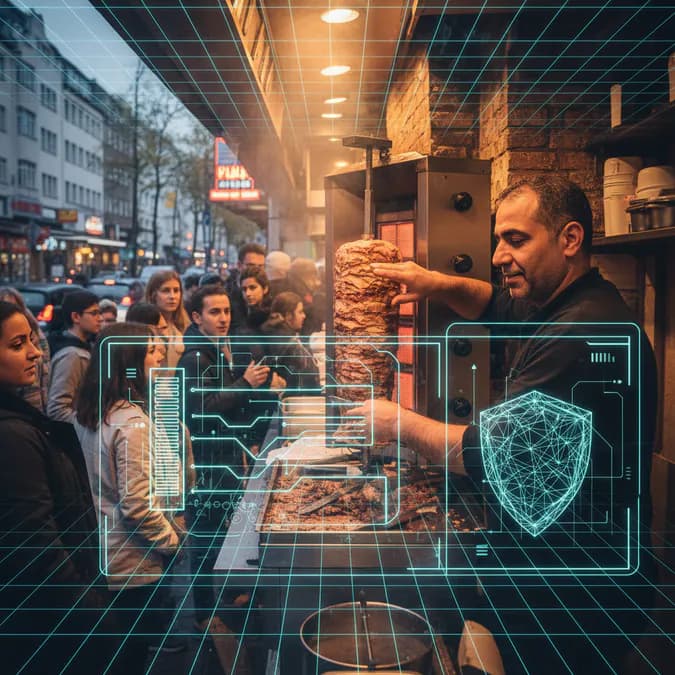
Shawarma, a dish made of marinated meat cooked on a vertical rotisserie and served in flatbread with a variety of toppings, has deep roots in Middle Eastern cuisine. In Syria, cities like Damascus and Aleppo are renowned for their shawarma, which is often accompanied by garlic sauce, pickles, and fresh vegetables. Following the outbreak of the Syrian civil war in 2011, many Syrians fled their homeland, with over a million arriving in Germany by 2016. Among them, hundreds of thousands were from Syria, seeking asylum and a new life. In Berlin, neighborhoods like Neukölln, particularly Sonnenallee, became hotspots for Syrian entrepreneurs who opened Imbiss (snack bars) and restaurants, adapting shawarma to local tastes while maintaining its authentic flavors.- Key Statistics:
- Over 900,000 Syrian refugees and asylum seekers have been granted protection status in Germany as of 2024 (UNHCR Germany).
- Around 40,000 estimated Syrian residents in Berlin as of 2023 (Berlin Senate Department for Integration).
- Over 200 Syrian-owned restaurants and Imbiss in Berlin-Neukölln since 2015 (Berlin Food Stories).
Food as Cultural Identity: The Syrian Example
Food is a powerful medium for expressing cultural identity, especially for diaspora communities. For many Syrian refugees, shawarma represents more than just a meal; it embodies their heritage and memories of home. Diana Hubbell, a food writer, notes, "For diaspora communities, food is often both one of the only available paths to business ownership and a form of soft diplomacy." This sentiment is echoed by Dr. Lena Weber, an anthropologist at Humboldt University Berlin, who states, "Shawarma in Berlin is more than street food; it's a symbol of resilience and cultural continuity for Syrian refugees." The act of preparing and sharing traditional dishes like shawarma fosters community among Syrian refugees, creating a sense of belonging in a foreign land. The flavors and aromas of shawarma serve as a reminder of their homeland, helping to maintain cultural ties amid the challenges of displacement.Challenges and Triumphs: The Syrian Refugee Experience
While the rise of shawarma in Berlin signifies cultural resilience, the journey for many Syrian refugees has not been easy. Upon arriving in Germany, many faced significant barriers to employment due to language barriers, lack of recognition of qualifications, and cultural differences. However, the food industry has provided a pathway for many to rebuild their lives.- Key Facts:
- 70% of Syrian refugees in Germany cite food businesses as their primary employment path (BAMF Integration Report 2024).
- Berlin's Syrian community has spurred over 200 eateries, blending Levantine spices with local preferences (Berlin Food Stories).
The Future of Syrian Cuisine in Berlin
As the Syrian diaspora continues to grow, so does the influence of Syrian cuisine on Berlin's culinary landscape. The establishment of events like the new Syrian Food Festival in Neukölln, which launched in March 2026, highlights the community's commitment to sharing their culture through food. The festival features shawarma workshops and storytelling sessions, drawing over 10,000 attendees and showcasing the richness of Syrian culinary traditions. Moreover, the recognition of Syrian entrepreneurs for their contributions to the local economy, such as the awards given in April 2026, underscores the importance of food in the integration process. The UNHCR's report on refugee culinary integration emphasizes how food businesses aid in mental health and community building, further solidifying the role of cuisine in the lives of Syrian refugees in Germany.Conclusion: Shawarma as Soul Food
Shawarma has transcended its status as mere street food to become a symbol of resilience, cultural identity, and community for the Syrian diaspora in Berlin. As hundreds of thousands of Syrians continue to navigate their new lives in Germany, shawarma stands as a delicious reminder of their heritage and a bridge to their future. The culinary journey of shawarma in Berlin exemplifies how food can reflect the complexities of cultural survival and the human experience, making it a true soul food for many. For those interested in exploring this vibrant aspect of culinary culture, visiting one of the many Syrian eateries in Berlin is not just a gastronomic adventure but also a journey into the heart of a community that continues to thrive against all odds.Key Takeaways
- Shawarma serves as a cultural symbol for the Syrian diaspora in Berlin.
- It represents resilience and continuity of heritage amidst displacement.
- Shawarma has adapted to local tastes while maintaining its authentic flavors.
- The food industry provides a vital pathway for Syrian refugees to rebuild their lives.
- Community events like the Syrian Food Festival foster cultural exchange and integration.
FAQ
What is shawarma?
Shawarma is a popular Middle Eastern dish made of marinated meat cooked on a vertical rotisserie, typically served in flatbread with various toppings.
How has shawarma influenced Syrian culture in Berlin?
Shawarma has become a symbol of cultural identity for Syrian refugees, representing their heritage and fostering community among them in Berlin.
What challenges do Syrian refugees face in Germany?
Many Syrian refugees encounter barriers such as language difficulties, lack of job recognition, and cultural differences, but the food industry has offered them opportunities for employment and integration.
Are there events celebrating Syrian cuisine in Berlin?
Yes, events like the Syrian Food Festival in Neukölln showcase Syrian culinary traditions and promote cultural exchange.