
Japan's culinary heritage runs deep, with matcha and mochi standing as two of the most iconic elements representing centuries of tradition. When you combine these refined traditions with the vibrant, accessible world of Japanese street food, you unlock an unforgettable gastronomic experience that captures the essence of everyday Japanese life and festive celebration alike.
Matcha, the powdered green tea central to Japanese tea ceremonies, originated from China's tea traditions but was introduced to Japan in the 12th century by Zen monk Eisai. Over centuries, it evolved into a symbol of refined tea culture and spiritual practice. Mochi, pounded glutinous rice cakes, dates back over a thousand years to Shinto rituals and New Year's celebrations, embodying the sticky, chewy textures that define both sweet and savory Japanese confections.
Beyond these refined traditions lies Japan's thriving street food culture—a world of portable, flavor-packed bites found in vibrant markets, festivals, and yatai carts. From takoyaki in Osaka's bustling Dotonbori neighborhood to taiyaki sold nationwide, Japanese street food blends accessibility with bold, memorable flavors that reflect regional diversity and seasonal ingredients.
The Culinary Heritage of Japan
Japan's food culture represents a unique blend of refinement, seasonality, and accessibility. Unlike many cuisines that separate fine dining from everyday eating, Japanese culinary traditions honor both the ceremonial and the casual with equal respect.
This philosophy extends from the most formal kaiseki multi-course meals to the humble street stall se
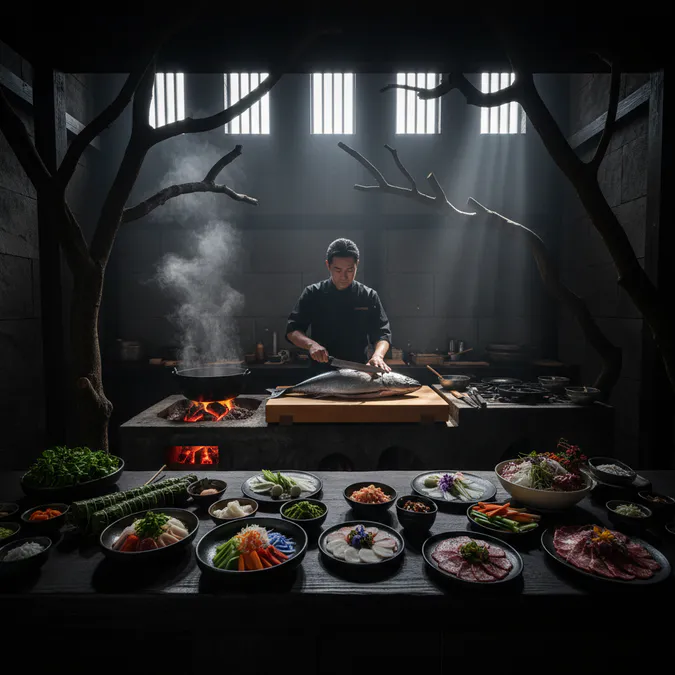
The influence of Zen Buddhism, Shinto practices, and seasonal awareness permeates Japanese food culture. Ingredients are chosen not just for flavor but for their symbolic meaning and their connection to specific times of year. This deep respect for tradition, combined with an openness to innovation, has allowed Japanese cuisine to remain vibrant and relevant across generations.
Understanding Matcha: Japan's Refined Tea Tradition
Matcha represents far more than a beverage—it embodies an entire philosophical approach to food and ritual. When Zen monk Eisai brought tea cultivation techniques from China to Japan in the 12th century, he planted seeds that would grow into one of the world's most distinctive tea cultures.
Unlike steeped teas where leaves are removed after brewing, matcha involves whisking powdered tea leaves directly into hot water, creating a vibrant green suspension. This preparation method became central to the Japanese tea ceremony, or chanoyu, where every movement, every utensil, and every moment carries intentional meaning.
The refinement of matcha culture reflects Zen Buddhist principles of mindfulness and presence. The ceremony itself—the careful preparation, the deliberate whisking, the communal sharing of a single bowl—transforms tea drinking from simple consumption into meditation and social connection.
Today, matcha extends beyond the formal tea room. You'll find it in traditional sweets, ice cream, lattes, and countless modern applications. Yet the finest matcha still comes from shade-grown tea plants, hand-picked and stone-ground into powder that captures the essence of Japan's tea heritage. The bright green color, smooth texture, and slightly grassy, umami-rich flavor distinguish authentic matcha from lower-quality powders used in commercial products.
Mochi: A Thousand-Year Confectionery Legacy
Mochi's history intertwines with Japan's spiritual and cultural identity. These pounded glutinous rice cakes originated in Shinto rituals and became inseparable from New Year's celebrations, where they symbolize prosperity, longevity, and new beginnings.
The process of making mochi—pounding steamed glutinous rice until it transforms into a smooth, sticky paste—has remained largely unchanged for over a thousand years. This labor-intensive tradition, called mochitsuki, is still performed at festivals and family gatherings, where the rhythmic pounding of wooden mallets creates a communal experience that connects modern Japan to its ancient past.
Mochi in Traditional and Modern Forms
Mochi appears in countless forms throughout Japanese cuisine. In its simplest form, it's a plain cake eaten with soy sauce and nori seaweed. More commonly, it's filled with sweet red bean paste (anko) to create daifuku, or shaped into dango—skewered rice dumplings that appear in both sweet and savory varieties. The texture defines mochi's appeal: chewy, slightly sticky, with a delicate sweetness that doesn't overwhelm the palate.
What makes mochi particularly versatile is its ability to bridge refined and casual dining. You'll encounter mochi in high-end wagashi (traditional Japanese sweets) shops where artisans craft individual pieces as edible art. Simultaneously, you'll find mochi in street food stalls, convenience stores, and home kitchens across Japan. This democratic quality—the way mochi appears at both the most formal tea ceremony and the most casual festival—reflects something fundamental about Japanese food culture.
According to byFood's ranking of traditional Japanese foods, mochi is recognized as a top traditional Japanese dish alongside sushi and ramen, demonstrating its enduring cultural significance.
The Vibrant World of Japanese Street Food
Japanese street food culture thrives in a unique ecosystem where quality, speed, and flavor converge. Unlike street food in some cultures that might be considered secondary to restaurant dining, Japanese street food commands respect and attracts serious food enthusiasts.
According to food travel blogger Will Fly for Food, "The two dishes that are most representative of Osaka food culture are takoyaki and okonomiyaki. Both are frequently labeled as street food but in our opinion, only takoyaki should be considered true Japanese street food." This distinction matters because true Japanese street food emphasizes portability, quick preparation, and bold flavors that stand alone without requiring a full meal context.
Takoyaki: Osaka's Iconic Street Food
Takoyaki—gooey octopus-filled balls topped with takoyaki sauce, Japanese mayonnaise, and dancing bonito flakes—represents the quintessential Japanese street food experience. At Osaka's Dotonbori neighborhood, takoyaki stalls serve this iconic snack for approximately 650 yen (around $4.81), making it accessible yet crafted with care. The exterior achieves a perfect golden-brown crispness while the interior remains molten and rich, creating a textural contrast that defines the experience.
The Kuromon Ichiba Market in Osaka stands as one of Japan's premier destinations for takoyaki and other street foods, where vendors have perfected their craft over generations.
Taiyaki: Fish-Shaped Fortune
Taiyaki, fish-shaped waffles filled with red bean paste or custard cream, symbolize good luck and appear nationwide at street stalls and festivals. The fish shape itself carries symbolic meaning in Japanese culture, representing abundance and prosperity. Whether filled with traditional anko or modern variations like matcha or chocolate, taiyaki remains a beloved portable snack that bridges tradition and contemporary tastes.
Imagawayaki and Festival Favorites
Imagawayaki, also called obanyaki in the Kansai region, are pancake sandwiches filled with sweet fillings like red bean, chestnut, or custard. Chains like Gozasoro have built entire businesses around these humble snacks, which appear frequently at festivals and temple fairs. The warm, slightly crispy exterior gives way to a soft, sweet filling—comfort food in its most portable form.
Savory Street Food Options
Yakitori—grilled chicken skewers seasoned with tare sauce or salt—represents savory street food at its finest. The quick cooking over charcoal, the smoky aroma, and the ability to eat while walking make yakitori a staple of Japanese street food culture. Karaage, Japanese fried chicken, offers another savory option with crispy exteriors and juicy interiors, often served with a squeeze of fresh lemon.
Nikuman, steamed buns filled with seasoned pork, provide warmth and substance, particularly popular during cooler months. Senbei, artisan rice crackers, represent a different category of street snack. As travel bloggers from 2 Aussie Travellers note, "A senbei is a rice cracker, but not as we know it in the west. An artisan-made senbei is crunchy, it's hearty, filling and packed full of flavour."
Top-Rated Street Foods
According to TasteAtlas's ranking of the 16 best street foods in Japan, takoyaki, yakitori, and yakisoba consistently rank among the highest-rated options, reflecting both their popularity and their quality. This user-driven ranking demonstrates that Japanese street food maintains rigorous standards that rival formal restaurant dining.
Must-Try Street Food Destinations in Japan
Osaka: Japan's Kitchen
Osaka has earned the nickname "Japan's Kitchen," and for good reason. The city's street food culture represents the most concentrated and celebrated in the country. Dotonbori, the neighborhood that travel journalist from The Packable Life describes as where "street food in the Dotonbori neighborhood was the best-of-the-best," draws visitors specifically for its food experiences.
The Kuromon Ichiba Market stands as one of Japan's most famous food markets, offering everything from fresh seafood to prepared street foods. The market's energy, the vendors' expertise, and the quality of ingredients create an immersive culinary experience that captures the essence of Osaka's food-first culture. Walking through Kuromon Ichiba, you'll encounter vendors calling out their specialties, offering samples of fresh sashimi, grilled scallops, and perfectly prepared takoyaki.
Tokyo: Taiyaki and Beyond
While Osaka dominates takoyaki culture, Tokyo has established itself as the taiyaki capital. The city's numerous taiyaki stalls, from traditional shops to modern cafes, showcase the snack's versatility and enduring appeal. Tokyo's street food scene also emphasizes variety, with vendors offering everything from traditional options to innovative fusion creations that respect the original while pushing boundaries.
Regional Specialties and Hidden Gems
Japan's regional diversity means that street food varies significantly by location. Kagoshima, for instance, offers underrated street foods like agetateya (fried fish cakes) and sweet potato snacks that reflect local agricultural traditions. This regional variation means that exploring Japanese street food becomes a journey through the country's diverse food cultures, each region contributing its own specialties and techniques.
Key Takeaways
Matcha and mochi represent the refined, ceremonial side of Japanese culinary tradition—foods that carry spiritual significance and centuries of cultural meaning. Matcha's connection to Zen Buddhism and tea ceremony culture, combined with mochi's role in Shinto rituals and New Year's celebrations, demonstrates how Japanese food culture honors tradition while remaining accessible to everyday people.
Japanese street food, meanwhile, captures the energy, creativity, and quality standards that define modern Japan. From takoyaki in Osaka's vibrant Dotonbori to taiyaki sold at festivals nationwide, street food represents an egalitarian approach to cuisine where quality and flavor matter more than formality or price point.
When you visit Japan, seeking out both the refined traditions of matcha ceremonies and the casual joy of street food stalls creates a complete picture of Japanese culinary culture. These aren't separate worlds but interconnected expressions of the same values: respect for ingredients, attention to technique, and the belief that food serves as a bridge between people, seasons, and generations.
Whether you're whisking matcha in a traditional tea room, biting into a warm mochi cake at a festival, or standing at a takoyaki stall in Dotonbori, you're participating in food traditions that have nourished and delighted Japanese people for centuries. That continuity, combined with the innovation and joy evident in every street food stall, makes Japanese culinary culture endlessly rewarding to explore.
Frequently Asked Questions
What are the most popular types of Japanese street food?
Some of the most popular types of Japanese street food include takoyaki, taiyaki, yakitori, and imagawayaki. Each offers unique flavors and experiences.
Where can I find the best street food in Japan?
Osaka's Dotonbori and Kuromon Ichiba Market are renowned for their street food offerings, while Tokyo also boasts a vibrant street food scene.
Is Japanese street food healthy?
Japanese street food can be a mix of healthy and indulgent options. Many dishes incorporate fresh ingredients and seasonal produce, making them a flavorful choice.
Sources
- Automated Pipeline
- Japanese Street Food: 15 Must-Try Dishes (With Recipes)
- 16 Best Street Food in Japan - TasteAtlas
- Osaka's Street Food: 12 Street Eats in Japan's Kitchen
- Street food in Japan - 20 delicious treats
- 50 Traditional Japanese Foods: Top Traditional Dishes - byFood
- Source: youtube.com
- Source: youtube.com