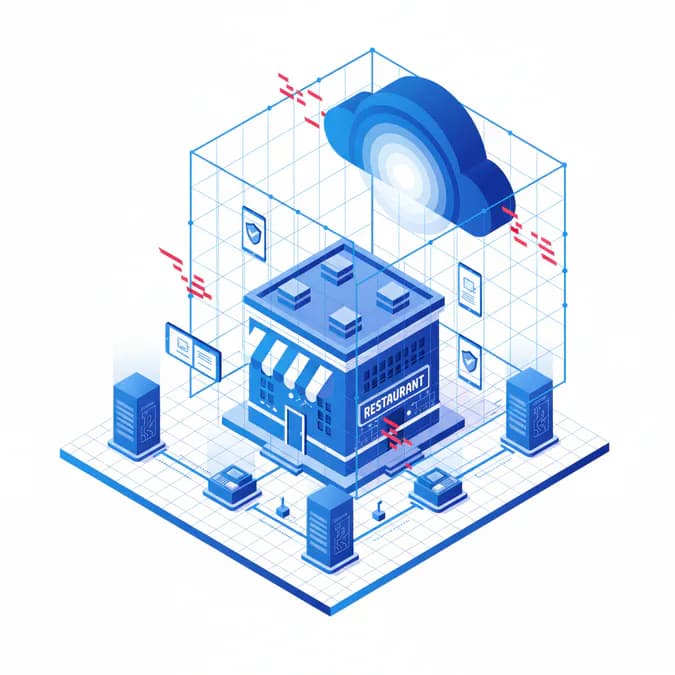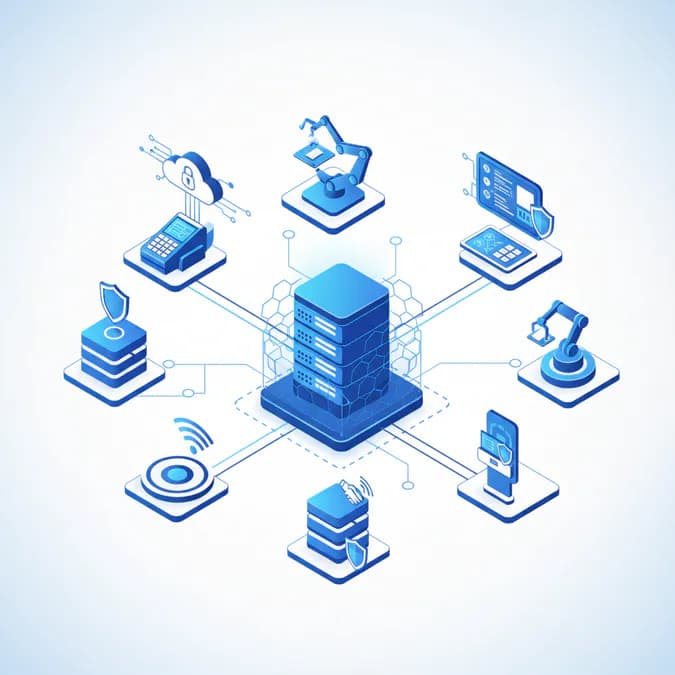
The restaurant industry is undergoing a significant transformation, driven by the increasing adoption of restaurant tech automation. From online ordering systems to robotic kitchen assistants, technology is reshaping how restaurants operate, interact with customers, and manage their resources. This shift is not merely a trend; it's a fundamental change that's essential for restaurants to remain competitive and thrive in today's rapidly evolving market. Industry experts note that restaurants implementing comprehensive automation strategies report efficiency gains of 20-30% within the first year of deployment.
Table of Contents
- The Rise of Restaurant Tech Automation
- Key Benefits of Restaurant Automation
- 7 Essential Restaurant Tech Automation Tools
- Implementing Restaurant Tech: A Step-by-Step Guide
- The Future of Restaurant Tech Automation
- Frequently Asked Questions
- Key Takeaways
The Rise of Restaurant Tech Automation
For years, the restaurant industry has been characterized by high labor costs, thin profit margins, and intense competition. Restaurant tech automation offers a solution to many of these challenges by streamlining processes, reducing errors, and improving efficiency. By automating tasks such as order taking, food preparation, and inventory management, restaurants can free up staff to focus on providing exc
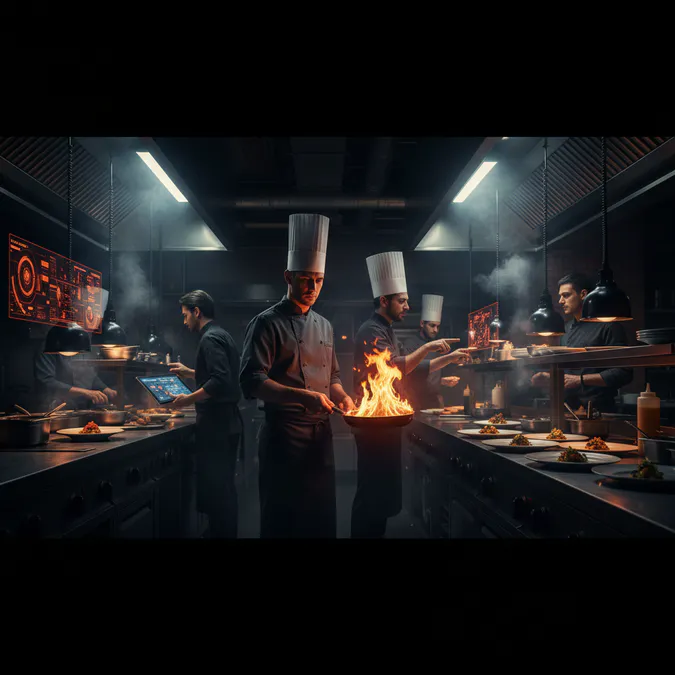
Key Benefits of Restaurant Automation
- Increased Efficiency: Automation streamlines workflows, reducing wait times and improving order accuracy. Modern restaurant tech systems can process orders 40% faster than traditional methods.
- Reduced Labor Costs: Automating repetitive tasks minimizes the need for manual labor, leading to significant cost savings. This allows restaurants to allocate resources toward higher-value customer interactions.
- Enhanced Customer Experience: Online ordering, mobile payments, and personalized recommendations enhance convenience and satisfaction. Customers appreciate the speed and accuracy that restaurant tech automation provides.
- Improved Inventory Management: Automated systems track inventory levels in real-time, minimizing waste and optimizing ordering. This reduces food spoilage by up to 20% in many establishments.
- Data-Driven Insights: Automation provides valuable data on customer preferences, sales trends, and operational performance, enabling informed decision-making. Restaurant tech platforms generate actionable insights that drive profitability.
7 Essential Restaurant Tech Automation Tools
A wide range of restaurant tech automation tools are available to address various needs and challenges. Here are seven of the most essential solutions transforming the industry:
1. Online Ordering Systems
Online ordering systems have become indispensable for restaurants of all sizes. These restaurant tech solutions allow customers to place orders online or through mobile apps, streamlining the ordering process and reducing phone calls. Many online ordering systems also integrate with delivery services, expanding a restaurant's reach and customer base. Third-party platforms and proprietary systems both offer distinct advantages depending on your restaurant's specific needs and target market.
2. Point of Sale (POS) Systems
Modern POS systems go far beyond simply processing payments. They can manage orders, track inventory, generate reports, and integrate with other restaurant tech automation tools. Cloud-based POS systems offer additional benefits, such as remote access and real-time data synchronization. These systems serve as the central nervous system of restaurant tech operations, connecting front-of-house and back-of-house functions seamlessly.
3. Kitchen Display Systems (KDS)
KDS replace traditional paper tickets in the kitchen, displaying orders electronically and providing real-time updates on order status. This restaurant tech innovation improves communication between the front and back of house, reducing errors and improving efficiency. KDS systems also provide valuable data on kitchen performance and bottlenecks, enabling continuous improvement.
4. Inventory Management Systems
Inventory management systems automate the process of tracking inventory levels, minimizing waste and optimizing ordering. These restaurant tech solutions can also generate reports on inventory usage and costs, providing valuable insights for decision-making. Automated tracking prevents stockouts while reducing excess inventory that ties up capital.
5. Customer Relationship Management (CRM) Systems
CRM systems help restaurants manage customer data, track customer interactions, and personalize marketing efforts. This restaurant tech category can lead to increased customer loyalty and repeat business. By understanding customer preferences and purchase history, restaurants can deliver targeted promotions and personalized experiences that drive revenue growth.
6. Robotic Kitchen Assistants
While still in their early stages, robotic kitchen assistants are beginning to automate tasks such as grilling burgers, flipping pancakes, and assembling salads. These robots can improve consistency, reduce labor costs, and free up staff to focus on other tasks. As restaurant tech continues to advance, robotic solutions are becoming more affordable and accessible to mid-sized establishments.
7. Reservation and Table Management Systems
Modern reservation systems optimize seating arrangements and reduce wait times. These restaurant tech tools integrate with customer databases to provide personalized service and enable targeted marketing. Automated table management maximizes seating capacity and improves the overall dining experience for guests.
Implementing Restaurant Tech Automation: A Step-by-Step Guide
Implementing restaurant tech automation can be a complex process, but it doesn't have to be overwhelming. Here's a comprehensive step-by-step guide to help you get started:
- Assess Your Needs: Identify the areas of your restaurant that could benefit most from automation. Consider factors such as labor costs, efficiency, customer satisfaction, and inventory management. Conduct a thorough audit of current processes to pinpoint inefficiencies.
- Research Available Solutions: Explore the various restaurant tech automation tools available and compare their features, pricing, and compatibility with your existing systems. Request demos and speak with other restaurant owners who use these solutions.
- Develop a Plan: Create a detailed plan that outlines your goals, budget, timeline, and implementation strategy. Include staff training schedules and contingency plans for potential disruptions.
- Start Small: Begin by implementing automation in one or two areas of your restaurant, such as online ordering or inventory management. This will allow you to test the waters and learn from your experiences before making a larger investment in comprehensive restaurant tech solutions.
- Train Your Staff: Provide your staff with comprehensive training on how to use the new automation tools. This will ensure that they are comfortable and confident using the systems, and that they can provide excellent customer service. Ongoing training and support are essential for successful adoption.
- Monitor and Evaluate: Track the performance of your automation systems and make adjustments as needed. This will help you optimize your processes and maximize the benefits of restaurant tech automation. Use data analytics to measure ROI and identify areas for improvement.
- Scale and Expand: Once you've successfully implemented initial automation, gradually expand to other areas of your operation. Use lessons learned from early implementations to guide future restaurant tech investments.
The Future of Restaurant Tech Automation
The future of restaurant tech automation is bright, with new technologies and innovations emerging all the time. As technology continues to evolve, we can expect to see even more sophisticated and integrated automation solutions that transform the restaurant industry. The convergence of multiple technologies will create seamless, intelligent systems that anticipate customer needs and optimize operations in real-time.
Emerging Trends in Restaurant Automation
- Artificial Intelligence (AI): AI is being used to personalize customer experiences, optimize pricing, and predict demand. Machine learning algorithms analyze customer behavior patterns to recommend menu items and predict peak hours, enabling better staffing decisions.
- Internet of Things (IoT): IoT devices are being used to monitor equipment performance, track inventory levels, and optimize energy consumption. Smart sensors provide real-time alerts when equipment requires maintenance, preventing costly downtime.
- Blockchain Technology: Blockchain is being used to improve food safety, track supply chains, and facilitate secure payments. This restaurant tech innovation enhances transparency and builds customer trust in food sourcing and preparation.
- Voice-Activated Ordering: Voice technology enables customers to place orders through smart speakers and voice assistants, creating new convenience channels for restaurant tech adoption.
- Augmented Reality (AR): AR applications allow customers to visualize menu items before ordering, enhancing the decision-making process and reducing order errors.
Frequently Asked Questions About Restaurant Tech Automation
What is the average cost of implementing restaurant tech automation?
The cost varies widely depending on the scope of implementation and the specific tools selected. Small restaurants might invest $5,000-$15,000 for basic systems, while larger establishments could spend $50,000 or more for comprehensive restaurant tech solutions. Most providers offer flexible pricing models including monthly subscriptions and pay-per-transaction options.
How long does it take to implement restaurant tech automation?
Implementation timelines typically range from 2-6 months depending on complexity. Initial setup and staff training usually take 4-8 weeks, with full optimization occurring over several months as staff become proficient with the new restaurant tech systems.
Will restaurant tech automation eliminate jobs?
While automation does reduce the need for certain repetitive tasks, it typically creates opportunities for staff to focus on higher-value activities like customer service and food quality. Many restaurants find they can redeploy staff rather than reduce headcount when implementing restaurant tech solutions.
What's the ROI timeline for restaurant tech investments?
Most restaurants see positive returns within 12-18 months of implementing restaurant tech automation. Cost savings from reduced labor and waste, combined with increased revenue from improved efficiency and customer experience, typically offset initial investments relatively quickly.
Can small restaurants benefit from restaurant tech automation?
Absolutely. Small restaurants often benefit most from restaurant tech solutions because automation can help them compete with larger chains. Scaled-down versions of enterprise systems are now available at affordable price points for independent operators.
How do I choose the right restaurant tech platform?
Evaluate platforms based on your specific needs, budget, ease of use, integration capabilities, and vendor support. Request trials and speak with current users. Prioritize solutions that can scale with your business as it grows.
Key Takeaways
- Restaurant tech automation is essential for modern competitive success, offering efficiency gains of 20-30% and labor cost reductions of 15-25%.
- Seven critical restaurant tech tools include online ordering systems, POS systems, kitchen display systems, inventory management, CRM systems, robotic assistants, and reservation systems.
- Successful implementation requires careful assessment, phased rollout, comprehensive staff training, and continuous monitoring and optimization.
- Emerging technologies like AI, IoT, and blockchain are creating new opportunities for restaurant tech innovation and competitive advantage.
- ROI from restaurant tech investments typically occurs within 12-18 months through cost savings and revenue improvements.
- Restaurant tech automation enhances rather than eliminates jobs, allowing staff to focus on customer service and quality.
- Restaurants of all sizes can benefit from restaurant tech solutions, with scaled options available for independent operators.
What This Means
Restaurant tech automation is no longer a luxury; it's a necessity for restaurants that want to thrive in today's competitive market. By embracing technology and automating key processes, restaurants can improve efficiency, reduce costs, enhance customer experiences, and gain a competitive edge. As technology continues to evolve, the opportunities for restaurant automation will only continue to grow. The restaurants that adopt restaurant tech solutions today will be best positioned to succeed tomorrow, while those that delay risk falling behind competitors who have already embraced digital transformation. The time to invest in restaurant tech is now.