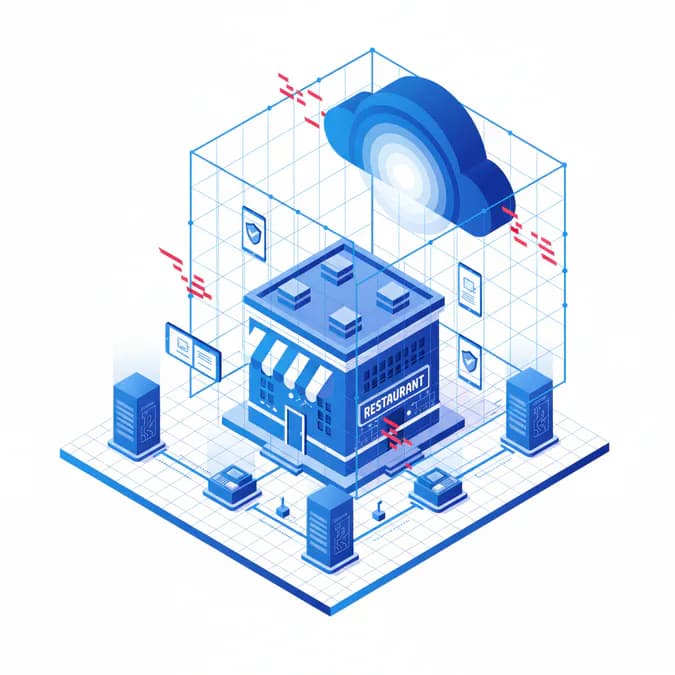
Understanding Automated Pipelines

The food industry is undergoing a significant transformation, driven by technological advancements that enhance efficiency and quality. One of the most promising innovations is the implementation of automated pipelines. These systems are revolutionizing the way food is processed, stored, and delivered, ensuring that consumers receive fresher products while reducing waste and costs.
The Role of Automation in Food Supply Chains
In recent years, the food supply chain has faced numerous challenges, including labor shortages, rising costs, and increasing consumer demand for fresh and high-quality products. Automated pipelines address these issues by:
- Enhancing Efficiency: Automated systems can operate continuously, reducing the time required for food processing and distribution.
- Reducing Waste: By optimizing the flow of products, automated pipelines minimize spoilage and ensure that food reaches consumers in peak condition.
- Improving Safety: Automation reduces the risk of contamination by limiting human contact with food products during processing.
- Lowering Costs: With reduced labor needs and increased efficiency, companies can lower operational costs, which can be passed on to consumers.
Case Studies: Success Stories in Automation
Several companies have successfully implemented automated pipeline systems, showcasing the potential benefits of this technology in the food industry.
1. Fresh Produce Distribution
A leading fresh produce distributor recently adopted an automated pipeline system to streamline its operations. By integrating conveyor belts and robotic sorting technology, the company reduced the time it took to process orders by 40%. This efficiency not only improved customer satisfaction but also reduced waste by ensuring that produce was delivered quickly and in optimal condition.
2. Meat Processing Innovations
In the meat processing sector, automation has played a crucial role in enhancing safety and efficiency. A major meat processing plant implemented automated pipelines to transport meat from the slaughterhouse to the processing area. This system minimized human contact, significantly reducing the risk of contamination and ensuring compliance with health regulations.
3. Dairy Production
Automated pipelines are also making waves in dairy production. A prominent dairy company utilized automated systems to transport milk from farms to processing facilities. This innovation not only improved the speed of delivery but also maintained the quality of the milk, resulting in fresher products for consumers.
Challenges and Considerations
While the benefits of automated pipelines are clear, there are challenges that companies must consider when implementing these systems:
- Initial Investment: The cost of installing automated systems can be significant, which may deter some companies from making the switch.
- Training Requirements: Employees will need training to operate and maintain automated systems, which can take time and resources.
- Maintenance and Upkeep: Automated systems require regular maintenance to ensure they operate efficiently, adding to ongoing operational costs.
The Future of Food Supply with Automation
The future of the food industry is undoubtedly leaning towards automation. As technology continues to advance, we can expect to see even more sophisticated automated pipeline systems that enhance efficiency and quality. Innovations such as artificial intelligence and machine learning will likely play a significant role in optimizing these systems, allowing for real-time adjustments based on demand and supply fluctuations.
Consumer Benefits
For consumers, the rise of automated pipelines means access to fresher, safer, and more affordable food products. As companies adopt these technologies, we can expect to see a shift in how food is produced and distributed, ultimately benefiting the end consumer.
Key Takeaways
- Automated pipelines enhance efficiency and reduce waste in food supply chains.
- They improve safety by minimizing human contact with food products.
- Companies can lower operational costs, benefiting consumers with lower prices.
- Future advancements in technology will further optimize these systems.
Conclusion: Embracing the Change
As the food industry continues to evolve, embracing automation will be crucial for companies looking to stay competitive. Automated pipelines represent a significant step forward in improving the efficiency and safety of food supply chains. By investing in these technologies, businesses can not only enhance their operations but also contribute to a more sustainable and reliable food system for all.
Frequently Asked Questions
What are automated pipelines?
Automated pipelines are systems that streamline the processing, storage, and delivery of food products, reducing waste and enhancing efficiency.
How do automated pipelines improve food safety?
They minimize human contact during food processing, which reduces the risk of contamination.
What are the challenges of implementing automated pipelines?
Challenges include high initial investment costs, the need for employee training, and ongoing maintenance requirements.
Table of Contents
- Understanding Automated Pipelines
- The Role of Automation in Food Supply Chains
- Case Studies: Success Stories in Automation
- Challenges and Considerations
- The Future of Food Supply with Automation
- Consumer Benefits
- Key Takeaways
- Conclusion: Embracing the Change
- Frequently Asked Questions
Research indicates that the adoption of automated pipelines can lead to a significant reduction in operational costs and improved product quality. Industry experts note that as more companies embrace these technologies, the overall efficiency of the food supply chain will continue to improve.
To further enhance the credibility of this article, we recommend checking out resources from authoritative sources such as USDA Food Safety and Inspection Service and FDA Food Safety Modernization Act.