The culinary landscape continues to evolve at a rapid pace, and 2026 promises to bring exciting new directions to the restaurant industry. Understanding restaurant food trends is essential for both diners seeking fresh dining experiences and restaurateurs looking to stay competitive. The James Beard Foundation and industry experts have identified several key movements that are reshaping how we eat, cook, and think about food.
The Evolution of Dining Culture

Restaurant food trends in 2026 reflect broader changes in consumer preferences, technological advancement, and environmental consciousness. Unlike previous years where trends were often fleeting, today's dining movements tend to be more substantive, rooted in genuine shifts in how people value food and dining experiences.
Social media platforms like TikTok have accelerated the discovery and adoption of food trends, creating a dynamic environment where dishes can gain viral status overnight. However, the most enduring trends are those that go beyond aesthetic appeal and offer genuine culinary innovation or meaningful dining experiences.
Key Restaurant Food Trends for 2026
Sustainable and Local Sourcing
One of the most significant restaurant food trends continues to be the emphasis on sustainability and local sourcing. Restaurants are increasingly partnering with local farmers, fisheries, and producers to create menus that reflect regional ingredients and seasons. This approach not only supports local economies but also reduces the carbon footprint associated with food transportation.
Chefs are becoming more transparent about their sourcing practices, with many restaurants now featuring detailed information about where ingredients come from. This farm-to-table philosophy has evolved from a niche concept to a mainstream expectation among diners who care about environmental impact and food quality.
Fermentation and Preservation Techniques
Fermented foods and traditional preservation methods are experiencing a renaissance in fine dining establishments. Chefs are exploring ancient fermentation techniques to create complex flavors and improve digestive health. Kombucha, kimchi, miso, and other fermented ingredients are moving beyond health food stores and into upscale restaurant kitchens.
These techniques offer multiple benefits: they extend ingredient shelf life, develop deeper flavor profiles, and align with the growing consumer interest in gut health and functional foods. Restaurants are using fermentation not just as a preservation method but as a creative culinary tool that adds sophistication to dishes.
Plant-Forward and Flexitarian Dining
While vegetarian and vegan options have been available for years, 2026 sees a shift toward plant-forward cuisine that celebrates vegetables as the star rather than as a substitute for meat. High-end restaurants are dedicating significant portions of their menus to innovative vegetable-based dishes that appeal to flexitarians and omnivores alike.
This trend reflects both environmental concerns and the culinary creativity that vegetables inspire. Chefs are experimenting with different cooking methods, global flavor profiles, and unexpected ingredient combinations to create vegetable dishes that are equally satisfying and memorable as traditional protein-centered meals.
Global and Fusion Cuisines
Restaurant food trends in 2026 show increased interest in authentic global cuisines and thoughtful fusion cooking. Rather than superficial fusion concepts, chefs are creating dishes that respectfully blend culinary traditions with deep knowledge of multiple cuisines.
There's growing appreciation for lesser-known regional cuisines and cooking styles from around the world. Diners are seeking authentic experiences and are willing to explore cuisines beyond the mainstream options. This has led to increased visibility for cuisines from Southeast Asia, the Middle East, Africa, and Latin America.
Minimal Waste and Nose-to-Tail Cooking
Restaurants are embracing zero-waste and minimal-waste philosophies, utilizing every part of ingredients from root to leaf and bone to offal. This approach combines sustainability with culinary creativity, as chefs develop innovative ways to use parts of ingredients that were traditionally discarded.
Nose-to-tail cooking extends beyond meat to include whole vegetables and fruits, creating more resourceful and flavorful menus. This trend appeals to environmentally conscious diners and challenges chefs to think creatively about ingredient utilization.
Technology and Personalization
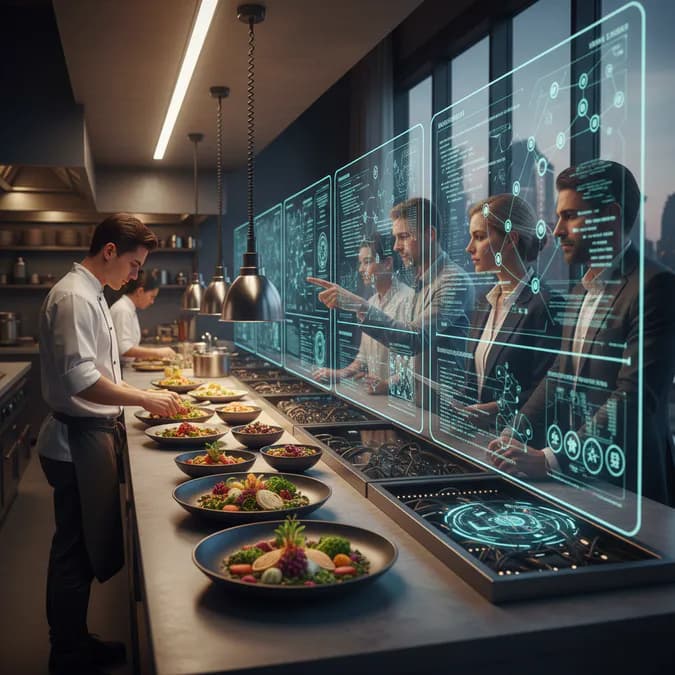
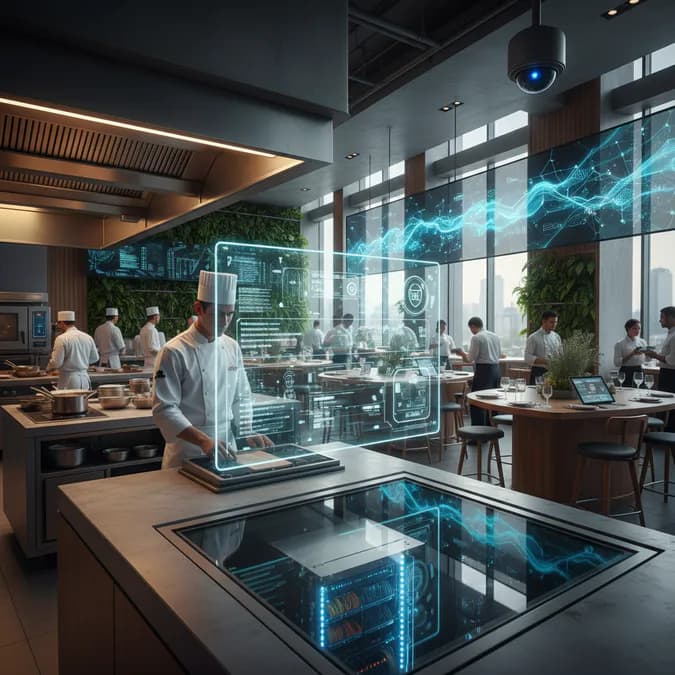
Advances in technology are enabling restaurants to offer increasingly personalized dining experiences. From AI-powered menu recommendations to customized tasting menus based on dietary preferences and flavor profiles, technology is enhancing rather than replacing human expertise.
Restaurants are using data analytics to understand customer preferences better and create targeted menu offerings. Digital platforms are also making it easier for diners to discover restaurants that match their specific interests and dietary requirements.
Wellness-Focused Dining
The intersection of food and wellness continues to influence restaurant menus. Diners are increasingly interested in understanding the nutritional content and health benefits of their meals. Restaurants are responding by offering transparent nutritional information and creating menus that support various wellness goals.
This includes options for different dietary approaches such as keto, paleo, and Mediterranean diets, as well as meals designed to support specific health outcomes. Restaurants are partnering with nutritionists and health experts to develop menus that are both delicious and nutritionally balanced.
Retro and Nostalgic Cuisine
There's a notable trend toward nostalgic and retro cuisine, with chefs reimagining classic dishes and comfort foods with modern techniques and elevated ingredients. This trend appeals to diners seeking familiar flavors with a contemporary twist.
Restaurants are exploring culinary history and reviving forgotten dishes, often with a focus on quality ingredients and refined preparation. This approach creates a bridge between tradition and innovation, offering diners both comfort and discovery.
Experiential Dining
Beyond the food itself, restaurant food trends in 2026 emphasize the overall dining experience. Restaurants are creating immersive environments that engage multiple senses and tell stories through their design, service, and presentation.
From open kitchens that showcase the cooking process to interactive dining experiences and chef's tables, restaurants are recognizing that modern diners seek memorable experiences, not just meals. This trend has elevated the importance of ambiance, service quality, and the narrative behind the food.
Navigating the Trends
For diners, staying informed about restaurant food trends means exploring new restaurants, following culinary influencers, and remaining open to unfamiliar cuisines and cooking methods. Social media platforms continue to be valuable tools for discovering trending dishes and restaurants, though it's important to look beyond viral appeal to find genuinely innovative and quality dining experiences.
For restaurateurs, understanding these trends is crucial for menu development and business strategy. However, successful restaurants don't simply chase trends; they thoughtfully integrate relevant trends into their concept while maintaining their unique identity and values.
The Future of Dining
The restaurant food trends of 2026 reflect a maturing food culture that values sustainability, authenticity, creativity, and wellness. These aren't superficial fads but meaningful shifts in how we approach food and dining.
As we move forward, the most successful restaurants will be those that balance innovation with authenticity, embrace sustainability without compromising flavor, and create dining experiences that resonate emotionally with their guests. The trends shaping 2026 suggest a future where dining is more conscious, creative, and connected to broader values of environmental stewardship and personal wellness.
Whether you're a passionate foodie seeking the next must-try restaurant or a culinary professional looking to stay ahead of the curve, understanding these restaurant food trends provides valuable insight into the direction of modern cuisine and dining culture.
Key Takeaways
- Focus on sustainability and local sourcing is paramount.
- Fermentation techniques are gaining popularity for flavor and health benefits.
- Plant-forward dining is becoming mainstream, highlighting vegetables.
- Global cuisines and thoughtful fusion are on the rise.
- Minimal waste practices are reshaping how restaurants operate.
- Technology is enhancing personalized dining experiences.
- Wellness-focused menus are increasingly in demand.
- Nostalgic cuisine is being reimagined for modern palates.
- Experiential dining is crucial for attracting modern diners.
- Staying informed about trends is essential for both diners and restaurateurs.
FAQ
What are the main restaurant food trends for 2026?
The main restaurant food trends for 2026 include sustainability, fermentation, plant-forward dining, global cuisines, minimal waste practices, technology integration, wellness-focused menus, nostalgic cuisine, and experiential dining.
How can restaurants stay competitive with these trends?
Restaurants can stay competitive by integrating relevant trends into their menus and concepts while maintaining their unique identity and values. Understanding customer preferences and being adaptable is key.
Why is sustainability important in restaurant food trends?
Sustainability is important because it reflects a growing consumer demand for environmentally responsible dining options. It supports local economies and reduces the carbon footprint associated with food transportation.
Table of Contents
- The Evolution of Dining Culture
- Key Restaurant Food Trends for 2026
- Sustainable and Local Sourcing
- Fermentation and Preservation Techniques
- Plant-Forward and Flexitarian Dining
- Global and Fusion Cuisines
- Minimal Waste and Nose-to-Tail Cooking
- Technology and Personalization
- Wellness-Focused Dining
- Retro and Nostalgic Cuisine
- Experiential Dining
- Navigating the Trends
- The Future of Dining
- Key Takeaways
- FAQ