
Table of Contents

- Understanding Food Trends 2026
- The Comfort Food Renaissance
- Health-Conscious Innovation
- Value-Driven Dining Experiences
- Integrating the Three Pillars
- Implementation Strategies for Restaurants
- The Broader Industry Context
- Key Takeaways for the Dining Industry
Understanding Food Trends 2026
The culinary landscape continues to evolve, and 2026 promises to bring significant shifts in how restaurants approach menu development, ingredient selection, and customer experience. According to the National Restaurant Association's What's Hot Culinary Forecast, three dominant themes are emerging: comfort, health, and value. These interconnected trends reflect changing consumer priorit
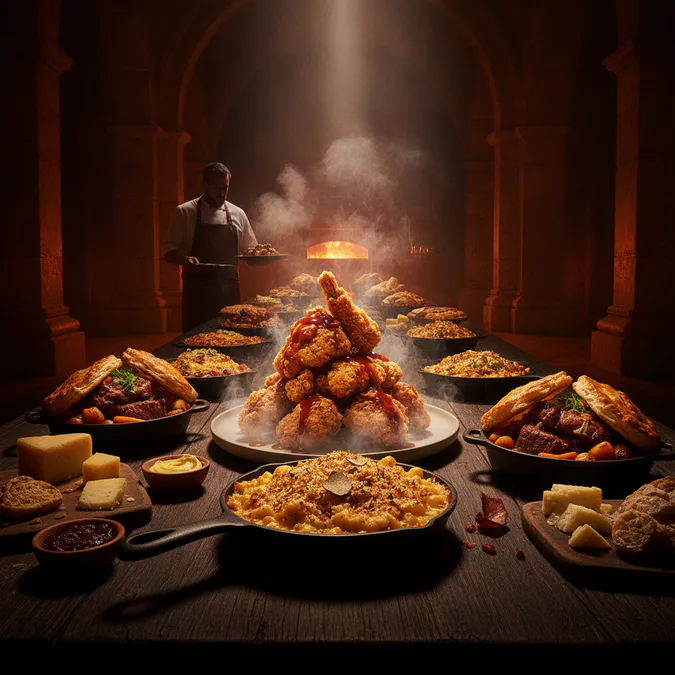
The National Restaurant Association's annual forecast serves as a barometer for the industry, identifying patterns that will influence everything from menu engineering to supply chain decisions. This year's forecast emphasizes a return to fundamentals while simultaneously embracing innovation in health-conscious and economically accessible dining.
The Comfort Food Renaissance
Comfort food has always held a special place in American dining culture, but 2026 marks a significant evolution in how chefs and restaurateurs approach this category. Rather than simple, nostalgic fare, comfort food is being reimagined with elevated techniques, premium ingredients, and thoughtful preparation methods.
Restaurants are recognizing that comfort extends beyond taste—it encompasses emotional satisfaction, familiarity with a modern twist, and the sense of being cared for through food. Chefs are deconstructing classic dishes and rebuilding them with contemporary sensibilities:
- Traditional pot roasts appear alongside unexpected flavor combinations
- Beloved casseroles incorporate global spices and sustainable proteins
- Mac and cheese evolves with artisanal cheeses and heirloom pasta varieties
- Classic soups feature refined broths and premium garnishes
- Familiar desserts showcase innovative techniques and quality ingredients
This trend reflects consumer psychology in uncertain times. When economic pressures mount and daily life feels chaotic, diners seek the reassurance of familiar flavors. However, today's consumers also demand quality and innovation. They want comfort food that doesn't feel like a step backward but rather a thoughtful evolution of beloved classics.
Restaurants capitalizing on this trend are finding success by balancing nostalgia with sophistication. Menu items that evoke childhood memories while showcasing culinary expertise create powerful emotional connections. This approach appeals to multiple demographics—from younger diners seeking Instagram-worthy presentations of comfort classics to older customers appreciating refined versions of traditional favorites.
Health-Conscious Innovation
Health and wellness continue to influence dining decisions, but the approach is becoming more nuanced and integrated rather than relegated to separate "healthy" sections of menus. Food trends 2026 emphasize functional nutrition, plant-forward options, and transparency about sourcing and preparation methods.
Consumers increasingly understand that health encompasses mental wellbeing, digestive health, and sustainable energy levels—not just calorie counts. This awareness is driving demand for:
- Whole-grain options and ancient grains
- Fermented foods rich in probiotics
- Legume-based proteins and plant-forward dishes
- Nutrient-dense vegetables as menu centerpieces
- Functional ingredients with specific health benefits
Plant-forward dining continues its upward trajectory, but with important distinctions from previous years. Rather than positioning vegetarian and vegan options as alternatives or substitutes, restaurants are celebrating plant-based dishes as primary attractions. Vegetable-centric plates are no longer afterthoughts but centerpieces of culinary creativity.
Transparency represents another crucial component of health-conscious trends. Diners want to understand ingredient sourcing, preparation methods, and nutritional information. Restaurants providing detailed information about local sourcing, sustainable fishing practices, and organic certification are building trust and loyalty. Menu descriptions that educate rather than simply describe are becoming standard practice.
Functional ingredients are gaining prominence—foods specifically chosen for their health benefits beyond basic nutrition. Adaptogenic herbs, collagen-rich broths, and antioxidant-packed superfoods are appearing in mainstream dishes rather than exclusively in wellness-focused establishments. This democratization of functional nutrition makes health-conscious eating accessible and appealing to broader audiences.
Value-Driven Dining Experiences
Economic considerations significantly influence dining decisions, and 2026 reflects a consumer focus on value without sacrificing quality. This doesn't mean cheap food—it means thoughtful pricing that reflects genuine value and transparent cost-benefit relationships.
Restaurants are responding by offering flexible pricing models, portion customization, and strategic menu engineering that maximizes value perception:
- Prix fixe menus at various price points
- Family-style dining options for group experiences
- Shareable plates encouraging social dining
- Lunch specials and early-bird offerings
- Customizable portions for different appetites and budgets
Value also encompasses experience quality relative to price. Restaurants investing in exceptional service, comfortable ambiance, and consistent food quality are justifying premium pricing. Conversely, establishments offering casual experiences with strong food quality at moderate prices are thriving. The key is alignment—customers accept higher prices when they perceive corresponding value in all aspects of the experience.
Supply chain efficiency directly impacts value delivery. Restaurants reducing food waste, optimizing inventory management, and building direct relationships with suppliers can offer better pricing without compromising quality. These operational improvements translate to customer benefits through competitive pricing and consistent product quality.
Integrating the Three Pillars
The most successful restaurants in 2026 will be those recognizing that comfort, health, and value aren't separate categories but interconnected elements of a cohesive dining philosophy. A dish can be comforting, nutritious, and reasonably priced. A restaurant can prioritize customer wellbeing while maintaining profitability. These elements reinforce rather than contradict each other.
Menu development reflecting this integration requires thoughtful planning. Chefs must understand nutritional profiles while maintaining flavor and satisfaction. Operators must balance ingredient quality with cost management. Marketing must communicate value without appearing cheap or compromising brand positioning.
Implementation Strategies for Restaurants
Restaurants seeking to capitalize on food trends 2026 should consider several strategic approaches:
Menu Audit and Development: Audit current menus for alignment with comfort, health, and value principles. Identify opportunities to elevate comfort classics with quality ingredients and refined techniques. Introduce plant-forward options as primary attractions rather than alternatives.
Supply Chain Transparency: Invest in supply chain transparency by building relationships with local suppliers and understanding ingredient sourcing. Communicate this information to customers—transparency builds trust and justifies premium pricing for quality products.
Flexible Pricing Strategies: Implement flexible pricing and portion strategies. Offer options allowing customers to customize spending levels. Develop prix fixe menus, family-style offerings, and shareable plates that provide value while maintaining profitability.
Staff Training and Communication: Train staff to communicate menu philosophy effectively. Servers should understand and articulate how dishes reflect comfort, health, and value principles. This education transforms menu descriptions into compelling narratives that enhance customer satisfaction and justify pricing.
Operational Efficiency: Leverage technology for operational efficiency through inventory management systems, demand forecasting, and supply chain optimization. These improvements reduce waste and improve profitability, enabling better pricing for customers.
The Broader Industry Context
These trends don't emerge in isolation—they reflect broader economic, social, and environmental considerations. Labor market dynamics influence pricing and service models. Supply chain challenges drive local sourcing initiatives. Environmental consciousness shapes ingredient selection and waste management practices. Social media influences presentation and menu communication strategies.
Restaurants successfully navigating 2026 will be those understanding these interconnections and developing integrated strategies rather than treating trends as isolated phenomena.
Key Takeaways for the Dining Industry
For consumers, these trends translate to improved dining experiences. Restaurants prioritizing comfort, health, and value are creating menus that satisfy emotional needs while supporting physical wellbeing and financial responsibility. Diners can expect more transparency about sourcing and preparation. Menu options will increasingly accommodate various dietary preferences and health goals. Pricing will reflect genuine value rather than arbitrary markups.
The dining landscape of 2026 promises restaurants that understand and respect customer priorities while maintaining culinary excellence and operational sustainability. These three pillars—comfort, health, and value—represent not constraints but opportunities for innovation and differentiation in an increasingly competitive market. By embracing these interconnected trends, restaurants can build loyal customer bases, improve operational efficiency, and contribute positively to their communities' health and wellbeing.