Organizing your refrigerator into specific zones is more than just a tidying hack—it's a science-backed approach that leverages the natural temperature gradients and microclimates within your appliance. By dedicating areas for proteins, produce, dairy, and ready-to-eat items, you can significantly improve food safety, extend shelf life, and streamline your weekly meal preparation. This comprehensive guide explains how refrigerator zone organization works and why it matters for your kitchen.
Understanding Refrigerator Microclimates
Your refrigerator isn't uniformly cold. Instead, it creates distinct microclimates based on temperature gradients, humidity levels, and airflow patterns. The bottom shelves maintain the coldest temperatures around 33-35°F, while top shelves stay warmer at 36-38°F. Crisper drawers control humidity independently, and the door experiences the most temperature fluctuation. This natural variation isn't a flaw
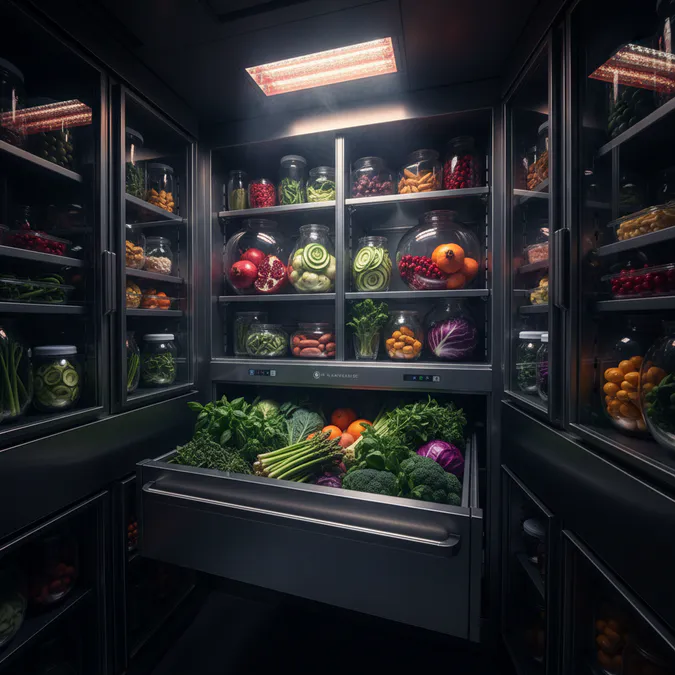
According to kitchen organization specialists, "Organizing your fridge by stations—dedicated, functionally optimized zones based on temperature stability, humidity control, airflow patterns, and microbial risk—is the single most effective, evidence-based kitchen hack for reducing spoilage, preventing cross-contamination, and accelerating daily meal prep." This approach aligns with FDA Food Code and ASHRAE standards, making it both practical and scientifically sound.
The science behind refrigerator zone organization is straightforward: different foods have different optimal storage conditions. Raw proteins need the coldest temperatures to inhibit bacterial growth. Produce requires specific humidity levels to prevent wilting or decay. Ready-to-eat foods need stable temperatures without fluctuation. By understanding these requirements and matching them to your fridge's natural zones, you create an environment where food stays fresher longer and safety risks diminish.
The Five Essential Fridge Zones
Bottom Shelves: Raw Proteins
The coldest zone in your refrigerator, averaging 33.4°F on the bottom rear shelf, is ideal for raw meats and fish. This temperature range inhibits bacterial growth like Salmonella while containing any drips or spills. Professional cleaning services emphasize that "Raw meats and fish should always be stored on the bottom shelves. This is the coldest part of the fridge, and it prevents cross-contamination from any drips or spills onto other foods." Keeping proteins on the lowest shelf ensures they don't contaminate ready-to-eat items above them.
When storing raw proteins, use dedicated containers or trays to catch any liquid that might escape. This extra precaution, combined with the bottom shelf location, creates a fail-safe system for preventing cross-contamination. The extreme cold at this level also extends the safe storage window for proteins, giving you more flexibility in meal planning.
Middle Shelves: Dairy Products
Middle shelves provide consistent temperatures ideal for dairy items like milk, cheese, and yogurt. These shelves experience minimal temperature fluctuations, maintaining the stable environment dairy products require. The middle zone keeps dairy separate from raw proteins while remaining accessible for daily use.
Dairy products are sensitive to temperature changes, which is why the stable middle shelf environment is crucial. Milk stored in fluctuating temperatures can sour faster, while cheese may develop unwanted mold. By dedicating the middle zone to dairy, you ensure these products maintain their quality throughout their shelf life.
Top Shelves: Ready-to-Eat Foods
Top shelves, with temperatures between 36-38°F and minimal temperature swings of just ±0.6°F over 24 hours, are perfect for leftovers, yogurt, and other ready-to-eat items. This stable environment prevents temperature abuse while keeping prepared foods away from raw ingredients. The consistency of top-shelf temperatures makes this zone ideal for items that won't be cooked again.
Ready-to-eat foods are particularly vulnerable to bacterial growth if exposed to temperature fluctuations. The stable top shelf environment protects these items from the temperature swings that occur when the fridge door opens and closes. This zone also keeps prepared foods visually separated from raw ingredients, reducing the risk of accidental cross-contamination during meal preparation.
Crisper Drawers: Produce
Crisper drawers offer humidity control that regular shelves cannot provide. High-humidity drawers preserve leafy greens and vegetables, while low-humidity drawers keep fruits fresh longer by reducing moisture that promotes decay. This dual-zone approach within a single drawer maximizes produce shelf life significantly.
Understanding the difference between high and low humidity storage is key to maximizing produce longevity. Leafy greens, broccoli, and other vegetables thrive in high-humidity environments that prevent wilting. Fruits like apples, berries, and stone fruits prefer lower humidity to prevent mold and decay. Most modern refrigerators have adjustable crisper drawers—check your manual to learn how to set humidity levels appropriately.
Door: Condiments and Non-Perishables
The refrigerator door, being the warmest zone with the most temperature fluctuation, is suitable only for condiments, juices, and items that don't require consistent cold temperatures. Never store milk, eggs, or other highly perishable items on the door, as temperature swings can accelerate spoilage.
The door is the warmest part of your fridge because it's exposed to room temperature every time it opens. This makes it perfect for items like ketchup, mustard, hot sauce, and other condiments that are formulated to tolerate temperature variation. However, the door is the worst place for items that need consistent cold storage, making proper door organization essential for food safety.
How Zone Organization Reduces Food Waste
Food waste represents both an environmental and financial burden for households. Studies show that refrigerator zone organization reduces food waste by up to 37%. This dramatic reduction occurs through several mechanisms that work together to keep food fresher longer and make it easier to use items before they spoil.
Prevention of Cross-Contamination
First, zoning prevents cross-contamination. When raw proteins are isolated on the bottom shelf, they cannot drip onto vegetables or ready-to-eat foods. This containment reduces the need to discard contaminated items and extends the safe storage life of all foods. Cross-contamination is one of the leading causes of food waste because contaminated items must be discarded for safety reasons, even if they're otherwise perfectly good.
Improved Inventory Management
Second, logical organization makes inventory management easier. When you know exactly where items are stored and why, you're more likely to use them before they spoil. You can quickly identify what needs to be used first and plan meals accordingly. This visibility into your food inventory is crucial for reducing waste—you can't use items you don't remember having.
Extended Shelf Life Through Optimal Storage
Third, proper temperature management extends shelf life. Foods stored in their optimal temperature zones last longer, giving you more time to use them before they deteriorate. Produce in humidity-controlled crisper drawers stays fresh days longer than produce on regular shelves. Proteins stored at the coldest temperatures maintain quality longer than those stored in warmer zones. This extended shelf life directly translates to less waste.
Reduced Decision Fatigue
Zone organization also reduces decision fatigue around food choices. When your fridge is organized logically, you can quickly assess what you have available and plan meals accordingly. This reduces the likelihood of buying duplicate items or forgetting about ingredients you already have, both of which contribute to food waste.
Implementing Zones in Your Kitchen
Creating fridge zones requires minimal effort and no special equipment. Start by assessing your current refrigerator layout. Identify which shelves are coldest by using a refrigerator thermometer—the bottom rear shelf is typically coldest, while top shelves are warmer. Most hardware stores sell inexpensive refrigerator thermometers that can help you map your fridge's temperature zones accurately.
Step-by-Step Implementation
- Measure temperatures: Use a thermometer to identify the coldest and warmest zones in your specific refrigerator model. Different fridges have slightly different temperature distributions.
- Reorganize items: Move raw proteins to the bottom shelf, dairy to the middle, ready-to-eat foods to the top, produce to crisper drawers, and condiments to the door.
- Adjust crisper humidity: If your crisper drawers have humidity controls, set high humidity for vegetables and low humidity for fruits.
- Use containers: Consider using clear containers or bins to keep zones organized and make inventory visible.
- Label zones: Add simple labels to help household members understand and maintain the system.
- Establish routines: Check your fridge weekly to ensure items are in the correct zones and nothing has been forgotten.
Organization Tools and Strategies
Consider using clear containers or labels to maintain zone organization. Clear containers make it easy to see what you have without opening the fridge, reducing the time the door stays open and maintaining temperature stability. Labels help household members understand the system and maintain it consistently.
You don't need expensive organizational products to implement zoning successfully. Simple clear plastic containers from any grocery store work perfectly. The key is maintaining the system consistently so that everyone in your household knows where items belong and why.
Real-World Impact on Meal Prep
Beyond food safety and waste reduction, fridge zone organization dramatically improves meal preparation efficiency. Research shows that optimized fridge zones reduce meal prep time by 22 minutes weekly. This time savings accumulates to nearly two hours per month—time you can dedicate to other kitchen tasks or activities.
Time Savings Breakdown
The efficiency gains come from several sources. First, ingredients are logically organized, so you spend less time searching for items. Instead of rummaging through your fridge looking for that package of chicken or the vegetables you bought, you know exactly where to find them. Second, you can quickly assess what proteins, vegetables, and dairy you have available, making meal planning faster. Third, the organized system makes it easier to identify ingredients nearing expiration, helping you plan meals around items that need to be used soon.
Weeknight Meal Preparation Benefits
For busy families, this 22-minute weekly savings translates to more efficient weeknight meal preparation. You can spend less time organizing and more time cooking. The system also reduces decision fatigue—you know exactly where to find each ingredient category without having to think about it. When you come home tired from work, having a well-organized fridge means you can quickly identify what you have and prepare dinner without frustration.
Meal Planning Advantages
Zone organization also improves meal planning. When you can quickly see what proteins, produce, and dairy you have available, you can plan meals more strategically. You're more likely to use ingredients before they spoil, and you can make better decisions about what to buy at the grocery store. This combination of improved visibility and logical organization creates a virtuous cycle where less food is wasted and meals are prepared more efficiently.
Long-Term Sustainability
The benefits of zone organization compound over time. As you become more familiar with your fridge's temperature zones and your household's eating patterns, you'll develop intuitive knowledge about how long different foods last in different zones. This knowledge helps you make better purchasing decisions and plan meals more effectively. Over months and years, the cumulative effect of reduced waste and improved efficiency becomes substantial.
The Bottom Line
Refrigerator zone organization represents a simple yet powerful approach to improving your kitchen's efficiency and food safety. By aligning your storage practices with how refrigerators actually function—creating distinct temperature zones and microclimates—you can reduce food waste by up to 37%, cut meal prep time by 22 minutes weekly, and prevent cross-contamination that could compromise your family's health.
The system requires no special equipment, no expensive organizational products, and minimal time to implement. Start today by identifying your fridge's natural temperature zones and reorganizing your items accordingly. The combination of improved food safety, reduced waste, and faster meal preparation makes this one of the most effective kitchen hacks available. Your refrigerator is already creating these zones—you're simply learning to work with them rather than against them.
Whether you're motivated by reducing food waste, saving time on meal preparation, or improving food safety for your family, refrigerator zone organization delivers measurable results. The 37% reduction in food waste alone justifies the minimal effort required to implement this system. Add in the 22 minutes of weekly time savings and the peace of mind that comes from proper food storage, and you have a kitchen optimization strategy that pays dividends every single day.
Frequently Asked Questions
What is refrigerator zone organization?
Refrigerator zone organization is a method of organizing your fridge into specific areas based on the optimal storage conditions for different types of food, such as raw proteins, dairy, and produce.
How does it help reduce food waste?
By organizing your fridge into zones, you can prevent cross-contamination, improve inventory management, and extend the shelf life of your food, all of which contribute to reducing food waste.
What are the essential zones in a refrigerator?
The essential zones in a refrigerator include the bottom shelves for raw proteins, middle shelves for dairy products, top shelves for ready-to-eat foods, crisper drawers for produce, and the door for condiments and non-perishables.