
Table of Contents
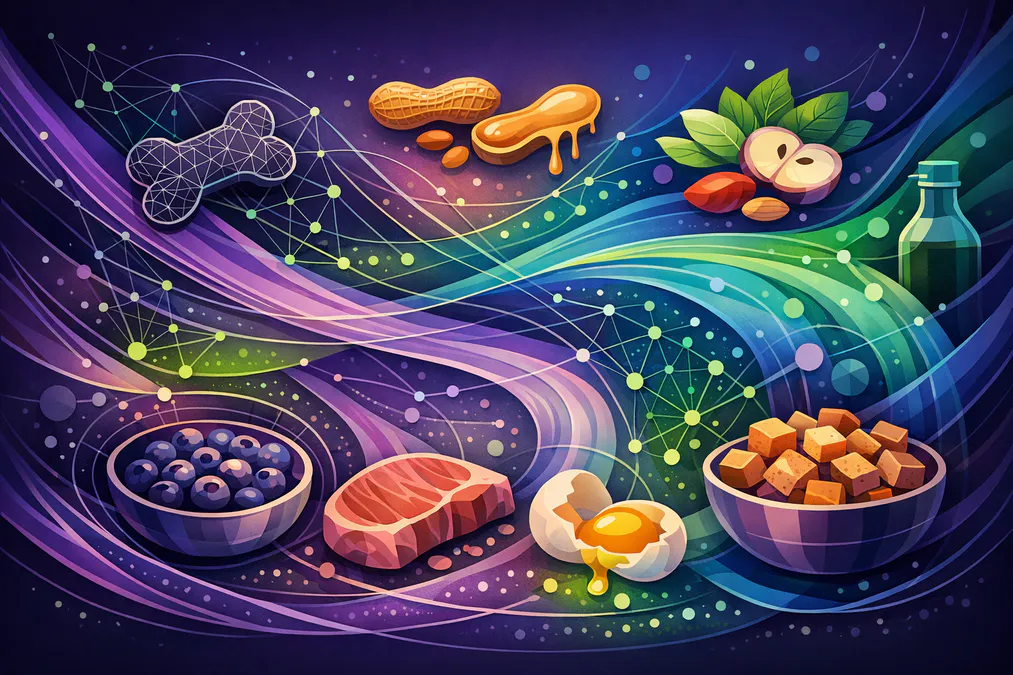
- Understanding the Risks of Popular Dog Treats
- The Hidden Dangers in Popular Dog Treats
- Rawhide Chews: A Common Culprit
- Cooked Bones and Splintering Hazards
- Nut-Based Treats and Pancreatitis
- Xylitol: The Silent Killer in Dog Treats
- Problematic Chew Toys and Long-Lasting Treats
- What Veterinarians Recommend Instead
- Reading Labels and Making Informed Choices
- Recognizing Signs of Treat-Related Emergencies
- The Cost of Emergency Surgery
- Key Takeaways for Pet Owners
- FAQ
Understanding the Risks of Popular Dog Treats
Pet owners often believe they're making healthy choices when selecting treats and chews for their dogs, but veterinarians are increasingly concerned about dangerous dog treats that appear safe on store shelves yet regularly send pets to emergency surgery. Understanding which dog treats pose genuine health risks is crucial for every responsible pet owner.
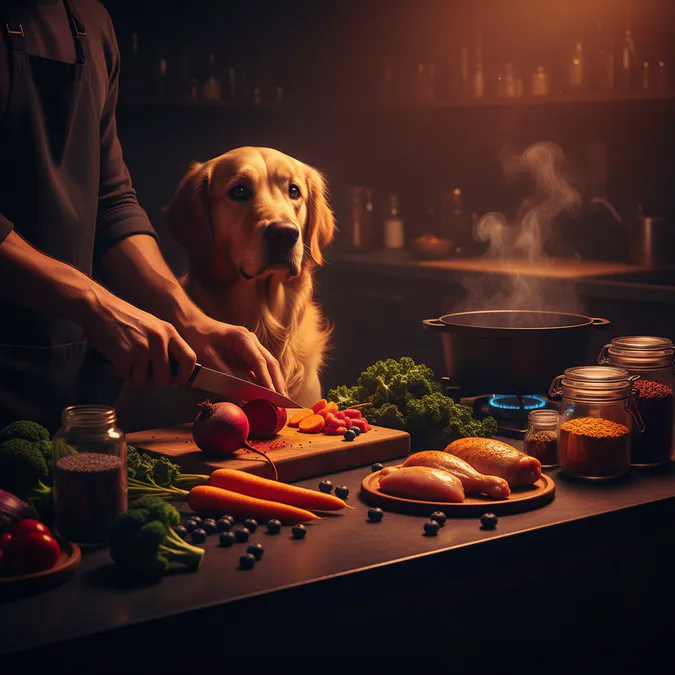 he-hidden-dangers-in-popular-dog-treats">The Hidden Dangers in Popular Dog Treats
Many dog treats marketed as natural, healthy, or beneficial actually contain ingredients and designs that can cause serious internal injuries. Veterinarians across the country report a troubling trend of dogs requiring emergency surgical intervention after consuming items their owners thought were completely safe.
Rawhide Chews: A Common Culprit
One of the most problematic categories involves rawhide chews. Despite their popularity and long history as dog treats, rawhide poses significant risks. These chews can expand in a dog's stomach, become lodged in the digestive tract, or splinter into sharp pieces that perforate the intestines. Dogs that swallow large chunks of rawhide may require emergency surgery to remove blockages, and the procedure can cost thousands of dollars while putting the pet's life at risk.
Cooked Bones and Splintering Hazards
Another concerning category includes cooked bones, particularly chicken and turkey bones. Many pet owners assume that bones are natural dog food and therefore safe, but cooked bones become brittle and splinter easily. These fragments can cause severe internal bleeding, intestinal perforations, and blockages. Veterinarians consistently warn against giving dogs any cooked bones, regardless of the source.
Nut-Based Treats and Pancreatitis
Nut-based treats present another hidden danger. Macadamia nuts are toxic to dogs and can cause weakness, tremors, and hyperthermia. Additionally, many nut-based treats contain high fat content that can trigger pancreatitis, a painful and potentially life-threatening condition. Even treats labeled as dog-safe may contain trace amounts of problematic ingredients.
Xylitol: The Silent Killer in Dog Treats
Perhaps the most insidious threat comes from xylitol, an artificial sweetener increasingly found in dog treats, peanut butter products, and other pet snacks. Xylitol causes a rapid release of insulin in dogs, leading to severe hypoglycemia (low blood sugar) within 30 minutes of consumption. Symptoms include lethargy, loss of coordination, seizures, and potentially death. Additionally, xylitol can cause liver failure in dogs, even in small quantities.
The danger of xylitol lies in its invisibility. Pet owners may not realize that a treat contains this sweetener, and the ingredient list on packaging isn't always clear. Some peanut butter brands marketed for dogs contain xylitol, making them extremely dangerous despite appearing to be a healthy, protein-rich option.
Problematic Chew Toys and Long-Lasting Treats
Veterinarians also express concern about certain types of chew toys and long-lasting treats designed to keep dogs occupied. Nylon chews, while marketed as durable and safe, can break into pieces that dogs swallow, creating blockages. Similarly, some rubber toys and chews can be torn apart and ingested, causing intestinal obstruction.
Long-lasting treats like certain brands of bully sticks, if not properly sourced and processed, can splinter or become lodged in the throat or esophagus. Dogs can choke on these items, or pieces can create blockages further down the digestive tract.
What Veterinarians Recommend Instead
Veterinarians suggest several safer alternatives for treating and entertaining dogs. Fresh vegetables like carrots, green beans, and sweet potatoes provide nutritional value with minimal risk. These foods are low in calories and can satisfy a dog's need to chew.
Safe Treat Options
- Fresh vegetables: carrots, green beans, sweet potatoes
- Fresh fruits: apples (without seeds), bananas, blueberries
- Plain, unsalted peanut butter without xylitol
- Frozen treats made from plain yogurt or pumpkin puree
- Bone broth-based frozen treats
- Supervised natural rubber toys and rope toys
Foods to Avoid
- Grapes and raisins
- Avocados
- Citrus fruits
- Chocolate
- Onions and garlic
- Any products containing xylitol
Reading Labels and Making Informed Choices
Pet owners should develop the habit of carefully reading treat labels, just as they would for human food. Key things to look for include:
- Absence of xylitol in the ingredient list
- Low fat content, particularly for dogs prone to pancreatitis
- No artificial colors or preservatives
- Appropriate size for the dog's mouth and swallowing ability
- Clear sourcing and manufacturing information
- Avoidance of ingredients known to be toxic to dogs
When in doubt, pet owners should consult their veterinarian before introducing new treats. Vets can provide personalized recommendations based on a dog's age, health status, and dietary needs.
Recognizing Signs of Treat-Related Emergencies
Pet owners should be aware of warning signs that indicate a dog may have experienced an injury from a treat or chew:
- Persistent vomiting or retching
- Loss of appetite
- Abdominal pain or distension
- Constipation or inability to defecate
- Lethargy or unusual behavior
- Difficulty swallowing
- Excessive drooling
- Choking or gagging
Any of these symptoms warrant immediate veterinary attention. Blockages and perforations can be life-threatening if not treated promptly.
The Cost of Emergency Surgery
Emergency surgery for treat-related injuries can cost between $2,000 and $5,000 or more, depending on the severity of the condition and the dog's overall health. Beyond the financial burden, surgery carries anesthesia risks and requires a lengthy recovery period. Prevention through careful treat selection is far more cost-effective and safer than emergency intervention.
Key Takeaways for Pet Owners
The treats and chews that seem safest often pose the greatest risks to dogs. Rawhide, cooked bones, certain nuts, and products containing xylitol are among the most dangerous items commonly found in pet stores. Emergency surgery resulting from treat-related injuries is increasingly common and can be prevented through informed decision-making.
By understanding which treats pose risks, reading labels carefully, consulting with veterinarians, and choosing safer alternatives, pet owners can protect their dogs from unnecessary harm. Fresh vegetables, fruits, and homemade treats offer safer options that still provide enjoyment and enrichment. Ultimately, the safest treats are those whose ingredients are known, whose sourcing is transparent, and whose safety has been verified by veterinary professionals.
Pet owners who take time to educate themselves about treat safety demonstrate genuine care for their dogs' wellbeing and can avoid the trauma and expense of emergency veterinary surgery.
FAQ
What are the most dangerous dog treats?
The most dangerous dog treats include rawhide chews, cooked bones, nut-based treats, and those containing xylitol.
How can I choose safe dog treats?
To choose safe dog treats, read labels carefully, avoid harmful ingredients, and consult your veterinarian for recommendations.
What should I do if my dog shows signs of distress after eating a treat?
If your dog shows signs of distress such as vomiting or lethargy, seek immediate veterinary attention.