The culinary landscape is ever-evolving, and predicting the future of food is a fascinating exercise. As we approach 2026, several key food trends are poised to reshape menus, dining experiences, and consumer expectations. Authenticity is the driving force behind these trends, influencing everything from the ingredients we choose to the way we present and consume our meals. Let's delve into the exciting developments that will define the future of food.
Table of Contents
- Hyper-Regional Cuisines Take Center Stage
- Nostalgia-Driven Dishes: A Comforting Embrace of the Past
- The Rise of Plant-Based Innovation
- Sustainable and Ethical Sourcing: A Growing Priority
- Technology's Impact on the Dining Experience
- What This Means for Food Trends
- Key Takeaways
- The Bottom Line
- Frequently Asked Questions (FAQ)
Hyper-Regional Cuisines Take Center Stage
One of the most significant trends is the rise of hyper-regional cuisines. Forget broad generalizations about Italian or Chinese food; consumers are increasingly seeking out specific dishes and culinary traditions from distinct regions within those countries. This trend reflects a desire for deeper cultural immersion and a more nuanced understanding of global flavors.
Exploring the Micro-Cultures of Food
- Italian Example: Instead of simply offering "pasta," restaurants will highlight dishes like cacio e pepe from Rome or pesto Genovese from Liguria, emphasizing the unique ingredients and preparation methods of each region.
- Chinese Example: Beyond Cantonese or Sichuan cuisine, expect to see more restaurants specializing in Hunanese spicy dishes or the delicate flavors of Jiangsu cuisine.
- American Example: Regional American cuisine will also flourish, with a focus on dishes like Lowcountry cuisine from South Carolina or Sonoran-style Mexican food from Arizona.
This trend requires chefs to become culinary anthropologists, researching and understanding the history and traditions behind each dish. It also demands a commitment to sourcing authentic ingredients, which can be a challenge but ultimately enhances the dining experience.
Nostalgia-Driven Dishes: A Comforting Embrace of the Past
In an increasingly complex and uncertain world, many consumers are seeking comfort in familiar flavors and dishes from their childhoods. Nostalgia-driven food is experiencing a major resurgence, with chefs putting modern twists on classic recipes.
Reimagining Childhood Favorites
- Elevated Mac and Cheese: Forget the boxed stuff. Expect to see gourmet mac and cheese with artisanal cheeses, truffle oil, and creative toppings.
- Gourmet Grilled Cheese: Simple grilled cheese sandwiches are being transformed with artisanal breads, gourmet cheeses, and unexpected fillings like fig jam or caramelized onions.
- Updated TV Dinners: Chefs are creating upscale versions of classic TV dinners, featuring high-quality ingredients and creative flavor combinations.
This trend taps into our emotional connection with food, providing a sense of comfort and familiarity. It also allows chefs to showcase their creativity by reimagining classic dishes in innovative ways.
The Rise of Plant-Based Innovation
The plant-based movement continues to gain momentum, driven by concerns about health, sustainability, and animal welfare. By 2026, plant-based options will be even more sophisticated and widely available.
Beyond Meat Alternatives
- Innovative Plant-Based Proteins: Expect to see new and exciting plant-based proteins made from ingredients like mushrooms, seaweed, and jackfruit.
- Plant-Based Seafood: As concerns about overfishing grow, plant-based seafood alternatives will become increasingly popular, offering sustainable and delicious options.
- Vegan Cheese Revolution: The quality and variety of vegan cheeses are rapidly improving, offering a wide range of flavors and textures.
This trend is not just for vegans and vegetarians; many consumers are incorporating more plant-based meals into their diets for health and environmental reasons. The key to success in this area is to create plant-based dishes that are both delicious and nutritious.
Sustainable and Ethical Sourcing: A Growing Priority
Consumers are increasingly concerned about the environmental and social impact of their food choices. Sustainable and ethical sourcing will be a major priority for restaurants and food producers in 2026.
Transparency and Traceability
- Farm-to-Table 2.0: Restaurants will go beyond simply sourcing local ingredients; they will provide detailed information about the farms and producers they work with.
- Sustainable Seafood: Consumers will demand sustainably sourced seafood, certified by organizations like the Marine Stewardship Council.
- Ethical Labor Practices: Restaurants will be held accountable for ensuring fair labor practices throughout their supply chains.
This trend requires a commitment to transparency and traceability, allowing consumers to make informed choices about the food they eat. It also requires collaboration between restaurants, producers, and suppliers to create a more sustainable and ethical food system.
Technology's Impact on the Dining Experience
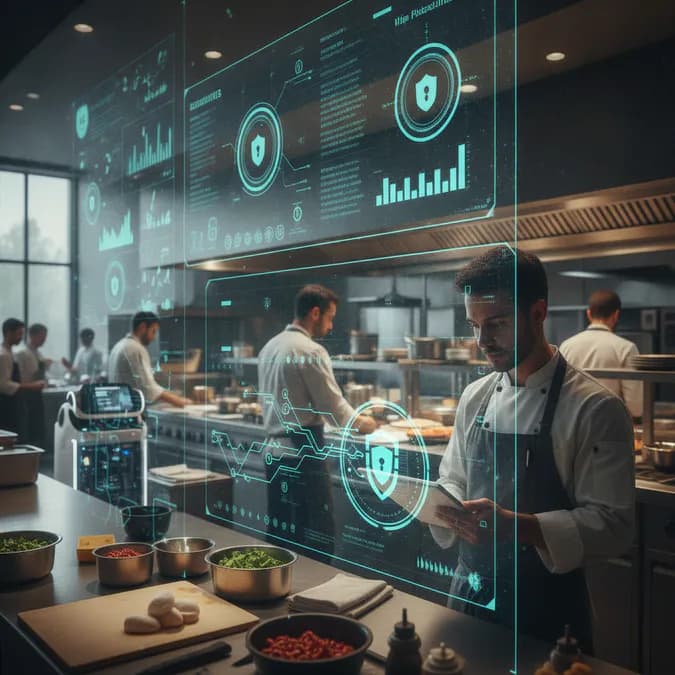
Technology will continue to play a significant role in shaping the dining experience in 2026.
Streamlined Ordering and Payment
- Contactless Ordering: QR codes and mobile apps will become even more prevalent, allowing customers to order and pay from their phones.
- Personalized Recommendations: AI-powered systems will provide personalized menu recommendations based on individual preferences and dietary restrictions.
- Robotics in the Kitchen: Robots will assist with repetitive tasks in the kitchen, freeing up chefs to focus on more creative endeavors.
This trend aims to enhance efficiency and convenience, making the dining experience more seamless and personalized. However, it's important to strike a balance between technology and human interaction, ensuring that the dining experience remains enjoyable and engaging.
What This Means for Food Trends
The food trends of 2026 point towards a future where authenticity, sustainability, and technology converge to create a more personalized, ethical, and engaging dining experience. From hyper-regional cuisines to nostalgia-driven dishes, consumers are seeking out unique and meaningful culinary experiences. Restaurants and food producers that embrace these trends will be well-positioned for success in the years to come.
Key Takeaways
- Hyper-regional cuisines are becoming increasingly popular, emphasizing local traditions.
- Nostalgia-driven dishes are making a comeback, offering comfort and creativity.
- The plant-based movement is expanding with innovative options for all consumers.
- Sustainability and ethical sourcing are priorities for modern dining.
- Technology is enhancing the dining experience while maintaining human connection.
The Bottom Line
As we look ahead to 2026, it's clear that the food industry is undergoing a significant transformation. By understanding and adapting to these emerging trends, businesses can create innovative and sustainable food experiences that resonate with consumers and contribute to a more vibrant and responsible food system.
Frequently Asked Questions (FAQ)
What are the top food trends for 2026?
The top food trends for 2026 include hyper-regional cuisines, nostalgia-driven dishes, plant-based innovations, sustainable sourcing, and technology-enhanced dining experiences.
How is technology influencing food trends?
Technology is streamlining ordering and payment processes, providing personalized recommendations, and even assisting in kitchen tasks, improving overall dining efficiency.
Why are hyper-regional cuisines gaining popularity?
Consumers are increasingly interested in authentic culinary experiences that reflect the unique traditions and flavors of specific regions, leading to a rise in hyper-regional cuisines.
What role does sustainability play in food trends?
Sustainability is a major concern for consumers, prompting restaurants and food producers to prioritize ethical sourcing and transparent supply chains.
How can I incorporate these food trends into my diet?
To embrace these trends, consider exploring local cuisines, trying plant-based meals, and supporting restaurants that prioritize sustainability and ethical practices.