The restaurant industry continues to evolve at a rapid pace, and staying ahead of emerging food trends is essential for business growth and customer satisfaction. As we move through 2026, hospitality businesses must understand and adapt to the major food trends that are reshaping how consumers dine, what they expect from restaurants, and how establishments can differentiate themselves in an increasingly competitive market.
Industry experts have identified 12 major food trends that restaurants should prioritize to remain relevant and drive sustainable growth. These trends reflect broader shifts in consumer preferences, technological advancement, and societal values that are fundamentally changing the restaurant landscape.
Understanding Food Trends for Restaurant Success

Food trends are more than just temporary fads. They represent genuine shifts in consumer behavior, dietary preferences, and expectations about dining experiences. Restaurants that recognize and implement these trends early gain a competitive advantage, attract new customers, and build loyalty among existing patrons.
The importance of monitoring food trends cannot be overstated. Restaurants that fail to adapt risk losing relevance and market share to competitors who embrace innovation. Whether it's incorporating new ingredients, adopting sustainable practices, or leveraging technology, staying current with industry developments is crucial for long-term success.
Key Food Trends Shaping 2026
Sustainability and Local Sourcing
One of the most significant food trends in 2026 is the continued emphasis on sustainability and local sourcing. Consumers increasingly want to know where their food comes from and how it impacts the environment. Restaurants that partner with local farmers, reduce food waste, and implement sustainable practices appeal to environmentally consc

This trend extends beyond sourcing to include sustainable packaging, energy-efficient operations, and waste reduction programs. Restaurants that can communicate their sustainability efforts effectively build stronger connections with customers who share these values.
Plant-Based and Flexitarian Options
The demand for plant-based dining continues to grow, but the trend is evolving. Rather than purely vegetarian or vegan restaurants, the flexitarian approach—offering plant-based options alongside traditional proteins—has become mainstream. Restaurants that provide diverse, delicious plant-based choices attract a broader customer base.
Innovative plant-based proteins, creative vegetable-forward dishes, and plant-based desserts are no longer niche offerings. They're expected components of modern restaurant menus that cater to various dietary preferences and ethical considerations.
Technology Integration in Dining
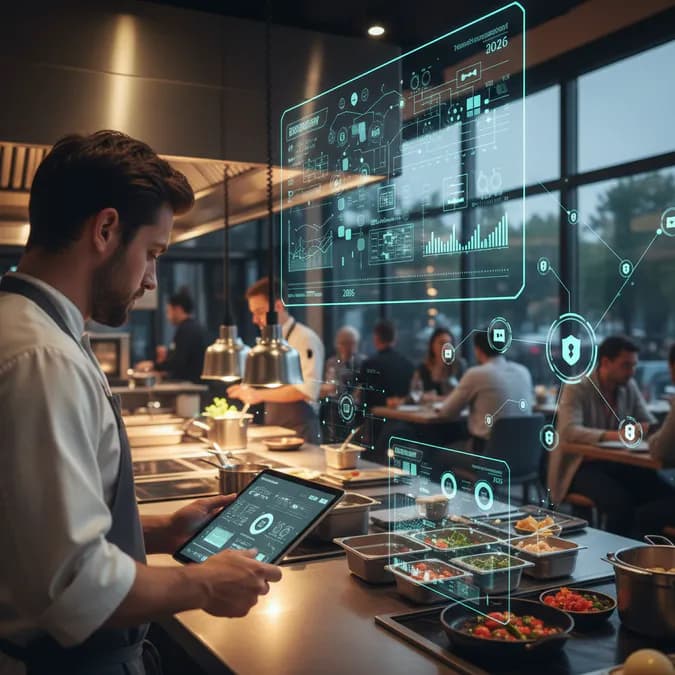
Technology continues to transform the restaurant experience. From AI-powered reservation systems and personalized menu recommendations to contactless payments and kitchen automation, technology integration is reshaping operations and customer interactions.
Restaurants that embrace technology can improve efficiency, reduce wait times, and create more personalized dining experiences. Digital menus, online ordering systems, and data analytics help restaurants understand customer preferences and optimize operations.
Authenticity and Global Cuisines
Consumers are increasingly interested in authentic, globally-inspired cuisines. Rather than diluted versions of international dishes, diners seek genuine flavors and traditional preparation methods. Restaurants that offer authentic global cuisine, often led by chefs from those culinary traditions, attract adventurous eaters.
This trend reflects growing cultural diversity and consumers' desire to explore different food cultures. Restaurants that celebrate culinary authenticity while respecting cultural traditions build meaningful connections with customers.
Health-Conscious Dining
Health and wellness remain central to dining decisions. Consumers want transparency about ingredients, nutritional information, and preparation methods. Restaurants that offer nutrient-dense options, clearly labeled allergen information, and health-focused menu items meet growing demand.
This includes offerings for specific dietary needs—keto, paleo, gluten-free, and other specialized diets—as well as functional foods that provide health benefits beyond basic nutrition.
Experiential Dining
Dining has become about more than just food. Consumers seek memorable experiences, whether through interactive cooking demonstrations, chef's tables, themed dining events, or immersive restaurant environments. Restaurants that create engaging, Instagram-worthy experiences generate word-of-mouth marketing and customer loyalty.
Experiential dining transforms meals into events, encouraging customers to share their experiences on social media and return for new offerings.
Mini and Micro Formats
The rise of smaller restaurant formats—ghost kitchens, food halls, and compact dining spaces—reflects changing consumer preferences and economic realities. These formats allow restaurants to operate with lower overhead while reaching customers through delivery and takeout services.
Mini and micro formats also enable chefs to experiment with concepts and menus more flexibly, fostering innovation in the restaurant industry.
Cultural Fusion and Innovative Flavor Combinations
While authenticity remains important, creative fusion cuisine that respectfully combines culinary traditions continues to gain popularity. Chefs are experimenting with unexpected flavor combinations and cross-cultural techniques that create novel dining experiences.
This trend celebrates culinary creativity while introducing diners to new taste profiles and cooking methods.
Transparency and Supply Chain Awareness
Consumers want to understand the journey of their food from farm to table. Restaurants that provide transparency about sourcing, production methods, and supply chain practices build trust and differentiate themselves from competitors.
This includes information about fair trade practices, animal welfare standards, and ethical sourcing of ingredients.
Community-Focused Dining
Restaurants are increasingly positioning themselves as community gathering spaces. This trend emphasizes local engagement, supporting local causes, and creating inclusive dining environments that welcome diverse communities.
Community-focused restaurants often host events, partner with local organizations, and use their platforms to address social issues, building deeper connections with customers.
Seasonality and Menu Evolution
Restaurants that embrace seasonal menus showcase fresh, local ingredients at their peak and create reasons for customers to return regularly. Seasonal menus also align with sustainability goals and allow chefs to work with what's naturally available.
Regular menu evolution keeps dining experiences fresh and encourages repeat visits from customers curious about new offerings.
Personalization and Data-Driven Menus
Using customer data and preferences, restaurants can personalize dining experiences and menu recommendations. This might include customized tasting menus, personalized wine pairings, or menu suggestions based on previous orders.
Personalization demonstrates attentiveness to customer preferences and creates more satisfying dining experiences.
Implementing Food Trends for Restaurant Growth
Successfully adopting food trends requires strategic planning and thoughtful implementation. Restaurants should:
- Conduct market research to understand which trends resonate with their target customers and align with their brand identity. Not every trend is appropriate for every restaurant.
- Train staff to understand and communicate new menu items, sourcing practices, and dining experiences to customers effectively.
- Invest in quality ingredients and preparation methods that support trend implementation. Cutting corners undermines the value of adopting trends.
- Market new offerings through social media, email campaigns, and in-restaurant promotions to ensure customers are aware of changes.
- Gather customer feedback to refine offerings and ensure trends are resonating with your audience.
What This Means for Your Restaurant
The food trends of 2026 offer opportunities for restaurants to attract new customers, build loyalty, and differentiate themselves in competitive markets. Success requires understanding which trends align with your restaurant's identity and customer base, then implementing them authentically.
Restaurants that embrace sustainability, offer diverse menu options, leverage technology, and create memorable experiences position themselves for growth. By staying attuned to evolving consumer preferences and industry developments, hospitality businesses can thrive in 2026 and beyond.
The restaurants that will succeed are those that view trends not as temporary fads but as reflections of genuine shifts in how people want to eat, dine, and connect with food and community. By thoughtfully adopting relevant food trends, restaurants can create more satisfying experiences for customers while building sustainable, growing businesses.
Key Takeaways
- Understanding and adapting to food trends is crucial for restaurant success.
- Sustainability, local sourcing, and health-conscious options are key trends for 2026.
- Technology integration enhances customer experiences and operational efficiency.
- Authenticity and community engagement foster deeper connections with diners.
- Regularly evolving menus and personalized dining experiences keep customers coming back.
Frequently Asked Questions
What are the top food trends for restaurants in 2026?
The top food trends include sustainability, plant-based options, technology integration, authenticity in global cuisines, and community-focused dining.
How can restaurants implement food trends effectively?
Restaurants can implement food trends by conducting market research, training staff, investing in quality ingredients, and marketing new offerings effectively.
Why is sustainability important in the restaurant industry?
Sustainability is important as consumers increasingly prefer environmentally friendly practices and transparency about food sourcing.