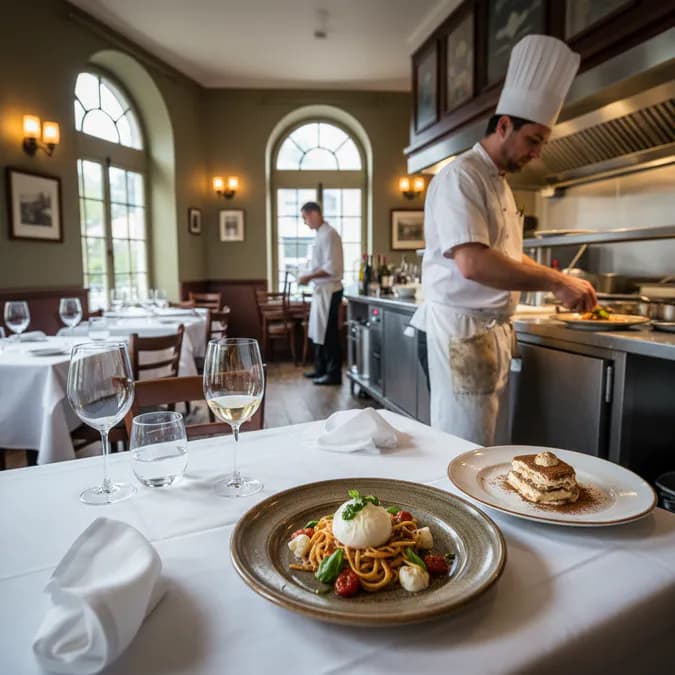
Buca di Roma closes Vancouver's beloved Arbutus Ridge Italian restaurant, signalling a pivotal moment in the neighbourhood's culinary evolution. The permanent closure of this longstanding establishment reflects broader challenges facing Canada's restaurant industry, while the arrival of Homi Sushi demonstrates how urban dining landscapes continuously adapt to changing consumer preferences and market dynamics.
Buca di Roma Closes Vancouver: The Full Story
Buca di Roma, a longstanding Italian restaurant in Vancouver's Arbutus Ridge neighbourhood, has permanently closed its doors after serving the community for years. The restaurant's operators announced the closure with a poignant statement: "The time has come for us to say goodbye." This closure marks the end of an era for the neighbourhood, which had relied on the establishment as a destination for authentic I
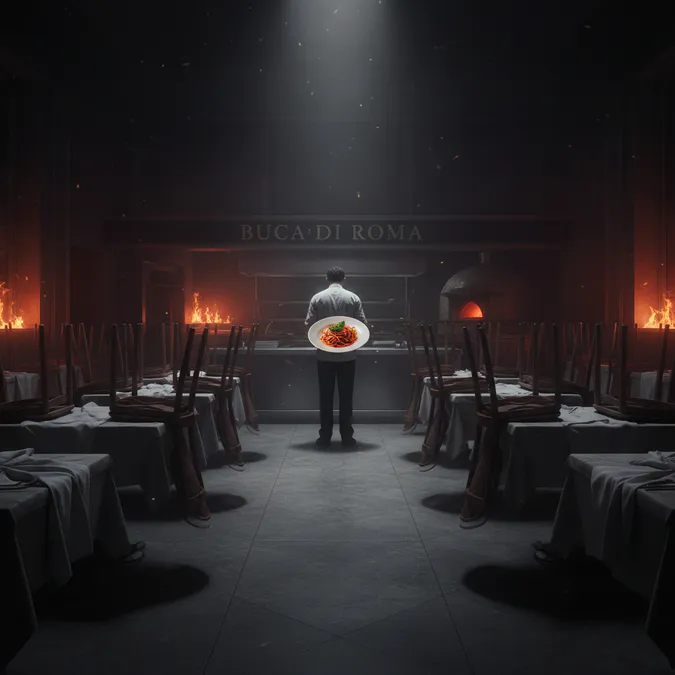
The restaurant had carved out a meaningful place in the local community, serving residents and visitors seeking traditional Italian dining experiences. The Arbutus Ridge neighbourhood, known for its diverse and dynamic food scene, will now see this space transition to a new concept. The closure of Buca di Roma reflects the difficult decisions that restaurant operators must make in an increasingly challenging business environment where operational pressures continue to mount.
For many patrons, Buca di Roma represented more than just a place to eat—it was a community gathering space where relationships were built over shared meals and memorable dining experiences. The restaurant's departure leaves a noticeable gap in the neighbourhood's Italian dining options, though it also opens opportunities for new culinary concepts to emerge.
Understanding the Restaurant Industry Crisis
Buca di Roma's closure is not an isolated incident but rather part of a larger pattern affecting restaurants across Canada. The restaurant industry has faced unprecedented difficulties in recent years, with significant economic pressures reshaping the sector. According to Restaurants Canada, the sector experienced record-breaking bankruptcies, with challenges persisting well into 2024. The organization has documented ongoing pressures that continue to affect operators across the country, from independent establishments to larger chains.
Key challenges facing the Canadian restaurant industry include:
- Rising operational costs, including rent, utilities, and supplies that have increased dramatically
- Labour shortages and increased wage pressures making staffing difficult
- Changing consumer behaviours and dining preferences shifting toward different cuisines
- Increased competition from new concepts and third-party delivery services
- Post-pandemic recovery complications affecting cash flow and customer confidence
- Supply chain disruptions impacting food costs and availability
- Rising insurance and regulatory compliance expenses
Statistics Canada has tracked significant changes in the foodservice sector, revealing troubling trends for restaurant operators. The industry continues to experience notable fluctuations in employment and establishment numbers. Data from unified data analysis platforms shows that restaurant closures have impacted communities across Canada, with operators citing increased costs and operational difficulties as primary factors in their decisions to close.
Vancouver has seen multiple notable restaurant closures throughout 2024, as documented by local food media. These closures reflect the competitive nature of the restaurant business and the specific pressures facing independent operators in major metropolitan areas. The city's high real estate costs, competitive labour market, and evolving consumer preferences create a particularly challenging environment for established restaurants.
Why Buca di Roma Closes Vancouver Locations
When Buca di Roma closes Vancouver's Arbutus Ridge location, it represents a convergence of industry-wide challenges and local market dynamics. The restaurant faced the same pressures affecting countless establishments across Canada: rising rent costs in Vancouver's competitive real estate market, increased labour expenses, and changing dining preferences among the neighbourhood's residents.
The decision to close reflects not a failure of the restaurant itself, but rather the structural challenges of operating an independent Italian restaurant in today's market. Many patrons appreciated the authentic cuisine and welcoming atmosphere, yet the economics of running such an establishment have become increasingly difficult. Rent increases, staff wage requirements, and food cost inflation have squeezed profit margins to unsustainable levels.
Vancouver's restaurant landscape has become increasingly competitive, with new concepts constantly emerging and established players struggling to adapt. The closure of Buca di Roma demonstrates how even well-regarded establishments can find themselves unable to compete when faced with mounting operational pressures and shifting consumer preferences.
The restaurant industry's challenges are not unique to Vancouver but are particularly acute in major metropolitan areas where real estate costs are highest. Independent operators like those behind Buca di Roma often lack the financial resources of larger chains to weather extended periods of reduced profitability or to invest in modernization and marketing.
The Transition to Homi Sushi
The space formerly occupied by Buca di Roma will soon welcome Homi Sushi, a new Japanese restaurant concept. This transition reflects changing consumer preferences and demographic shifts in the neighbourhood. Japanese cuisine, particularly sushi, has become increasingly popular across Vancouver's diverse dining scene, with sushi restaurants consistently ranking among the city's most popular dining destinations.
The arrival of Homi Sushi signals the neighbourhood's continued appeal to new restaurant operators and investors. Rather than remaining vacant, the location will continue to serve the community's dining needs with a fresh culinary perspective. This cycle of closure and renewal is typical in vibrant urban neighbourhoods where consumer preferences and market dynamics constantly shift.
Homi Sushi represents a calculated investment decision by its operators, suggesting they believe the location and neighbourhood demographics support a Japanese restaurant concept. The transition from Italian to Japanese cuisine reflects broader trends in Vancouver's food scene, where Asian cuisines have gained significant market share over the past decade.
The new restaurant will likely bring different staffing needs, supply chain relationships, and operational approaches compared to Buca di Roma. This represents an opportunity for the neighbourhood to experience new culinary traditions while the location itself remains an active part of the community's dining ecosystem.
Vancouver's Shifting Dining Preferences
The Arbutus Ridge neighbourhood has long been known for its diverse and dynamic food scene. The transition from Buca di Roma to Homi Sushi exemplifies how Vancouver's restaurant landscape continues to evolve. Established cuisines make way for emerging culinary trends, reflecting both demographic changes and shifting consumer interests.
Vancouver's population has become increasingly diverse, with significant Asian communities influencing dining preferences across the city. Sushi and Japanese cuisine have moved from niche offerings to mainstream dining choices, with younger demographics particularly favouring these options. This demographic shift explains why new investors see opportunity in Japanese restaurant concepts while traditional Italian establishments struggle.
Consumer preferences have also shifted toward casual dining, delivery options, and cuisine variety. The rise of food delivery platforms has changed how people dine, with many preferring to order from home rather than visit restaurants. This shift has particularly affected full-service establishments like Buca di Roma, which relied on dine-in revenue.
Vancouver's food community has demonstrated resilience and adaptability throughout these changes. While closures like Buca di Roma's are bittersweet, they often make room for innovation and new dining experiences. The city's reputation as a culinary destination depends on this constant evolution, where new concepts emerge while honouring the legacy of establishments that came before.
Impact on the Arbutus Ridge Community
For regular patrons of Buca di Roma, the closure represents the end of an era. The restaurant had built relationships with its community over years of service, and its departure will be felt by those who frequented the establishment. Many customers developed personal connections with staff and owners, making the closure more than just a business transaction—it's a loss of a community gathering space.
The story of Buca di Roma's closure is emblematic of broader changes in Canada's restaurant landscape. The challenges facing the industry are real and significant, affecting operators, employees, and communities across the country. Supporting local dining establishments and understanding the complexities of restaurant operations becomes increasingly important as the sector navigates these difficulties.
The closure also affects employees who worked at Buca di Roma, requiring them to find new employment in a competitive job market. Restaurant staff often develop strong connections with their workplaces and regular customers, making closures personally difficult beyond just the loss of employment.
As Homi Sushi prepares to open in the Arbutus Ridge location, the neighbourhood will experience a shift in its culinary offerings. This transition demonstrates how Vancouver's food scene remains vibrant and dynamic, continuously adapting to serve its diverse population while remembering the establishments that contributed to its rich culinary heritage.
Frequently Asked Questions
Why did Buca di Roma close Vancouver's Arbutus Ridge location?
Buca di Roma closes Vancouver due to a combination of industry-wide challenges and local market pressures. Rising operational costs, including rent and labour expenses, combined with changing consumer dining preferences, made it difficult for the independent Italian restaurant to remain profitable. These pressures are affecting restaurants across Canada, with many operators facing similar decisions.
What restaurant is replacing Buca di Roma in Vancouver?
Homi Sushi, a Japanese restaurant concept, will occupy the space formerly held by Buca di Roma in Arbutus Ridge. This transition reflects the growing popularity of Japanese cuisine in Vancouver and changing demographic preferences in the neighbourhood.
When did Buca di Roma close Vancouver's location?
Buca di Roma closes Vancouver's Arbutus Ridge location in 2024, marking another significant restaurant closure in the city. The exact closure date was announced by the restaurant's operators with their farewell statement.
How many restaurants have closed in Vancouver in 2024?
Multiple notable restaurants have closed in Vancouver throughout 2024, reflecting broader industry challenges. While exact numbers vary by source, the trend demonstrates significant pressure on independent restaurant operators across the city.
What does Buca di Roma's closure mean for Vancouver's restaurant scene?
Buca di Roma closes Vancouver as part of a larger pattern of restaurant consolidation and evolution. The closure indicates that even well-established, well-regarded restaurants struggle in the current economic environment. It also demonstrates how Vancouver's dining landscape continues to shift toward different cuisines and dining formats.
Are other Italian restaurants closing in Vancouver?
While Buca di Roma closes Vancouver, other Italian restaurants continue to operate in the city. However, the broader restaurant industry faces significant challenges that affect establishments across all cuisines. The closure of any long-standing restaurant reflects the difficult operating environment rather than problems specific to Italian cuisine.
Key Takeaways
- Buca di Roma closes Vancouver's Arbutus Ridge location after years of serving the community, reflecting broader industry challenges affecting restaurants across Canada
- The closure is part of a larger pattern driven by rising operational costs, labour shortages, and changing consumer preferences toward different cuisines
- Homi Sushi will replace Buca di Roma, demonstrating how Vancouver's dining landscape continues to evolve toward Asian cuisines
- The restaurant industry faces unprecedented challenges including labour shortages, rising rent costs, and post-pandemic recovery complications
- Vancouver's diverse population and shifting demographics are driving changes in dining preferences toward Japanese and other Asian cuisines
- Supporting local restaurants and understanding industry challenges becomes increasingly important as the sector navigates difficulties
- The closure represents both an end to a community institution and an opportunity for new culinary concepts to emerge in the neighbourhood