
Restaurant Industry 2026 Outlook
The restaurant industry enters 2026 with cautious optimism, projecting $1.55 trillion in total sales and the addition of 100,000 new jobs. This growth is fueled by strong pent-up consumer demand to dine out, particularly among higher-income groups and younger generations. However, operators face persistent challenges including inflation, rising costs, and unev
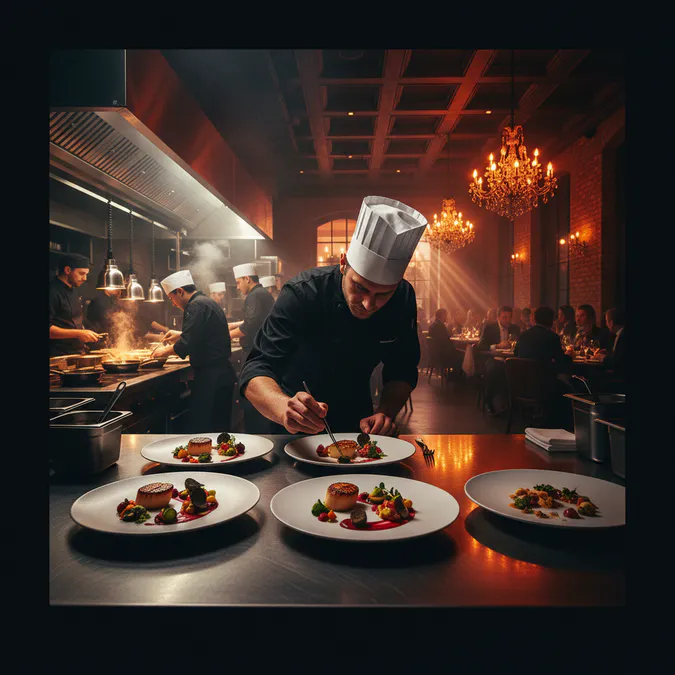
According to the National Restaurant Association's State of the Industry report, the industry is expected to reach 15.8 million total employment in 2026, representing significant job creation opportunities. Despite these positive projections, the landscape remains complex, with 42% of operators reporting unprofitability in 2025 and over 60% noting traffic declines. The industry is responding with strategic investments in technology, workforce development, and innovative dining experiences to maintain competitiveness.
Key Drivers of Growth: Increased Sales and Pent-Up Demand
The primary engine driving the restaurant industry's optimism in 2026 is strong consumer demand for dining experiences. This demand is particularly pronounced among higher-income households and younger demographics including Gen Z and millennials, who show a strong preference for off-premises dining options like delivery and takeout.
Operators remain cautiously optimistic about their prospects. As the National Restaurant Association notes, "Operators remain cautiously optimistic, even as rising costs and softer traffic persist. Many operators expect sales to hold steady or improve this year." This sentiment reflects a measured confidence that despite headwinds, the fundamental desire to dine out remains robust among consumers.
The pent-up demand reflects a broader consumer behavior shift toward experiences and dining out, even as economic pressures mount. However, this demand is not evenly distributed across income levels. While higher-income consumers continue to spend freely on dining experiences, lower- and middle-income households are tightening budgets and prioritizing value-oriented options. This K-shaped economy dynamic creates distinct market segments with different spending patterns and preferences.
Consumer Behavior Patterns
The divergence in consumer spending reflects broader economic inequality. Affluent diners continue to frequent restaurants regularly, often trading up to premium establishments and experiences. Meanwhile, budget-conscious consumers are becoming more selective, visiting restaurants less frequently and choosing lower-priced options when they do dine out. This bifurcation creates challenges for mid-market restaurants that struggle to compete with both upscale and budget-friendly competitors.
Projected Sales and Job Growth: $1.55 Trillion and 100,000 New Jobs
The National Restaurant Association projects that restaurant and foodservice sales will reach $1.55 trillion in 2026, representing the industry's continued significance to the U.S. economy. However, it's important to note that this growth is modest in real terms. The association forecasts real (inflation-adjusted) sales growth of just 1.3%, which means much of the nominal growth reflects price increases rather than volume expansion.
Alicia Kelso, Executive Editor at Nation's Restaurant News, explains the significance of these projections: "The association forecasts real sales growth of 1.3%, which would equate to $1.55 trillion in total restaurant and foodservice sales." This distinction between nominal and real growth is crucial for understanding the industry's actual performance, as it reveals that operators are relying on price increases to maintain revenue growth rather than attracting significantly more customers.
Employment Expansion and Job Creation
The employment outlook is more encouraging. The industry is expected to add 100,000 new jobs in 2026, bringing total restaurant and foodservice employment to 15.8 million. This job creation represents significant opportunities for workers across various skill levels, from entry-level positions to management and culinary roles. Nearly 75% of operators plan to hire in 2026, indicating widespread expansion efforts across the sector.
However, hiring remains challenging. Operators report difficulty filling skilled positions, particularly for managers and chefs. This talent gap suggests that while job opportunities abound, the industry faces ongoing workforce development challenges that could impact service quality and operational efficiency. The mismatch between available positions and qualified candidates creates both challenges and opportunities for job seekers with relevant skills and experience.
Challenges and Opportunities for the Restaurant Industry
Despite the positive sales and employment projections, the restaurant industry faces significant headwinds that temper optimism. Persistent inflation and rising operational costs continue to squeeze profit margins. Labor costs, food commodity prices, and rent all remain elevated, forcing operators to make difficult decisions about pricing, menu offerings, and staffing levels.
Profitability and Cost Pressures
Traffic patterns remain uneven across the industry. While some segments and establishments thrive, others struggle to maintain customer volume. This inconsistency reflects the broader economic divide, where affluent consumers maintain dining frequency while budget-conscious households reduce visits or trade down to lower-priced options.
The profitability crisis is particularly acute. With 42% of operators reporting unprofitability in 2025, many establishments are operating at razor-thin margins or losses. This situation is unsustainable long-term and may lead to consolidation, closures, or strategic pivots among struggling operators. The challenge intensifies when considering that over 60% of operators report traffic declines, suggesting that price increases alone cannot sustain profitability without volume growth.
Strategic Responses and Competitive Advantages
Technology investments represent a key opportunity for operators to improve efficiency and customer experience. Automation, digital ordering systems, and data analytics enable restaurants to reduce labor costs, improve order accuracy, and better understand customer preferences. These investments require capital but can yield significant returns through improved operational efficiency and customer satisfaction.
Value-oriented offerings are another critical opportunity. As consumers become more price-conscious, restaurants that can deliver quality experiences at accessible price points gain competitive advantage. This doesn't necessarily mean competing on price alone, but rather offering compelling value propositions that justify spending in an inflationary environment. Menu engineering, portion optimization, and strategic pricing become essential skills for operators navigating this landscape.
Emerging Trends and Growth Areas
Certain segments of the restaurant industry are experiencing outsize growth that offers hope amid broader challenges. These emerging trends provide roadmaps for operators seeking to differentiate themselves and capture growing market segments.
Late-Night Dining Growth
Late-night dining in limited-service restaurants (LSRs) has climbed more than 10% annually since 2021, significantly outpacing growth in other dayparts. This trend reflects changing consumer behavior, with younger demographics and shift workers driving demand for convenient, accessible dining options during non-traditional hours. Operators who extend hours and optimize their late-night menus can tap into this growing segment.
Beverage Innovation and Premium Offerings
Beverage innovation is another bright spot. Consumer demand for caffeinated, photogenic drinks is driving quick-service restaurant (QSR) innovation. Premium beverages, specialty coffee drinks, and Instagram-worthy creations are attracting customers and driving incremental sales. This trend demonstrates how restaurants can differentiate themselves and create shareable experiences that generate organic marketing through social media. Beverages also offer higher profit margins than food, making them strategically important for improving overall profitability.
Off-Premises Dining Expansion
Off-premises dining continues to be a significant growth area, particularly among younger consumers. Delivery, takeout, and ghost kitchens represent important revenue streams that complement traditional dine-in service. Operators who effectively integrate these channels into their operations gain access to broader customer bases and revenue diversification. The flexibility of off-premises models also allows operators to test new concepts and menus with lower risk.
Workforce Development and Hiring Strategy
With 100,000 new jobs expected and nearly 75% of operators planning to hire, workforce development becomes critical. The industry must address skill gaps, particularly for management and culinary positions. Training programs, competitive compensation, and improved working conditions are essential to attract and retain talent.
Attracting and Retaining Talent
Operators are increasingly investing in employee development and retention strategies. This includes offering competitive wages, benefits, career advancement opportunities, and positive workplace cultures. These investments are not merely altruistic but strategic, as employee retention reduces costly turnover and maintains service quality. High turnover in the restaurant industry has traditionally been a significant cost driver, making retention investments economically rational.
The tight labor market also creates opportunities for workers. Job seekers in the restaurant industry have leverage to negotiate better compensation and working conditions. This dynamic could lead to improved industry standards and more attractive career paths in foodservice. For workers considering restaurant careers, 2026 presents favorable conditions for securing positions with better pay and benefits.
Skills Development and Career Pathways
Creating clear career pathways from entry-level positions to management and culinary roles helps operators develop internal talent pipelines. Apprenticeship programs, mentorship opportunities, and continuing education support employee growth and reduce reliance on external hiring. These programs also improve employee engagement and loyalty, creating positive workplace cultures that attract quality candidates.
The Impact of Technology on Restaurant Operations
Technology is reshaping how restaurants operate and serve customers. Point-of-sale systems, inventory management software, and customer relationship management tools provide operators with real-time data to optimize operations. Digital ordering platforms, whether proprietary apps or third-party services, expand customer reach and improve convenience.
Automation and Operational Efficiency
Automation technologies, from robotic kitchen equipment to automated payment systems, help restaurants reduce labor costs and improve consistency. However, automation also raises questions about job displacement and the human element of hospitality. Successful operators balance technological efficiency with the personal touch that customers value. The goal is augmenting human workers rather than replacing them entirely, using technology to handle routine tasks while preserving the interpersonal elements that define hospitality.
Data-Driven Decision Making
Data analytics enable restaurants to understand customer preferences, optimize menu offerings, and personalize marketing. This data-driven approach helps operators make informed decisions about pricing, promotions, and product development. By analyzing sales patterns, customer feedback, and operational metrics, operators can identify opportunities for improvement and respond quickly to market changes. This analytical capability becomes increasingly important in an environment where margins are tight and competition is fierce.
The Bottom Line
The restaurant industry's 2026 outlook reflects a complex reality: strong consumer demand and significant job creation opportunities coexist with persistent cost pressures, uneven traffic patterns, and profitability challenges. The projected $1.55 trillion in sales and 100,000 new jobs represent meaningful growth, but the modest 1.3% real growth rate reveals that much of this expansion comes from price increases rather than volume growth.
Operators who succeed in 2026 will be those who effectively navigate these contradictions. This means investing in technology and efficiency improvements, developing compelling value propositions for price-conscious consumers, and building strong teams through competitive compensation and positive workplace cultures. It also means understanding local market dynamics and tailoring strategies accordingly.
For consumers, the restaurant industry's challenges and opportunities translate into a diverse marketplace with options ranging from budget-friendly quick-service establishments to premium fine dining. The industry's focus on innovation, particularly in beverages and late-night dining, promises interesting new experiences. However, consumers should also expect continued price increases as operators manage cost pressures.
The restaurant industry's cautious optimism is justified by strong fundamentals: consumer demand for dining experiences remains robust, employment opportunities are expanding, and technological innovations offer efficiency gains. However, the challenges are real and significant. The coming year will test operators' resilience, creativity, and adaptability as they navigate an economic landscape marked by inflation, uneven demand, and competitive intensity. Those who embrace innovation, prioritize customer value, and invest in their workforce will be best positioned to thrive in 2026 and beyond.
Frequently Asked Questions
What are the key growth drivers for the restaurant industry in 2026?
The key growth drivers include strong consumer demand for dining experiences, particularly among higher-income households and younger demographics, as well as the expansion of off-premises dining options.
How many jobs are expected to be created in the restaurant industry by 2026?
The restaurant industry is projected to create 100,000 new jobs by 2026, bringing total employment to approximately 15.8 million.
What challenges does the restaurant industry face in 2026?
Challenges include persistent inflation, rising operational costs, uneven traffic patterns, and a significant percentage of operators reporting unprofitability.
How is technology impacting the restaurant industry?
Technology is reshaping restaurant operations through automation, digital ordering systems, and data analytics, which help improve efficiency and customer experience.