
The Essential Sushi Utensils Behind Tokyo's Culinary Mastery

The world of sushi extends far beyond the ingredients and techniques that home cooks might recognize. Behind every perfectly crafted piece of nigiri and every precisely rolled maki lies a collection of specialized sushi utensils that have been refined over centuries of Japanese culinary tradition. Hyejin Song's groundbreaking book project offers an intimate exploration of these essential tools, providing readers with an unprecedented look at what sits on the work benches of Tokyo's most celebrated sushi masters.
This unique project represents a fascinating bridge between David Gelb's acclaimed documentary "Jiro Dreams of Sushi" and a deeper dive into the material culture that supports this ancient craft. Rather than focusing solely on the philosophy and technique of sushi preparation, Song's work archives and documents the physical instruments that make authentic sushi creation possible. For culinary enthusiasts, professional chefs, and anyone interested in Japanese food culture, this collection offers invaluable insights into the tools that distinguish master craftspeople from casual practitioners.
The Significance of Sushi Utensils in Japanese Culinary Culture
Sushi utensils represent more than mere kitchen equipment. They embody the Japanese philosophy of "shokunin," or artisanal mastery, where every tool is purposefully designed and meticulously maintained. The selection and care of sushi utensils reflect a chef's dedication to their craft and their respect for tradition.
In Tokyo's most prestigious sushi establishments, the tools used are often passe
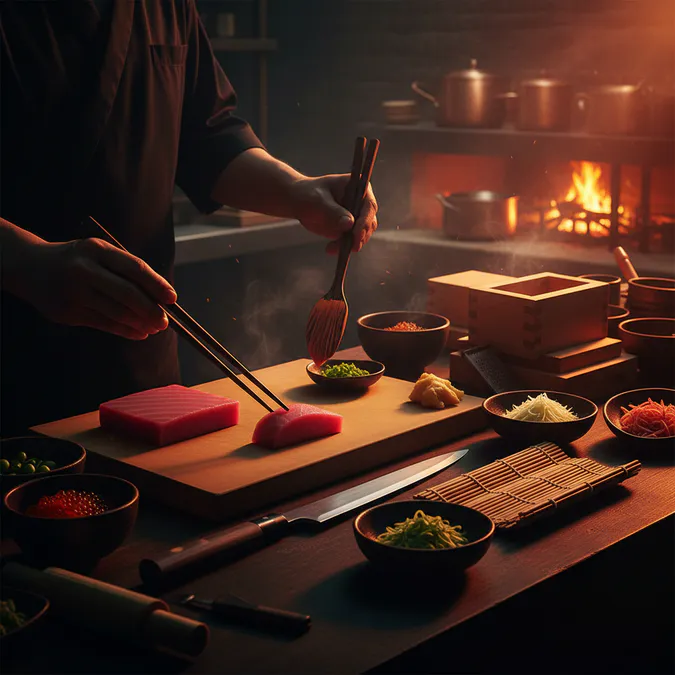
Hyejin Song's archival project recognizes this cultural significance. By documenting these tools in detail, the book preserves not just images of objects, but the stories and techniques associated with them. This approach transforms what might seem like a simple catalog into a meaningful exploration of how material culture shapes culinary practice.
Key Sushi Utensils Found in Master Kitchens
The sushi utensils documented in Song's work include several categories of specialized tools, each serving distinct purposes in the sushi preparation process.
Knives and Blades
The most iconic sushi utensil is undoubtedly the knife. Japanese sushi chefs typically work with several different blade types, each optimized for specific cutting tasks. The yanagiba, a long, single-edged blade, is used for slicing raw fish with precision and minimal damage to the delicate flesh. The deba knife, with its thicker blade and triangular shape, handles tougher tasks like breaking down whole fish. The usuba, a vegetable knife with a rectangular blade, creates thin, uniform cuts for garnishes and vegetable components.
These knives are not mass-produced commodities. Master sushi chefs often commission custom blades from specialized blacksmiths, ensuring that the weight, balance, and edge retention meet their exact specifications. The relationship between a chef and their knife is deeply personal, with many chefs spending years developing the perfect tool for their hand and working style.
Rice Preparation Tools
Sushi rice preparation requires its own set of specialized utensils. The hangiri, a wooden tub traditionally made from cypress wood, is used for cooling and seasoning cooked sushi rice. The wooden construction allows for proper moisture distribution and temperature regulation that metal or plastic containers cannot achieve. The shamoji, a wooden rice paddle, is used to fold the seasoning into the rice while maintaining the individual grain structure.
These tools might appear simple, but their design reflects centuries of refinement. The size and shape of the hangiri, for instance, are calibrated to the typical batch sizes prepared in professional kitchens, while the shamoji's flat, slightly curved design prevents the rice from being crushed during mixing.
Forming and Shaping Tools
Creating perfectly shaped sushi requires precision instruments. The makisu, a bamboo mat woven with cotton string, is essential for rolling maki sushi. Different sizes and weave patterns serve different purposes, from creating tight rolls to forming delicate hand rolls. The nori cutter, a specialized tool for cutting seaweed sheets, ensures uniform pieces that wrap around rice and fillings evenly.
For nigiri sushi, many chefs rely on their hands as their primary tool, but some use specialized molds and shapers to achieve consistent sizing and presentation. These forming tools vary significantly based on individual chef preference and the specific style of sushi being prepared.
From Documentary to Archive: The Evolution of Song's Project
Hyejin Song's book project represents an interesting evolution in how culinary culture is documented and preserved. The original inspiration from David Gelb's "Jiro Dreams of Sushi" documentary provided a foundation of visual storytelling and intimate access to master craftspeople. However, where the film focused on the philosophy and artistry of sushi creation, Song's archival approach emphasizes the material foundation upon which that artistry rests.
This shift in perspective is significant for food culture documentation. While documentaries excel at capturing movement, technique, and the emotional dimensions of cooking, books allow for detailed examination of objects, their history, and their specific applications. Song's work leverages the strengths of the book format to create something that complements rather than duplicates the documentary experience.
The archival methodology also introduces scholarly rigor to the project. By systematically documenting tools, their makers, their histories, and their uses, Song creates a resource that will have lasting value for culinary historians, chefs, and cultural researchers. This approach transforms the book from entertainment into an important cultural document.
What Makes Tokyo's Sushi Masters' Tools Special
Tokyo's most renowned sushi chefs have access to and relationships with some of the finest tool makers in Japan. Many of these artisans have their own specialties and reputations, with chefs traveling to specific regions to commission custom implements.
The quality of sushi utensils available in Tokyo reflects the city's status as a center of culinary excellence and craftsmanship. Tool makers in Tokyo and surrounding regions have developed expertise over generations, understanding exactly what professional sushi chefs need to perform at the highest levels. This concentration of skill and knowledge means that Tokyo's sushi masters can access tools that are simply unavailable elsewhere.
Furthermore, the competitive environment among Tokyo's sushi establishments creates an incentive for continuous refinement. Chefs invest in the best possible tools because they understand that small improvements in equipment can translate to better results and, ultimately, better sushi. This culture of excellence extends to every aspect of the kitchen, including the utensils.
The Craft Behind the Craft
One of the most valuable aspects of Song's archival project is how it illuminates the craft behind the craft. Creating sushi is itself a highly skilled endeavor, but the creation and maintenance of sushi utensils represents another layer of artisanal expertise. The blacksmiths, woodworkers, and other artisans who make these tools are themselves masters of their respective crafts.
By documenting these tools, Song's book acknowledges and celebrates the contributions of these tool makers. It recognizes that the quality of sushi depends not just on the chef's skill, but on the quality of the instruments they work with. This holistic view of culinary culture provides a more complete picture of how excellence is achieved and maintained.
Preserving Culinary Heritage
As Japanese culinary traditions face pressures from modernization and globalization, projects like Song's book serve an important preservation function. By archiving the tools and techniques of Tokyo's master sushi chefs, the work creates a record of how this cuisine is practiced at its highest levels. This documentation ensures that future generations will have access to detailed information about traditional sushi preparation methods and the implements that make them possible.
The book also serves an educational purpose for aspiring sushi chefs and culinary students. By studying the tools used by masters, students can better understand the standards they should aspire to and the investments they should make in their own equipment. This transmission of knowledge through material culture is an important part of how crafts are preserved and passed down.
Key Takeaways
Hyejin Song's sushi utensils book represents a significant contribution to culinary culture documentation. By focusing on the tools that Tokyo's most celebrated sushi masters use daily, the project provides insights into how excellence is achieved and maintained in this ancient craft. The work demonstrates that understanding sushi requires understanding not just techniques and ingredients, but also the specialized implements that make authentic preparation possible. For anyone interested in Japanese food culture, culinary craftsmanship, or the material foundations of cuisine, this archival project offers valuable knowledge and inspiration. The book ultimately celebrates the interconnected network of artisans, tool makers, and chefs who together create the sushi experience that has made Tokyo a global culinary destination.
Frequently Asked Questions
What are the most important sushi utensils?
The most important sushi utensils include knives like the yanagiba and deba, rice preparation tools such as the hangiri and shamoji, and forming tools like the makisu.
How do sushi utensils affect the quality of sushi?
High-quality sushi utensils enhance precision and efficiency in sushi preparation, allowing chefs to create better textures and flavors in their dishes.
Where can I learn more about sushi utensils?
Hyejin Song's book on sushi utensils provides an in-depth look at the tools used by Tokyo's master chefs and their significance in sushi preparation.
Table of Contents
- The Essential Sushi Utensils Behind Tokyo's Culinary Mastery
- The Significance of Sushi Utensils in Japanese Culinary Culture
- Key Sushi Utensils Found in Master Kitchens
- From Documentary to Archive: The Evolution of Song's Project
- What Makes Tokyo's Sushi Masters' Tools Special
- The Craft Behind the Craft
- Preserving Culinary Heritage
- Key Takeaways
- Frequently Asked Questions