
The restaurant industry is undergoing a significant transformation, with artificial intelligence (AI) playing a pivotal role in shaping restaurant trends. According to a recent report by Popmenu, 44% of restaurant operators have already adopted AI in their establishments, and another 25% plan to do so in 2026. This article delves into the key findings of the Popmenu report, exploring the current and future applications of AI in the food industry, and providing insights for restaurant operators looking to stay competitive.
2026 Restaurant Industry Outlook
The year 2026 presents a landscape of both challenges and opportunities for the restaurant industry. Restaurants are facing pressures from rising labor costs, food inflation, and increasingly price-sensitive consumers. In this environment, technology, particularly AI, is emerging as a critical tool for survival and growth. The Popme
AI Adoption Rates Among Restaurant Operators
The adoption of AI in the restaurant industry is rapidly accelerating. According to Popmenu's 2026 nationwide study, 44% of restaurant operators have already integrated AI technology into their establishments. Furthermore, 25% of operators plan to adopt AI in 2026. This indicates a significant shift towards embracing AI as a mainstream solution for various operational challenges. This adoption rate reflects the growing recognition of AI's potential to enhance efficiency, improve customer experience, and boost profitability.
Current AI Applications in Food Preparation
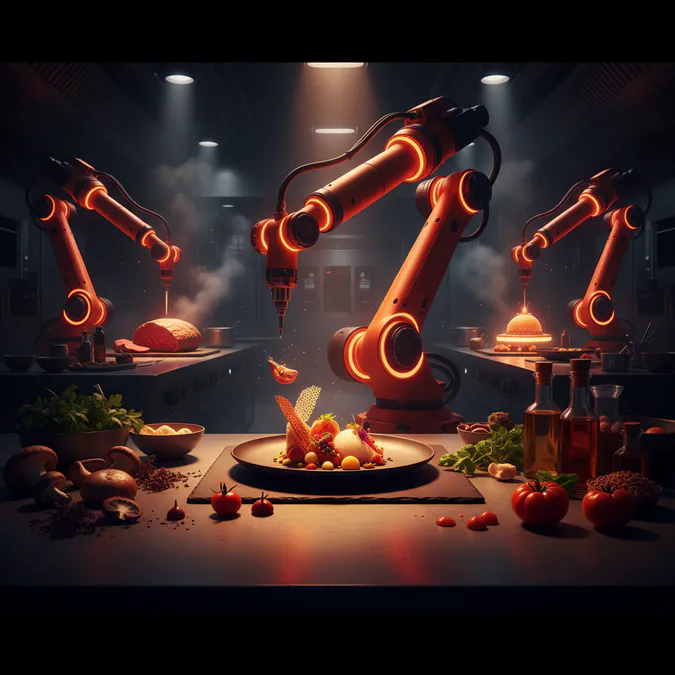
AI is no longer limited to front-of-house operations; it's making inroads into food preparation. While specific examples of AI-driven food preparation are still emerging, the Popmenu report indicates that operators are exploring AI for tasks such as:
- Optimizing ingredient usage: AI can analyze data to minimize waste and ensure efficient use of ingredients.
- Automating repetitive tasks: AI-powered robots can handle tasks like chopping vegetables or assembling dishes, freeing up human staff for more complex work.
- Ensuring consistency: AI can monitor cooking processes to ensure that dishes are prepared to the same standard every time.
These applications can lead to significant cost savings, improved food quality, and reduced labor needs.
AI in Restaurant Business Operations
Beyond food preparation, AI is transforming various aspects of restaurant business operations. Some key applications include:
- Guest Messaging: AI-powered chatbots can handle customer inquiries, take reservations, and provide personalized recommendations.
- Marketing: AI can analyze customer data to create targeted marketing campaigns and personalize offers.
- Menu Management: AI can optimize menu pricing, identify popular dishes, and suggest new menu items based on customer preferences.
- Back-of-House Tasks: AI can automate inventory management, streamline ordering processes, and optimize staffing schedules.
By automating these tasks, AI can help restaurants reduce manual work, improve speed and personalization, and preserve margins without sacrificing the guest experience.
Future Adoption Plans and Growth Projections
The future of AI in the restaurant industry looks promising, with a significant number of operators planning to adopt AI in the near future. As mentioned earlier, 25% of restaurant operators plan to implement AI technology in 2026. This indicates a strong belief in the potential of AI to drive growth and improve efficiency. As AI technology becomes more accessible and affordable, we can expect to see even wider adoption across the industry.
Industry Implications and Competitive Landscape
The increasing adoption of AI has significant implications for the restaurant industry. Restaurants that embrace AI are likely to gain a competitive advantage over those that don't. By leveraging AI to improve efficiency, enhance customer experience, and optimize operations, restaurants can:
- Attract and retain customers: Personalized offers and seamless service can lead to increased customer loyalty.
- Reduce costs: Automation and optimization can help restaurants minimize waste, reduce labor costs, and improve profitability.
- Improve efficiency: AI can streamline operations and free up staff to focus on more important tasks.
As the industry becomes more competitive, restaurants that fail to adopt AI may find themselves at a disadvantage.
Recommendations for Restaurant Operators
For restaurant operators looking to leverage AI, here are some recommendations:
- Identify pain points: Determine which areas of your business could benefit most from AI.
- Explore available solutions: Research different AI tools and platforms that are tailored to the restaurant industry, such as the Popmenu Platform.
- Start small: Begin with a pilot project to test the waters and see how AI can benefit your business.
- Train your staff: Ensure that your staff is properly trained on how to use AI tools and technologies.
- Monitor results: Track the impact of AI on your business and make adjustments as needed.
By taking a strategic approach to AI adoption, restaurant operators can unlock its full potential and drive significant improvements in their business.
Key Takeaways
The restaurant industry is rapidly evolving, and AI is playing a central role in this transformation. With 44% of restaurant operators already adopting AI and another 25% planning to do so in 2026, it's clear that AI is becoming a mainstream solution for various operational challenges. By embracing AI, restaurants can improve efficiency, enhance customer experience, and gain a competitive advantage. As Popmenu notes, 97% of operators are prioritizing guest experience more aggressively in 2026. The time to embrace AI is now, and restaurants that do so will be well-positioned for success in the years to come.
Frequently Asked Questions
What are the main restaurant trends for 2026?
The main restaurant trends for 2026 include the increased adoption of AI technology, a focus on personalized customer experiences, and the importance of sustainability and efficiency in operations.
How is AI changing the restaurant industry?
AI is changing the restaurant industry by optimizing operations, enhancing customer experiences, and automating tasks such as inventory management and food preparation.
What should restaurant operators consider when adopting AI?
Restaurant operators should identify their pain points, explore available AI solutions, start with pilot projects, train their staff, and monitor results to ensure successful AI integration.