The culinary landscape continues to shift rapidly as we move through 2026. Restaurant food trends are being shaped by a combination of social media influence, sustainability concerns, and evolving consumer tastes. Understanding these trends helps both diners know what to expect and industry professionals stay competitive.
Social M
e
dia's Influence on Dining
TikTok and Instagram have become powerful forces in determining which dishes gain traction and which restaurants capture attention. Food trends that gain viral momentum on social platforms often translate into real-world demand at restaurants. What starts as a trending video can quickly become a must-try dish that diners actively seek out.
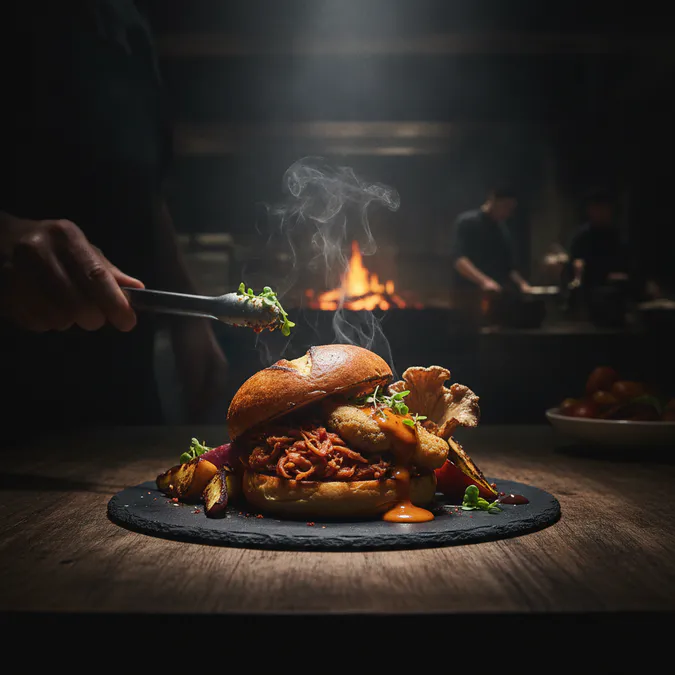
This social media-driven approach to dining has fundamentally changed how restaurants develop menus and market their offerings. Chefs and restaurateurs now consider visual appeal and shareability alongside taste and technique when creating new dishes. The most successful restaurant food trends of 2026 are those that photograph well and tell a compelling story.
Sustainability and Local Sourcing
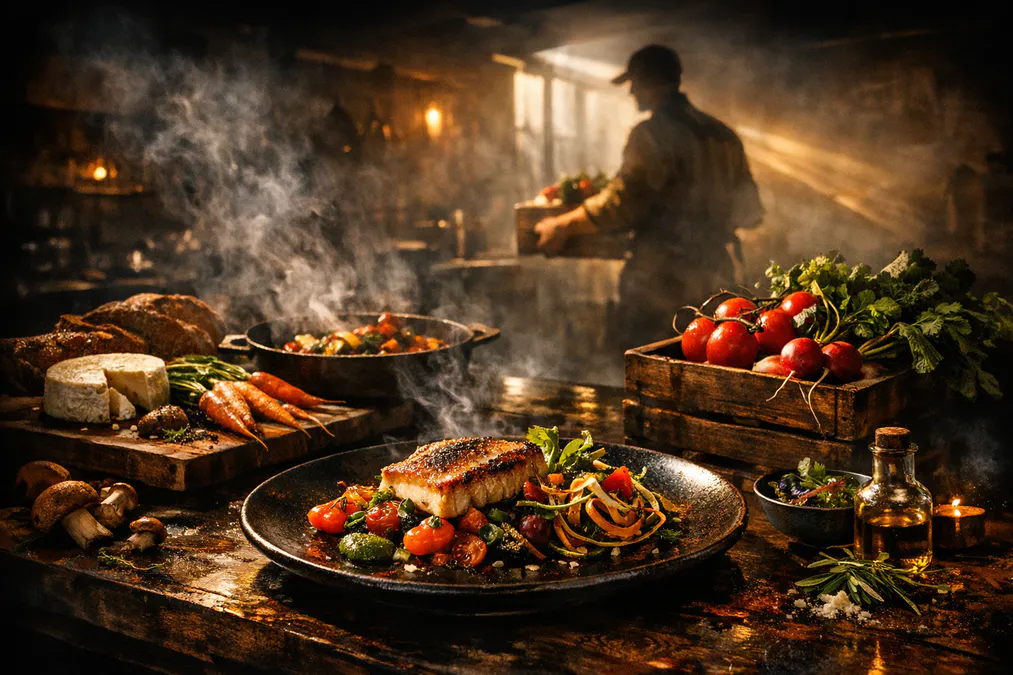
One of the most significant restaurant food trends in 2026 is the continued emphasis on sustainability and local ingredient sourcing. Consumers increasingly want to know where their food comes from and how it impacts the environment. Restaurants responding to this demand are building relationships with local farmers, fisheries, and producers.
This trend extends beyond simple farm-to-table concepts. Progressive restaurants are implementing comprehensive sustainability practices including:
Waste reduction and composting programs
Energy-efficient kitchen operations
On-site ingredient cultivation
Partnerships with urban farming initiatives
Seasonal menu development
The farm-to-table movement has matured significantly, with restaurants now focusing on seasonal menus that change based on what's available locally. This approach not only supports local economies but also ensures fresher, more flavorful ingredients that resonate with environmentally conscious diners.
Plant-Based and Flexitarian Options
While not entirely new, plant-based dining continues to be a dominant restaurant food trend in 2026. However, the approach has evolved beyond simple vegetable substitutes. Chefs are now creating sophisticated plant-based dishes that stand on their own merit rather than attempting to replicate meat-based meals.
Flexitarian dining—where diners reduce but don't eliminate meat consumption—has become mainstream. Restaurants are responding by offering diverse menus that cater to various dietary preferences without making plant-based options feel like an afterthought. The most successful establishments integrate plant-forward dishes naturally into their overall menu philosophy.
Innovative plant-based proteins derived from legumes, grains, and fermented ingredients are gaining prominence. These ingredients offer both nutritional benefits and interesting flavor profiles that appeal to adventurous eaters regardless of their dietary restrictions.
Fermentation and Preservation Techniques
Traditional fermentation and preservation methods are experiencing a renaissance in 2026. Chefs are rediscovering ancient techniques and applying them in contemporary contexts. Fermented ingredients like miso, tempeh, kombucha, and various pickled vegetables are appearing across diverse cuisine types.
These techniques serve multiple purposes within the restaurant food trends landscape:
Enhance flavor complexity and depth
Improve digestibility of ingredients
Extend ingredient shelf life
Align with sustainability goals
Reduce food waste
Restaurants are increasingly featuring house-made fermented products, which become signature elements of their culinary identity. This approach demonstrates craftsmanship and commitment to quality while offering diners something they cannot easily replicate at home.
Global Flavor Fusion
Cultural fusion continues to define restaurant food trends in 2026, but with greater sophistication and respect for culinary traditions. Rather than superficial mashups, chefs are thoughtfully combining techniques and ingredients from different cuisines to create harmonious dishes that honor their origins.
This trend reflects both the increasing diversity of urban populations and the growing culinary education of diners. Restaurants are exploring lesser-known regional cuisines and bringing authentic preparations to wider audiences. Simultaneously, established cuisines are being reinterpreted through modern techniques and contemporary ingredients.
The most compelling restaurant food trends in this category involve chefs with deep knowledge of multiple culinary traditions creating dishes that feel both innovative and respectful. These restaurants often feature detailed menu descriptions that educate diners about the cultural significance and techniques involved.
Whole-Animal and Nose-to-Tail Cooking
Waste reduction and ingredient respect have elevated nose-to-tail cooking from a niche practice to a mainstream restaurant food trend. Chefs are utilizing every part of animals, from organ meats to bones and connective tissues, creating rich stocks and innovative dishes.
This approach aligns with sustainability goals while also offering economic advantages and culinary opportunities. Whole-animal cooking requires skill and creativity, as chefs must develop techniques to make less conventional cuts appealing to diners. The results often include deeply flavorful broths, terrines, and preparations that showcase ingredient quality.
Restaurants embracing this trend often feature it prominently in their marketing, as it demonstrates commitment to sustainability and culinary excellence. Diners increasingly appreciate the philosophy behind nose-to-tail cooking and seek out restaurants practicing these methods.
Technology and Personalization
Advanced technology is reshaping how restaurants operate and personalize dining experiences. From AI-driven menu recommendations to blockchain-verified ingredient sourcing, technology is becoming increasingly integrated into restaurant operations.
Personalization has become a key restaurant food trend, with establishments using data to tailor offerings to individual preferences and dietary needs. Some restaurants employ sophisticated reservation systems that track diner preferences and dietary restrictions, allowing for customized experiences.
This technological integration extends to the kitchen, where precision cooking equipment and data analysis help chefs achieve consistency while maintaining creativity. The balance between technology and human touch remains crucial, as diners still value the personal connection and artistry that define exceptional dining experiences.
Nostalgia and Comfort Food Evolution
As dining becomes increasingly sophisticated and experimental, there's a countertrend celebrating nostalgic comfort foods reimagined through modern techniques. Restaurant food trends in 2026 include elevated versions of classic dishes that evoke emotional connections while offering contemporary flavors and presentations.
Chefs are deconstructing beloved comfort foods and rebuilding them with premium ingredients and refined techniques. This approach appeals to diners seeking both innovation and familiarity, creating dishes that feel comforting yet exciting.
This trend reflects broader cultural patterns where consumers seek authenticity and emotional resonance in their dining experiences. Restaurants successfully executing this trend often feature detailed descriptions explaining the inspiration behind their reinterpretations.
Minimal Waste and Circular Economy Practices
Beyond sourcing, restaurants are implementing comprehensive waste reduction strategies that define 2026's restaurant food trends. This includes creative use of vegetable scraps, fruit peels, and other byproducts that traditionally end up in landfills.
Some establishments are partnering with local businesses to repurpose their waste streams. Vegetable scraps become stocks and broths, spent grains from fermentation become animal feed or compost, and cooking oils are converted to biofuel. These circular economy practices reduce environmental impact while often improving profitability.
Transparency about these practices has become a marketing advantage, with environmentally conscious diners actively seeking restaurants demonstrating genuine commitment to waste reduction.
What This Means for Diners and Restaurants
The restaurant food trends of 2026 reflect a maturation of culinary practices that balance innovation with responsibility. Social media continues to influence what becomes popular, but diners increasingly seek substance behind the aesthetics. Sustainability, cultural respect, and ingredient quality have moved from niche concerns to mainstream expectations.
Successful restaurants in 2026 are those that authentically embrace these trends rather than adopting them superficially. Whether through local sourcing, plant-based innovation, fermentation expertise, or waste reduction, the most compelling establishments demonstrate genuine commitment to their culinary philosophy.
As the food industry continues evolving, these trends will likely deepen and expand. Diners can expect restaurants to become increasingly sophisticated in their approach to sustainability, cultural authenticity, and personalization while maintaining the creativity and passion that makes dining memorable.
Key Takeaways
Restaurant food trends in 2026 emphasize sustainability and local sourcing.
Social media plays a crucial role in shaping dining preferences.
Plant-based and flexitarian options are becoming mainstream.
Fermentation techniques are gaining popularity for flavor enhancement.
Whole-animal cooking reflects a commitment to sustainability.
Technology is personalizing dining experiences.
Nostalgia in comfort food is being reimagined with modern twists.
Restaurants are adopting circular economy practices to minimize waste.
FAQ
What are the top restaurant food trends for 2026?
The top restaurant food trends for 2026 include sustainability, plant-based options, global flavor fusion, and advanced technology in dining experiences.
How is social media influencing restaurant food trends?
Social media platforms like TikTok and Instagram are driving the popularity of certain dishes, affecting menu development and marketing strategies in restaurants.
What does plant-based dining mean in 2026?
In 2026, plant-based dining focuses on sophisticated dishes that highlight vegetables and innovative plant-based proteins rather than simply replicating meat-based meals.
Why is sustainability important in restaurant food trends?
Sustainability is crucial as consumers increasingly demand transparency about food sourcing and environmental impact, prompting restaurants to adopt responsible practices.
What role does technology play in modern dining?
Technology enhances personalization in dining experiences, allowing restaurants to tailor offerings based on individual preferences and dietary needs.
Explore the top culinary trends of 2026, including nostalgic flavors, plant-based innovations, and sustainability, shaping the future of dining experiences.
Explore the 10 essential food trends for 2026 that are reshaping dining, from next-gen comfort foods to sustainability and technology-driven experiences.