
New York City's restaurant landscape in 2026 continues to set the standard for dining trends across America. From the emergence of high-end crustacean dishes to revolutionary dessert innovations, the city's food scene reflects broader shifts in culinary preferences and dining culture. The New York Times' chief critic recently highlighted three major developments shaping NYC's restaurant world: the rise of hip crustacean-focused cuisine, evolving dessert trends that are redefining the final course, and the ongoing challenge of navigating restaurant reservation systems that continue to frustrate diners seeking tables at the city's most sought-after establishments. The focus keyword, NYC restaurant trends 2026, encapsulates these exciting developments.
The 2026 NYC dining scene represents a fascinating balance between innovation and tradition. While iconic establishments like Katz's Delicatessen (operating since 1888) and Sylvia's Restaurant (serving since 1962) continue to define New York's culinary identity, the city simultaneously embraces cutting-edge concepts that push the boundaries of contemporary cuisine. This article explores the key trends shaping NYC's restaurant world and what they reveal about the future of fine dining.
The Rise of Crustacean-Focused Cuisine
Crustaceans have emerged as one of the most exciting and hip dining trends in New York City's 2026 restaurant scene. This movement extends beyond simple seafood preparations to encompass creative, high-end interpretations of lobster, crab, shrimp, and other shellfish. Restaurants are increasingly featuring crustaceans as the centerpiece of their menus, moving away
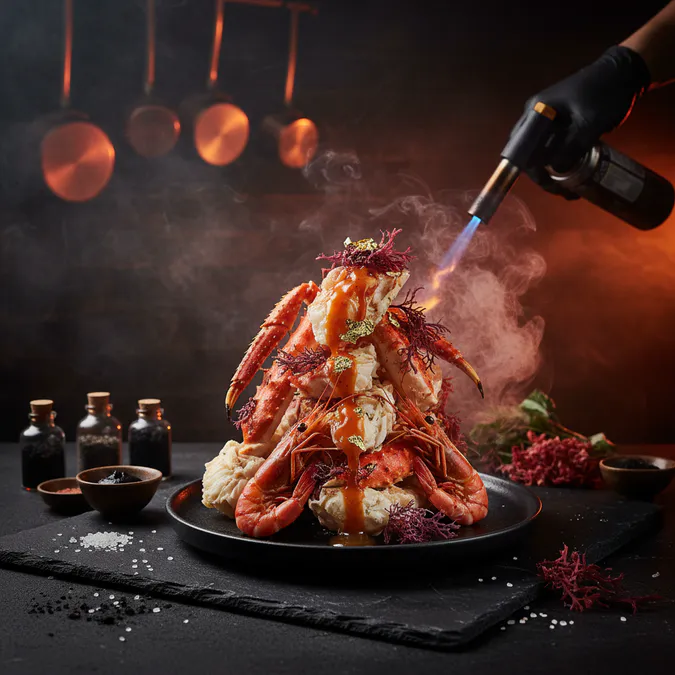
The seafood-forward dining movement has gained significant momentum, with establishments like San Sabino leading the charge. According to Devorah Lev-Tov, a Brooklyn-based freelance food and travel writer with bylines in The New York Times, Conde Nast Traveler, Eater, Food & Wine, and Fine Dining Lovers, "If I'm craving seafood and a lively crowd, San Sabino is the spot. The food is a creative and fun take on Italian seafood, the décor is funky yet still stylish, and the vibe is always high-energy." This highlights the growing popularity of NYC restaurant trends 2026 focused on crustaceans.
Other notable seafood-focused restaurants gaining prominence include Hav & Mar and Penny, both of which have earned recognition for their creative seafood preparations and commitment to high-quality fish selections. These establishments represent a broader trend toward ingredient-focused dining where the quality and preparation of crustaceans take center stage.
The crustacean trend also intersects with fine dining excellence. Casa Mono, a Michelin-starred Spanish restaurant in Gramercy, exemplifies how premium ingredients like uni and other crustacean products are being incorporated into sophisticated culinary experiences. Food writer David Farley notes that Casa Mono "delivers inventive, MICHELIN-starred Spanish fare in Gramercy that goes miles beyond the usual pan con tomate and patatas bravas. You'll find ample amounts of showstopping ingredients like uni, foie gras, jamón Ibérico, and bone marrow on the menu." This trend showcases the versatility and creativity in the realm of crustacean-focused cuisine.
Dessert Innovations Reshaping the Final Course
Dessert trends in 2026 are experiencing a significant evolution, with pastry chefs and restaurants reimagining what the final course can be. Rather than relying on traditional sweet preparations, NYC's top establishments are experimenting with unexpected flavor combinations, innovative techniques, and creative presentations that challenge diners' expectations.
This dessert revolution reflects a broader culinary movement toward balance and sophistication. Chefs are increasingly incorporating savory elements, unusual ingredients, and artistic presentations into their dessert offerings. The trend moves beyond the standard chocolate cake or crème brûlée toward more adventurous territory where pastry chefs function as true artists rather than simply executing classic recipes.
The emphasis on dessert innovation also connects to the seasonal cuisine movement that has become increasingly important in NYC's fine dining landscape. Restaurants are now sourcing seasonal fruits, herbs, and other ingredients to create desserts that reflect the time of year and local availability. This approach not only ensures freshness and quality but also demonstrates a commitment to sustainability and supporting local producers.
Many of the city's most acclaimed restaurants are now featuring dessert menus that rival their savory counterparts in creativity and technical skill. This elevation of the dessert course reflects changing consumer preferences, with diners increasingly viewing the entire meal as an integrated experience rather than treating dessert as an afterthought.
The Persistent Challenge of Restaurant Reservations
While NYC's restaurant scene continues to innovate and expand, one persistent challenge remains: securing a reservation at the city's most coveted establishments. The reservation system battle has become a defining feature of New York dining culture, with diners facing significant obstacles when attempting to book tables at popular restaurants.
The challenge manifests in several ways. Popular restaurants often fill their reservation books weeks or months in advance, making it difficult for spontaneous diners to secure tables. High-demand establishments like Semma, which pioneered the South Indian coastal cuisine trend since 2021, now have reservations that are significantly harder to obtain. The restaurant's success has created a situation where demand far exceeds available seating, leaving many potential diners unable to experience the cuisine that has captivated NYC's food community.
Restaurant reservation systems themselves have become a point of frustration. The digital infrastructure supporting reservations—whether through OpenTable, Resy, or individual restaurant websites—often creates barriers to access. Technical issues, limited availability windows, and the speed required to secure tables at popular establishments have led to a dining landscape where advance planning is essential and spontaneity is increasingly difficult.
This reservation challenge has broader implications for NYC's dining culture. It creates a two-tiered system where those with flexibility, technology access, and advance planning capabilities can secure tables at the city's best restaurants, while others face significant barriers. Some restaurants have begun experimenting with alternative approaches, including walk-in availability, chef's counter seating, and dynamic pricing models, but these solutions remain inconsistent across the industry.
The South Indian Cuisine Surge
One of the most significant developments in NYC's 2026 restaurant scene is the continued expansion of South Indian coastal cuisine. This trend, initiated by Semma in 2021, has evolved into a major movement reshaping the city's fine dining landscape. What began as a single pioneering restaurant has blossomed into a diverse ecosystem of establishments celebrating Kerala, Malvan, and other coastal South Indian culinary traditions.
The expansion includes multiple new Kerala-inspired restaurants opening in 2026, such as Kidilum and Chatti in Flatiron. Other notable additions to this trend include Kanyakumari in Flatiron, Lungi on the Upper East Side, and Malvan in Cobble Hill. Plans for a Lungi sequel in Queens indicate that this trend shows no signs of slowing down, with restaurateurs recognizing the strong consumer appetite for authentic South Indian coastal cuisine.
Semma's pioneering role in this movement cannot be overstated. By introducing NYC diners to the sophisticated flavors and techniques of South Indian coastal cooking, the restaurant opened doors for an entire category of cuisine that had been underrepresented in the city's fine dining landscape. The success of Semma and subsequent establishments demonstrates that NYC diners are eager to explore regional Indian cuisines beyond the North Indian dishes that have traditionally dominated the market.
High-End Indian Dining Reaches New Heights
Beyond the South Indian coastal cuisine movement, high-end Indian dining has emerged as a major trend in NYC's 2026 restaurant scene. The February 2026 opening of Ambassadors Clubhouse, a London import featuring chef Karan Mittal, represents a significant moment in the city's fine dining landscape. This establishment brings a new level of sophistication to Indian cuisine, with a menu inspired by royal kitchens and Punjab street stalls.
Ambassadors Clubhouse exemplifies how Indian cuisine is increasingly being recognized as worthy of the same fine dining treatment traditionally reserved for French, Italian, and Japanese establishments. Chef Karan Mittal's approach, which draws inspiration from both elevated royal kitchen traditions and the vibrant street food culture of Punjab, demonstrates the depth and versatility of Indian culinary traditions.
This trend reflects a broader shift in how NYC's fine dining community views global cuisines. Rather than relegating Indian food to casual dining categories, top chefs and restaurateurs are now investing in high-end Indian concepts that showcase the cuisine's complexity, sophistication, and cultural significance. This elevation of Indian cuisine represents both a recognition of its culinary merit and a response to changing consumer preferences that increasingly value authentic, globally-inspired dining experiences.
Homegrown NYC Restaurant Chains Experience Rapid Expansion
Another defining trend in 2026 is the rapid expansion of successful homegrown NYC restaurant concepts. These locally-born brands are scaling quickly, opening multiple new locations and establishing themselves as major players in the city's dining landscape.
Lucia, a pizza-focused concept, exemplifies this growth trajectory. The restaurant has expanded to four locations in just three years, with a fourth location opening on the Upper West Side by fall 2026. This rapid expansion demonstrates the strong appeal of the concept and the viability of scaling successful NYC restaurant ideas.
L'Industrie is similarly experiencing growth, with a third location launching in Little Italy. This expansion strategy reflects confidence in the concept's ability to succeed across different neighborhoods and customer bases.
Mariscos El Submarino has been particularly aggressive in its expansion, launching three new locations within the past year. This rapid scaling indicates strong consumer demand and effective operational systems that allow the concept to maintain quality while expanding geographically.
These expansion patterns reveal important insights about NYC's restaurant market. Successful concepts that resonate with local diners can scale effectively, suggesting that there is significant demand for quality dining options across the city's diverse neighborhoods. The success of these homegrown chains also demonstrates that innovation and excellence in NYC's restaurant scene are not limited to high-end fine dining establishments but extend across all price points and dining categories.
Balancing Innovation with Culinary Tradition
NYC's 2026 restaurant scene is characterized by a fascinating tension between innovation and tradition. While the city embraces cutting-edge concepts and emerging trends, it simultaneously maintains deep respect for culinary institutions that have defined New York dining for generations.
Katz's Delicatessen, operating since 1888, continues to serve as a symbol of NYC's enduring culinary identity. With 138 years of operation, this iconic establishment represents a continuity of tradition that grounds the city's food culture even as new trends emerge. Similarly, Sylvia's Restaurant, serving since 1962, maintains its position as a cultural institution celebrating African American culinary traditions and community.
The coexistence of these historic establishments with innovative new concepts creates a dynamic dining landscape where diners can experience both time-honored traditions and cutting-edge culinary experimentation. This balance is essential to NYC's identity as a food destination, as it acknowledges that culinary excellence takes many forms and that tradition and innovation are not mutually exclusive.
What These Trends Reveal About Consumer Preferences
The trends shaping NYC's 2026 restaurant scene reveal important insights about contemporary consumer preferences. The emphasis on crustacean-focused cuisine and seafood preparations suggests that diners increasingly value ingredient quality and creative preparation techniques. The surge in South Indian coastal cuisine indicates growing interest in regional and authentic global cuisines rather than generalized versions of international food.
The rapid expansion of homegrown restaurant chains demonstrates that NYC diners value locally-born concepts and are willing to support restaurants that reflect the city's unique character. The continued success of iconic establishments reveals that tradition and authenticity remain important to consumers, even as they explore new dining experiences.
The persistent challenge of restaurant reservations, while frustrating, also indicates the strength of demand for quality dining experiences in NYC. The fact that restaurants fill their reservation books months in advance reflects the city's position as a premier food destination where exceptional dining remains highly valued.
Looking Ahead: The Future of NYC Dining
As NYC's restaurant scene continues to evolve, several patterns suggest the direction of future development. The emphasis on seasonal cuisine, ingredient quality, and creative fusion concepts that blend cultural influences will likely continue to define the city's fine dining landscape. The success of South Indian coastal cuisine and high-end Indian dining suggests that consumers will continue to seek out authentic, regionally-specific cuisines rather than generic international food.
The expansion of successful homegrown restaurant chains indicates that the city will continue to produce innovative concepts that scale effectively and influence dining trends beyond NYC. The balance between maintaining culinary traditions and embracing innovation will remain central to the city's food identity.
The reservation system challenge will likely continue to shape NYC's dining culture, potentially driving innovation in how restaurants manage access and availability. As the industry grapples with this persistent issue, new solutions may emerge that make dining at the city's best restaurants more accessible to a broader range of consumers.
The Bottom Line
New York City's 2026 restaurant scene represents a vibrant, dynamic food culture that continues to set trends for the nation. From the rise of crustacean-focused cuisine to innovative dessert preparations, from the surge in South Indian coastal dining to the rapid expansion of homegrown restaurant chains, the city's food landscape reflects both innovation and tradition. While challenges like restaurant reservation accessibility persist, they underscore the strength of demand for quality dining experiences in America's premier food destination. As NYC's restaurants continue to evolve, they will undoubtedly continue to shape how Americans think about food, dining, and culinary excellence.