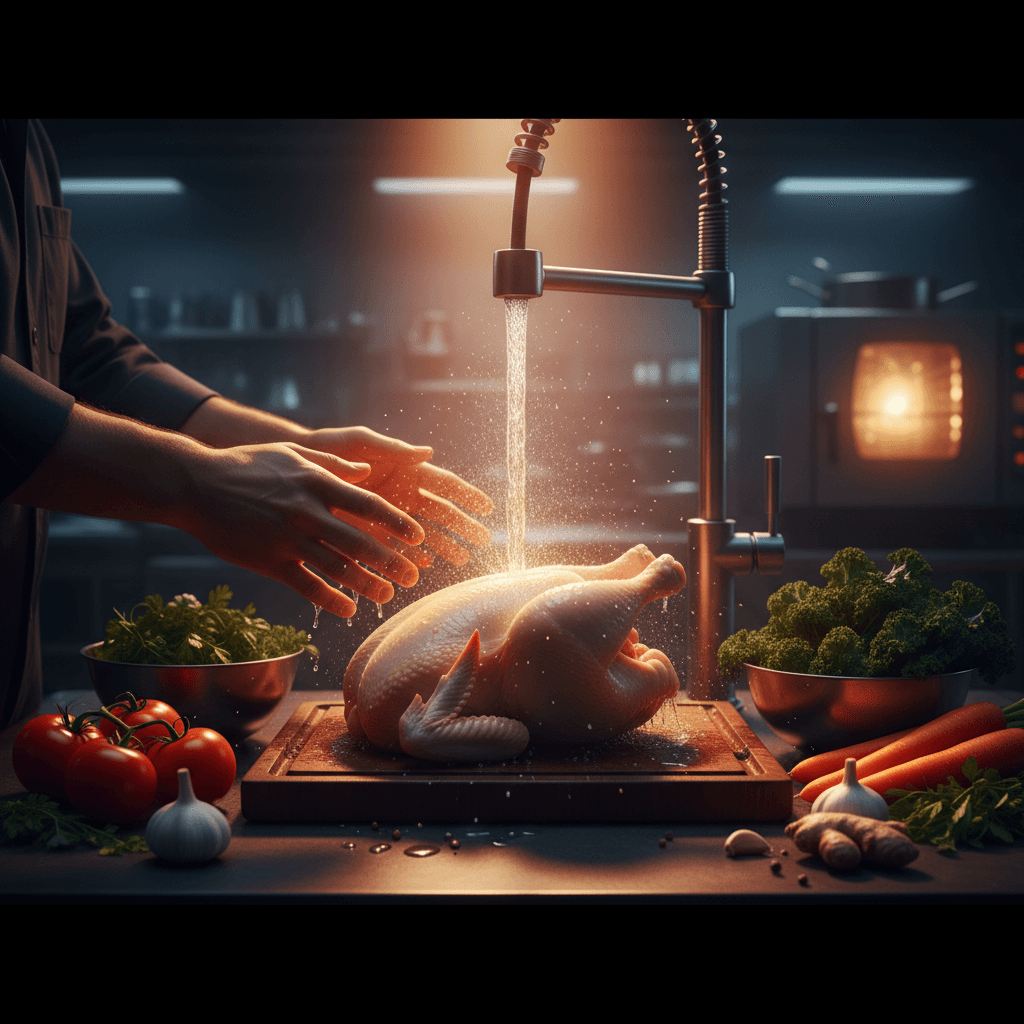
For generations, many home cooks have rinsed raw chicken under running water before cooking, believing this practice removes bacteria and makes the meat cleaner. However, food safety experts and health organizations worldwide now strongly advise against this common kitchen habit. Understanding why washing chicken is dangerous can help protect you and your family from serious foodborne illnesses.
The Cross-Contamination Risk of Washing Chicken
The primary concern with washing raw chicken involves a phenomenon called cross-contamination. When water hits raw poultry, it doesn't simply rinse away bacteria. Instead, the force of the water creates tiny droplets that spray outward, potentially spreading harmful pathogens like Salmonella and Campylobacter across your sink, countertops, utensils, and even nearby foods. These microscopic water droplets can travel up to three feet from your sink, contaminating surfaces you might not even realize have been exposed.
Salmonella and Campylobacter are the two most common bacteria found on raw chicken, and both can cause severe gastrointestinal illness. Symptoms include nausea, vomiting, diarrhea, abdominal cramps, and fever. For vulnerable populations such as young children, elderly individuals, pregnant women, and those with compromised immune systems, these infections can lead to serious complications requiring hospitalization.
Why Proper Cooking Is Your Best Defense in Food Safety
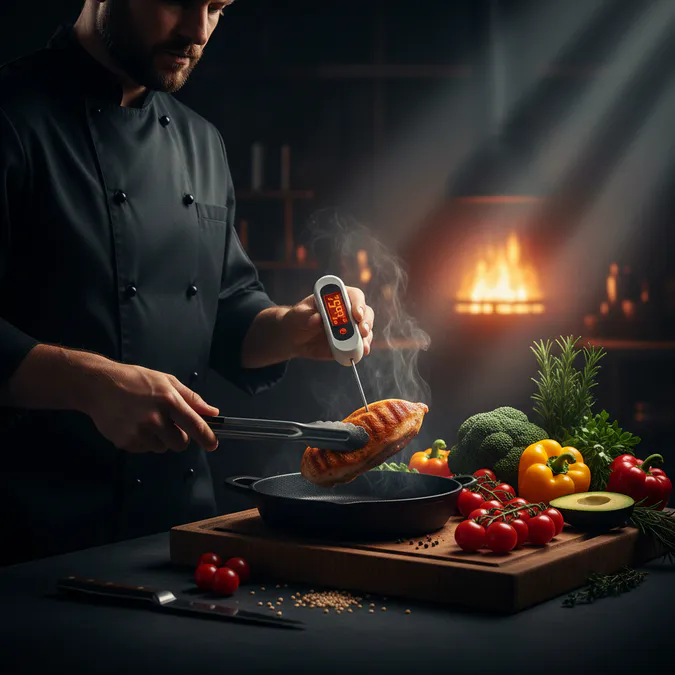
The good news is that proper cooking eliminates these dangerous bacteria entirely. When chicken reaches an internal temperature of 165°F (74°C), all harmful pathogens are destroyed. This is why using a meat thermometer is one of the most important food safety practices in your kitchen. The heat from cooking is far more effective at killing bacteria than water ever could be.
Major health organizations including the Centers for Disease Control and Prevention (CDC), the United States Department of Agriculture (USDA), and the Food Standards Agency in the UK all recommend against washing raw poultry. Their research consistently shows that the risks of cross-contamination far outweigh any perceived benefits of rinsing.
Safe Chicken Handling Practices for Food Safety
If you're concerned about the appearance or texture of raw chicken, simply pat it dry with paper towels instead. This removes excess moisture without creating the spray effect that spreads bacteria. Immediately dispose of the used paper towels and thoroughly wash your hands with soap and warm water for at least 20 seconds.
Proper kitchen hygiene extends beyond just handling the chicken itself. Always use separate cutting boards for raw meat and other foods, particularly items that won't be cooked like salads or fresh fruits. Designate one cutting board exclusively for raw proteins and another for produce. Color-coded cutting boards can help prevent mix-ups.
Cleaning and Sanitizing Your Kitchen
After preparing raw chicken, sanitize all surfaces, utensils, and cutting boards that came into contact with the meat. Use hot, soapy water followed by a sanitizing solution of one tablespoon of unscented liquid chlorine bleach per gallon of water. Allow the solution to sit on surfaces for several minutes before rinsing.
Your kitchen sink deserves special attention since it's a common site for cross-contamination. After handling raw chicken, clean and sanitize your sink basin, faucet handles, and the surrounding area. Don't forget to wash any dish towels or sponges that may have contacted contaminated surfaces.
Protecting Your Family's Health with Food Safety
By abandoning the practice of washing raw chicken and adopting proper food safety techniques, you significantly reduce the risk of foodborne illness in your home. Remember that thorough cooking, not rinsing, is your best defense against harmful bacteria. These simple changes to your kitchen routine can make a substantial difference in protecting your family's health while still enjoying delicious, safely prepared poultry dishes.
Key Takeaways
- Never wash raw chicken to avoid cross-contamination.
- Cook chicken to an internal temperature of 165°F (74°C) to kill bacteria.
- Use separate cutting boards for raw chicken and other foods.
- Sanitize kitchen surfaces after handling raw chicken.
- Pat chicken dry with paper towels instead of washing.
Frequently Asked Questions about Food Safety
1. Why is it dangerous to wash raw chicken?
Washing raw chicken can spread harmful bacteria through water droplets, increasing the risk of cross-contamination in your kitchen.
2. What temperature should chicken be cooked to for safety?
Chicken should be cooked to an internal temperature of 165°F (74°C) to ensure all harmful bacteria are killed.
3. How can I handle raw chicken safely?
Use separate cutting boards for raw chicken, wash your hands thoroughly, and sanitize all surfaces after preparation.
4. What should I do if I accidentally wash chicken?
If you wash chicken, clean and sanitize all surfaces that may have come into contact with water droplets to prevent cross-contamination.
5. Are there any alternatives to washing chicken?
Instead of washing, pat raw chicken dry with paper towels to remove excess moisture without spreading bacteria.
Additional Resources for Food Safety
For more information on food safety practices, consider visiting the CDC's Food Safety page or the USDA Food Safety and Inspection Service. These resources provide comprehensive guidelines and tips to keep your kitchen safe.