
Introduction to Hibiscus in Modern Cooking
When most people think of salmon preparation, they envision classic lemon butter sauces or simple herb seasonings. But a culinary revolution is quietly happening in kitchens around the world, and it centers on an unexpected ingredient: hibiscus. This vibrant flower, traditionally used in plant medicine for centuries, is now capturing the attention of chefs and home cooks alike
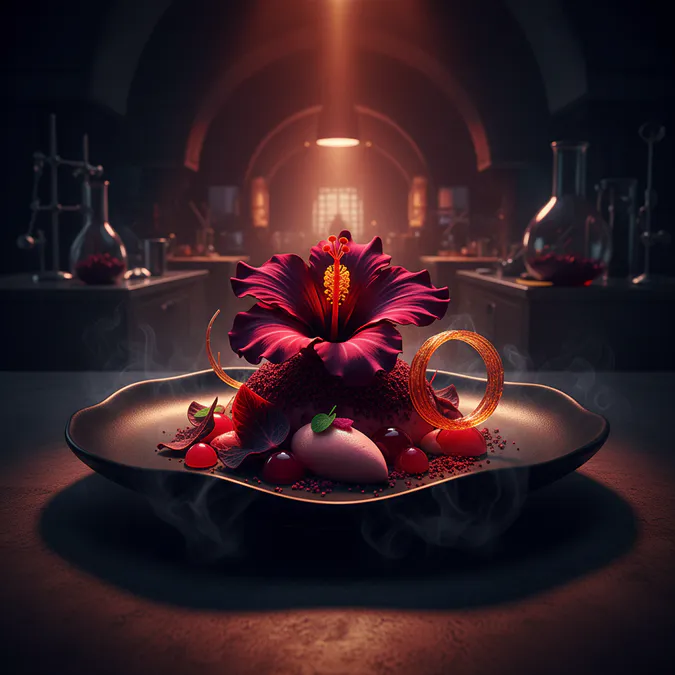
Hibiscus, particularly the variety known as Hibiscus sabdariffa or roselle, brings far more to the table than just visual appeal. The calyx—the red fleshy sepals of the flower—offers a tart, cranberry-like flavor that adds complexity and depth to marinades. When combined with the sweetness of honey and the tanginess of mustard, hibiscus creates a sophisticated flavor profile that elevates salmon from a weeknight dinner staple to restaurant-quality cuisine.
What makes this ingredient particularly compelling is that it bridges the gap between culinary excellence and nutritional science. You're not just creating a delicious dish; you're infusing your meal with compounds that have been valued in traditional medicine across cultures for their remarkable health properties.
The Science Behind Hibiscus Health Benefits
Hibiscus has earned its place in plant medicine cabinets for good reason. The flower contains an impressive array of bioactive compounds that support various aspects of health. According to research from the Cleveland Clinic, hibiscus is high in antioxidants like beta-carotene, vitamin C, and anthocyanin—powerful compounds that help protect your cells from oxidative stress.
One of hibiscus's most celebrated properties is its diuretic action. Traditional practitioners have long used hibiscus as a tonic to support kidney and liver function by promoting fluid elimination. This property makes it particularly valuable for those looking to support their body's natural detoxification processes.
Beyond diuretics, hibiscus demonstrates antimicrobial effects against various bacteria, as documented by the Chestnut School of Herbal Medicine. This antimicrobial action has made hibiscus a staple in cold remedies and immune-supporting preparations throughout history.
Perhaps most impressively, clinical research has shown tangible cardiovascular benefits. A 2011 study published through the National Library of Medicine found that hibiscus tea consumption lowered bad cholesterol in participants, supporting its traditional use for blood pressure management. The Cleveland Clinic further notes that hibiscus's rich antioxidant profile supports both cholesterol and blood pressure health.
Nutritionally, hibiscus delivers substantial amounts of vitamin C, iron, and calcium—nutrients essential for immune function, oxygen transport, and bone health. When you marinate salmon in a hibiscus-infused honey mustard sauce, you're not just adding flavor; you're creating a nutrient-dense meal that supports your overall wellness.
Understanding the Hibiscus Honey Mustard Marinade
The genius of combining hibiscus with honey and mustard lies in how these ingredients complement each other. Honey provides natural sweetness and helps create a glossy glaze on the salmon. Mustard contributes sharp, tangy notes that balance the sweetness. Hibiscus adds a tart, slightly floral acidity that ties everything together while introducing its distinctive cranberry-like flavor.
Derek Johnstone, Executive Chef of Rusacks St Andrews and inaugural winner of MasterChef: The Professionals, understands this balance intimately. As he explains, "I love hibiscus as an ingredient, not only for the amazing health benefits it gives us, but also for the sweet, delicious and slightly acidic flavour it has. I love using it to make infusions in stock syrups or combining it with raspberry or rhubarb in sorbets." This professional perspective highlights why hibiscus has become increasingly popular in contemporary cuisine—it delivers on both health and flavor fronts.
The marinade works by allowing the acidic components to gently denature the salmon's proteins, helping flavors penetrate the flesh while keeping it moist during cooking. The honey caramelizes slightly during cooking, creating a beautiful glaze, while the hibiscus infuses the entire dish with its distinctive character.
Step-by-Step Hibiscus Honey Mustard Salmon Recipe
Creating a hibiscus honey mustard salmon marinade requires just a few quality ingredients and about 15 minutes of preparation time. This proven recipe delivers restaurant-quality results with minimal effort.
Ingredients You'll Need
- Fresh salmon fillets (4-6 ounces per person)
- 3 tablespoons raw honey
- 2 tablespoons Dijon mustard
- 2 tablespoons dried hibiscus flowers (or 3 tablespoons fresh)
- 1 tablespoon apple cider vinegar
- 2 cloves garlic, minced
- 1 teaspoon fresh ginger, grated
- Salt and pepper to taste
- 1 tablespoon olive oil
7 Preparation Steps
- Prepare the hibiscus infusion: Steep the dried hibiscus flowers in 1/4 cup of hot water for 5-10 minutes. This allows the flowers to release their color, flavor, and beneficial compounds. Strain the flowers and reserve the liquid.
- Mix the base marinade: In a small bowl, whisk together the honey, Dijon mustard, and 2 tablespoons of the hibiscus infusion. The mixture should be smooth and well combined.
- Add aromatics: Add the minced garlic and grated ginger to the honey mustard mixture, stirring well to distribute evenly.
- Balance the acidity: Stir in the apple cider vinegar, which adds additional acidity and helps preserve the marinade's vibrant color.
- Prepare the salmon: Pat your salmon fillets dry with paper towels. This step is crucial for achieving a nice sear on the outside while keeping the interior moist.
- Marinate the fish: Place the salmon in a shallow dish or zip-top bag. Pour the hibiscus honey mustard marinade over the fillets, ensuring they're well coated. Refrigerate for at least 30 minutes, though 2-4 hours is ideal for deeper flavor penetration. Don't marinate longer than 8 hours, as the acid can begin to break down the fish's texture excessively.
- Cook to perfection: When ready to cook, remove the salmon from the refrigerator and let it sit at room temperature for 10 minutes. Heat olive oil in a skillet over medium-high heat. Once shimmering, carefully place the salmon skin-side up in the pan. Cook for 4-5 minutes until the skin is crispy and the bottom is golden. Flip and cook for another 3-4 minutes until the salmon reaches your desired doneness. The internal temperature should reach 145°F for food safety. During the last minute of cooking, spoon any remaining marinade over the salmon to create a glaze.
Expert Tips for Perfect Results
Achieving restaurant-quality results at home requires attention to detail. Here are professional techniques that make a significant difference:
Source Your Hibiscus Carefully
Look for dried hibiscus flowers from reputable sources that specialize in herbs and botanicals. The quality of your hibiscus directly impacts the final dish. Vibrant red flowers indicate proper drying and storage. Industry experts note that premium-grade hibiscus flowers deliver superior flavor complexity and color intensity compared to lower-quality alternatives.
Balance Your Acid
The acidity in the marinade is crucial for both flavor and food safety. If you find the hibiscus infusion too tart, you can reduce it slightly or add an extra teaspoon of honey. Conversely, if it seems too sweet, increase the vinegar by half a teaspoon. Research indicates that proper acid balance enhances the marinade's ability to preserve the salmon while developing deeper flavor profiles.
Don't Skip the Dry Step
Patting salmon dry before cooking is non-negotiable. Moisture on the surface prevents proper browning and creates steam rather than a desirable crust. Professional chefs emphasize this technique as essential for achieving the textural contrast that distinguishes restaurant-quality salmon from ordinary preparations.
Control Your Heat
Medium-high heat is ideal. Too high, and the exterior burns before the interior cooks through. Too low, and you won't achieve the crispy skin that adds textural contrast. Consistent temperature management ensures even cooking and optimal caramelization of the honey-based glaze.
Use a Meat Thermometer
The most reliable way to cook salmon perfectly is with an instant-read thermometer. Aim for 145°F internal temperature for fully cooked salmon, or 130-135°F if you prefer it slightly more delicate. This precision eliminates guesswork and ensures consistent results every time you prepare hibiscus honey mustard salmon.
Reserve Marinade for Serving
If you want to use some marinade as a finishing sauce, reserve a portion before adding raw salmon. This ensures food safety while allowing you to drizzle fresh marinade over the plated dish for enhanced presentation and flavor.
Creative Variations and Substitutions
Once you master the basic hibiscus honey mustard salmon, the possibilities expand considerably. The beauty of this recipe lies in its flexibility and how it adapts to different ingredients and preferences.
Hibiscus Leaf Variations
While the calyx (the red sepals) is most commonly used, hibiscus leaves offer their own culinary potential. According to Olu Olu Foods, hibiscus leaves are increasingly featured in global cuisines, including applications like hibiscus-infused quinoa and chicken skewers. Young hibiscus leaves provide soluble fiber for gut health and can be eaten raw or cooked. You could incorporate finely chopped hibiscus leaves directly into your marinade for added texture and nutritional density.
Seasonal Adaptations
In summer, consider adding fresh berries like raspberries to your hibiscus marinade, creating a berry-forward version. In autumn, incorporate warming spices like cinnamon or star anise. Winter preparations might include deeper, earthier notes with additions like balsamic vinegar or soy sauce. These seasonal variations allow you to customize hibiscus honey mustard salmon throughout the year.
Mustard Variations
While Dijon mustard is classic, experimenting with whole grain mustard creates a more rustic texture, or spicy brown mustard adds heat. Honey mustard blends work beautifully as well, though you may need to reduce the added honey slightly. Each mustard variety brings distinct flavor notes that complement the hibiscus differently.
Honey Alternatives
If you prefer to avoid refined honey, try raw honey for its additional enzymes, or experiment with maple syrup for a different sweetness profile. Agave nectar offers a more neutral sweetness that lets the hibiscus shine. These alternatives maintain the marinade's essential character while accommodating different dietary preferences.
Protein Variations
This marinade works beautifully on other proteins. Chicken breasts absorb the flavors wonderfully, requiring slightly longer cooking times. Duck breast pairs exceptionally well with hibiscus's tartness. Even firm white fish like halibut or cod benefit from this treatment. The versatility of hibiscus honey mustard marinade extends your culinary options considerably.
Side Dish Pairings
Complement your hibiscus honey mustard salmon with roasted vegetables that won't compete with the delicate flavors. Asparagus, green beans, or roasted beets work well. For grains, consider quinoa or wild rice, which provide earthiness that balances the floral notes. These pairings create a complete, balanced meal.
Frequently Asked Questions
How long can I marinate salmon in hibiscus honey mustard marinade?
You can marinate salmon for 30 minutes to 8 hours. The minimum time of 30 minutes allows basic flavor absorption, while 2-4 hours provides optimal flavor penetration. Beyond 8 hours, the acidic components may begin to break down the fish's delicate texture excessively. This timeframe ensures your hibiscus honey mustard salmon achieves perfect flavor balance without compromising texture.
Can I make hibiscus honey mustard salmon ahead of time?
Yes, you can prepare the marinade up to 3 days in advance and store it in an airtight container in the refrigerator. Add the salmon and marinate for your desired time before cooking. Cooked hibiscus honey mustard salmon keeps for 3-4 days when stored properly in the refrigerator, making it excellent for meal preparation.
What if I can't find dried hibiscus flowers?
You can substitute dried hibiscus with hibiscus tea bags (use 2-3 bags steeped in hot water), or look for hibiscus at specialty food stores, health food markets, or online retailers. Some grocery stores carry it in the tea or international foods section. These alternatives ensure you can always prepare authentic hibiscus honey mustard salmon.
Is hibiscus honey mustard salmon suitable for meal prep?
Absolutely. Prepare the marinade and portion salmon into containers, then marinate for 2-4 hours. Cook when ready to eat, or marinate overnight and cook the next day. The cooked fish stores well for 3-4 days, making it ideal for weekly meal preparation. This approach simplifies your weekly cooking routine while maintaining quality.
Can I use fresh hibiscus flowers instead of dried?
Yes, fresh hibiscus flowers work well. Use about 3 tablespoons of fresh flowers and steep them in hot water for 5-10 minutes, just as you would with dried flowers. Fresh flowers may require slightly longer steeping to release their full flavor and color, ensuring your hibiscus honey mustard salmon achieves the desired taste profile.
Key Takeaways
- Hibiscus honey mustard salmon combines culinary excellence with proven health benefits, including antioxidants, diuretic properties, and antimicrobial effects.
- The 7-step recipe takes just 15 minutes to prepare and delivers restaurant-quality results with minimal effort.
- Proper technique—drying the salmon, controlling heat, and using a thermometer—ensures perfectly cooked fish every time.
- The hibiscus honey mustard marinade is versatile and works with other proteins like chicken, duck, and firm white fish.
- Marinate salmon for 30 minutes to 8 hours for optimal flavor penetration without compromising texture.
- Creative variations with seasonal ingredients, different mustards, and alternative sweeteners allow endless customization of hibiscus honey mustard salmon.
The Bottom Line
Hibiscus honey mustard salmon represents more than just a trendy recipe—it's a convergence of culinary innovation and nutritional science. By incorporating hibiscus, a plant medicine ingredient valued for its diuretic, antimicrobial, and antioxidant properties, you're creating a dish that tastes exceptional while supporting your health.
The vibrant color, tart flavor, and impressive nutrient profile of hibiscus transform a simple honey mustard marinade into something memorable. Whether you're cooking for yourself on a weeknight or impressing guests at a dinner party, this recipe delivers restaurant-quality results with minimal effort.
As more chefs and home cooks discover hibiscus's potential, expect to see it featured increasingly in modern cuisine. From sorbets to marinades, from cocktails to stock syrups, hibiscus is proving that traditional plant medicine ingredients have a vital place in contemporary cooking. Your salmon dinner is the perfect place to join this culinary movement and experience the transformative power of hibiscus honey mustard salmon.
Sources
- 7 Benefits of Hibiscus Tea - Cleveland Clinic
- The Medicinal Benefits of Hibiscus | Chestnut School of Herbal Medicine
- 8 Benefits of Hibiscus Tea - Healthline
- Hibiscus: Uses and Risks - WebMD
- Hibiscus Leaves: A Flavorful and Nutritious Herb for Health - Olu Olu Foods
- What is hibiscus and how do you cook with it? - Love Food