
The restaurant industry is constantly evolving, and 2026 promises to bring exciting changes to menus across the country. Understanding these emerging food trends can help both diners and restaurant operators stay ahead of the curve. The National Restaurant Association's latest culinary forecast reveals significant shifts in how restaurants are approaching food, ingredients, and dining experiences. These food trends represent more than just passing fads—they indicate fundamental changes in how Americans eat and what they expect from their dining experiences.
Table of Contents

- Sustainability and Local Sourcing
- Plant-Based and Flexitarian Options
- Global and Fusion Flavors
- Health-Conscious Dining
- Technology and Personalization
- Nostalgia and Comfort Food Evolution
- Minimal Waste and Nose-to-Tail Cooking
- Cultural and Social Responsibility
- Frequently Asked Questions
Food trends in 2026 reflect broader changes in consumer preferences, sustainability concerns, and technological innovation. Restaurants are responding to customer demands for healthier options, more adventurous flavors, and dining experiences that align with personal values. Research indicates that approximately 73% of consumers consider sustainability when choosing where to dine, demonstrating how deeply these values influence dining decisions. Industry experts note that the convergence of health consciousness, environmental awareness, and cultural curiosity is creating unprecedented opportunities for restaurants willing to innovate responsibly.
Sustainability and Local Sourcing: A Core Food Trend
One of the most significant food trends shaping 2026 menus is the continued emphasis on sustainability and local sourcing. Restaurants are increasingly partnering with local farmers and producers to source ingredients, reducing transportation costs and environmental impact while supporting their communities. This trend goes beyond s
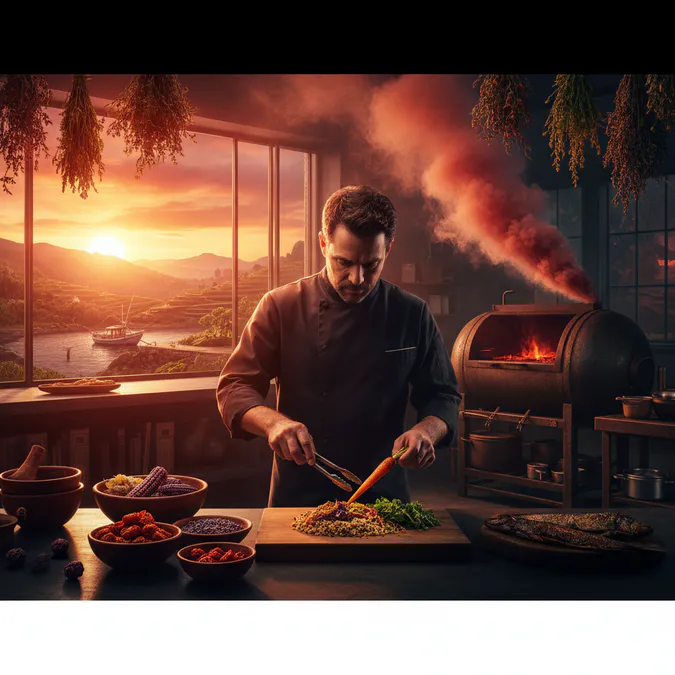
Chefs are highlighting local ingredients on their menus, often crediting specific farms or producers by name. This transparency builds trust with diners and creates a narrative around the food they're eating. Seasonal menus are becoming more prominent, as restaurants adapt their offerings based on what's available locally rather than relying on year-round imports. The practice reduces carbon footprints while allowing chefs to work with peak-season produce that offers superior flavor and nutritional value.
Beyond ingredient sourcing, restaurants are examining their entire supply chains. Many establishments now track water usage, packaging waste, and energy consumption. Some are implementing composting programs, reducing single-use plastics, and partnering with suppliers who share their environmental values. This comprehensive approach to sustainability resonates with environmentally conscious diners who view their dining choices as votes for the kind of food system they want to support.
Plant-Based and Flexitarian Options
While plant-based dining has been growing for several years, 2026 marks a significant shift in how restaurants approach vegetarian and vegan options. Rather than treating plant-based dishes as afterthoughts, restaurants are creating innovative, flavorful plant-forward meals that appeal to flexitarians—people who eat meat occasionally but primarily focus on plant-based foods. Industry data suggests that 39% of Americans actively try to include plant-based meals in their diet, making this a mainstream rather than niche market.
This trend reflects changing consumer attitudes toward protein sources and environmental impact. Restaurants are experimenting with alternative proteins, including legumes, grains, mushrooms, and innovative plant-based products that offer both nutritional value and culinary appeal. The focus is on creating satisfying, delicious meals that happen to be plant-based, rather than simply removing meat from traditional dishes. Chefs are developing techniques to create depth of flavor and textural complexity that rivals meat-based preparations.
High-end restaurants are particularly embracing this trend, with some establishments featuring plant-based tasting menus that rival their meat-focused counterparts in sophistication and price point. This elevation of plant-based cuisine signals a fundamental shift in how the industry views vegetarian cooking—not as a limitation, but as a creative opportunity. The result is more diverse menus that appeal to a broader range of dietary preferences and values.
Global and Fusion Flavors
Food trends in 2026 continue to celebrate global cuisines and creative fusion concepts. Diners are increasingly adventurous, seeking authentic flavors from around the world while also appreciating innovative combinations that blend culinary traditions. This trend reflects America's growing cultural diversity and consumers' desire to explore new taste experiences. Research indicates that 68% of diners actively seek out cuisines from cultures different from their own, demonstrating strong appetite for global flavors.
Restaurants are moving beyond superficial fusion to create thoughtful combinations that respect culinary traditions while introducing new perspectives. Chefs are traveling, studying traditional techniques, and collaborating with international culinary experts to bring authentic global flavors to their menus. This approach creates more meaningful dining experiences and supports cultural appreciation through food. Rather than appropriating cuisines, many restaurants are now partnering with immigrant chefs and communities to ensure authenticity and fair representation.
The global food trend extends beyond menu offerings to restaurant design, service styles, and ingredient sourcing. Restaurants are importing specialty ingredients directly from source countries, training staff in cultural context, and creating dining experiences that educate as well as nourish. This commitment to authenticity and cultural respect elevates the dining experience while supporting international food producers and communities.
Health-Conscious Dining
Consumers are increasingly focused on how food impacts their health, driving significant changes in restaurant menus. Food trends for 2026 include greater transparency about nutritional information, ingredient sourcing, and preparation methods. Restaurants are responding by offering more options for specific dietary needs, including gluten-free, dairy-free, low-sodium, and allergen-conscious choices. Industry surveys show that 62% of diners check nutritional information before ordering, making transparency a competitive advantage.
The focus on functional foods—ingredients known for specific health benefits—is also growing substantially. Restaurants are incorporating superfoods, probiotics, fermented ingredients, and nutrient-dense options into their menus. This trend reflects a broader shift toward preventive health through nutrition, with diners viewing food as medicine rather than simply sustenance. Chefs are learning about nutritional science and working with dietitians to create menus that support wellness goals.
Beyond individual dishes, restaurants are redesigning entire menus around health principles. Some establishments now offer macro-balanced options, anti-inflammatory menus, or gut-health-focused selections. This personalization of nutrition reflects growing consumer understanding that one-size-fits-all nutrition advice is outdated. Restaurants that can accommodate diverse health needs and preferences position themselves as partners in their customers' wellness journeys.
Technology and Personalization
Technology is increasingly influencing food trends and dining experiences in 2026. Restaurants are using data analytics to understand customer preferences and personalize menu offerings. Digital menus, online ordering, and delivery platforms continue to evolve, making dining more convenient and accessible. Advanced point-of-sale systems track customer preferences, allowing restaurants to make personalized recommendations and create customized menus based on individual dietary needs and taste profiles.
Beyond convenience, technology enables restaurants to track ingredient sourcing, manage inventory more efficiently, and reduce food waste. Some establishments are experimenting with augmented reality menus that provide detailed information about dishes, including nutritional data, sourcing information, and chef's notes. This integration of technology enhances the dining experience while supporting operational efficiency. Blockchain technology is also emerging as a tool for supply chain transparency, allowing diners to trace ingredients back to their source.
Artificial intelligence is beginning to influence menu development, with some restaurants using predictive analytics to anticipate food trends and customer preferences. This data-driven approach to culinary innovation allows chefs to balance creativity with customer satisfaction. The result is menus that feel both innovative and accessible, appealing to adventurous diners while maintaining familiar favorites.
Nostalgia and Comfort Food Evolution
While food trends often emphasize innovation, 2026 also sees a continued appreciation for comfort food—reimagined with modern techniques and quality ingredients. Restaurants are taking classic dishes and elevating them with premium ingredients, creative presentations, and thoughtful flavor combinations. This trend reflects consumer desire for familiar, satisfying meals that also feel special and intentional. Comfort food represents a psychological anchor, particularly valuable during times of uncertainty or change.
Chefs are exploring the nostalgia factor while respecting culinary traditions and incorporating contemporary elements. They're sourcing heritage grains, reviving forgotten recipes, and reinterpreting childhood favorites through a sophisticated lens. The result is comfort food that feels both timeless and current—dishes that evoke warm memories while introducing unexpected flavor dimensions. This approach appeals to diners across generations, from those seeking to relive cherished meals to younger customers discovering classic dishes for the first time.
The evolution of comfort food also reflects changing demographics and cultural backgrounds. Restaurants are expanding the definition of comfort food beyond traditional American fare to include beloved dishes from diverse cultural traditions. This inclusive approach to comfort dining celebrates the varied backgrounds of American communities while creating spaces where everyone can find familiar, nourishing food.
Minimal Waste and Nose-to-Tail Cooking
Sustainability extends to how restaurants use ingredients, with nose-to-tail and root-to-stem cooking becoming increasingly common. Chefs are finding creative ways to use every part of an ingredient, reducing waste while creating unique, flavorful dishes. This approach reflects both environmental consciousness and culinary creativity. Research indicates that food waste represents approximately 30-40% of the food supply in the United States, making waste reduction a critical sustainability priority.
Restaurants are developing menus that minimize food waste, using vegetable scraps for stocks, animal bones for broths, and creative preparations for less-commonly used cuts of meat. Carrot-top pesto, broccoli stem carpaccio, and beef cheek preparations are becoming menu staples rather than novelties. This trend supports sustainability goals while often reducing costs and creating more interesting menu items. Chefs are also collaborating with food rescue organizations to donate usable food that would otherwise be discarded.
The nose-to-tail movement extends beyond the kitchen to consumer education. Restaurants are teaching diners about ingredient utilization, explaining why certain cuts or parts appear on menus, and building appreciation for the resourcefulness involved. This transparency transforms waste reduction from a behind-the-scenes operational concern into a visible expression of restaurant values that resonates with environmentally conscious customers.
Cultural and Social Responsibility
Food trends in 2026 increasingly reflect broader social values. Restaurants are considering the ethical implications of their sourcing, from fair-trade coffee to responsibly sourced seafood. Diners want to know that their dining choices support fair labor practices and environmental stewardship. Industry research shows that 54% of consumers are willing to pay premium prices for ethically sourced food, demonstrating that social responsibility is not just a values statement but a market reality.
Many restaurants are becoming more transparent about their supply chains and actively supporting social causes. This might include sourcing from minority-owned farms, supporting food security initiatives, implementing fair wage practices, or partnering with organizations addressing food insecurity. These commitments resonate with socially conscious consumers who view dining as an opportunity to support their values. Some restaurants are dedicating portions of proceeds to community organizations, creating direct connections between dining and social impact.
The social responsibility trend also encompasses labor practices within restaurants themselves. Progressive establishments are implementing living wages, comprehensive benefits, professional development opportunities, and inclusive hiring practices. These commitments to staff wellbeing are increasingly visible to consumers and influence dining decisions. Restaurants that demonstrate genuine commitment to social responsibility—both in sourcing and in internal practices—build stronger customer loyalty and attract talented employees who share their values.
Frequently Asked Questions About Food Trends in 2026
What are the most important food trends for 2026?
The most significant food trends for 2026 include sustainability and local sourcing, plant-based and flexitarian options, global and fusion flavors, health-conscious dining, technology integration, comfort food evolution, minimal waste practices, and social responsibility. These trends reflect consumer priorities around health, environmental impact, cultural appreciation, and ethical consumption.
How can restaurants adapt to these food trends?
Restaurants can adapt by evaluating their supply chains for sustainability, developing plant-based menu options, exploring global cuisines authentically, providing nutritional transparency, implementing technology solutions, elevating comfort food offerings, reducing waste through creative utilization, and demonstrating commitment to social responsibility. The most successful restaurants will integrate multiple trends rather than adopting isolated changes.
Are these food trends permanent or temporary?
Many of these food trends reflect fundamental shifts in consumer values rather than temporary fads. Sustainability, health consciousness, and ethical consumption are likely to remain priorities. However, specific manifestations of these trends—particular cuisines, ingredients, or techniques—may evolve. Restaurants that understand the underlying values driving these trends will be better positioned to adapt as specific preferences change.
How do food trends affect home cooking?
Restaurant food trends influence home cooking through ingredient availability, recipe inspiration, and shifting expectations about nutrition and sustainability. As restaurants emphasize local sourcing and plant-based options, consumers become more interested in these approaches at home. Social media amplifies this effect, allowing home cooks to access restaurant-quality techniques and inspiration.
Which food trends offer the best business opportunities?
The most promising opportunities exist at the intersection of multiple trends—restaurants that combine sustainability with health-conscious dining, or global flavors with plant-based options, for example. Niche concepts addressing specific dietary needs or cultural cuisines also show strong potential. Technology integration and supply chain transparency create operational advantages that support profitability alongside values alignment.
Key Takeaways
Understanding food trends for 2026 helps both diners and restaurant operators make informed decisions. For diners, these trends indicate that restaurants are increasingly focused on quality, sustainability, health, and meaningful dining experiences. For operators, staying aware of these trends helps ensure menus remain relevant and appealing to evolving consumer preferences. The convergence of environmental consciousness, health awareness, cultural curiosity, and technological capability creates unprecedented opportunities for restaurants willing to innovate thoughtfully.
The food trends shaping 2026 menus reflect a maturation of the restaurant industry. Rather than chasing novelty, restaurants are focusing on substance—better ingredients, more thoughtful preparation, greater transparency, and alignment with consumer values. These trends suggest that the future of dining is about creating meaningful experiences that nourish both body and values. Success in this evolving landscape requires understanding not just what diners want to eat, but why they want to eat it.
As we move into 2026, the restaurant industry continues to demonstrate its ability to adapt and innovate. By understanding these food trends, diners can seek out restaurants that align with their preferences, while operators can position themselves to meet evolving customer expectations. The result is a more vibrant, responsible, and delicious dining landscape that reflects the values and aspirations of contemporary consumers. Whether you're a restaurant professional or a conscious diner, engaging with these trends offers opportunities to support the kind of food system you want to see thrive.