
The food landscape is undergoing a significant transformation as we enter 2026. According to a comprehensive study by NellyRodi and TheFork, food trends 2026 are being shaped by social media discovery, artificial intelligence, and innovative ingredients that are fundamentally changing how restaurants operate and how diners experience food. This convergence of technology and culinary innovation presents both opportunities and challenges for the restaurant industry worldwide.
The research identifies nine major food trends that will define 2026, reflecting broader shifts in consumer preferences, technological adoption, and wellness consciousness. These trends go beyond simple flavor preferences—they represent a complete reimagining of the dining experience in the digital age. Understanding these food trends 2026 is essential for restaurants, chefs, and food enthusiasts looking to stay ahead of the curve.
Table of Contents

- Technology Meets Tradition
- Texture and Sensory Innovation
- Wellness and Functional Foods
- The Wellness Movement in Italian Cuisine
- New Flavors and Ingredient Innovation
- The Role of Personalization
- Sustainability and Responsibility
- Navigating the Digital-Culinary Balance
- What This Means for Diners
- Frequently Asked Questions
Technology Meets Tradition: AI and Food Trends 2026
Artificial intelligence is no longer a distant concept in the restaurant world. In 2026, AI applications are becoming practical tools that enhance customer experience and operational efficiency. From personalized menu recommendations based on dietary preferences and past orders to predictive analytics that help restaurants manage inventory and reduce food waste, AI is becoming integ
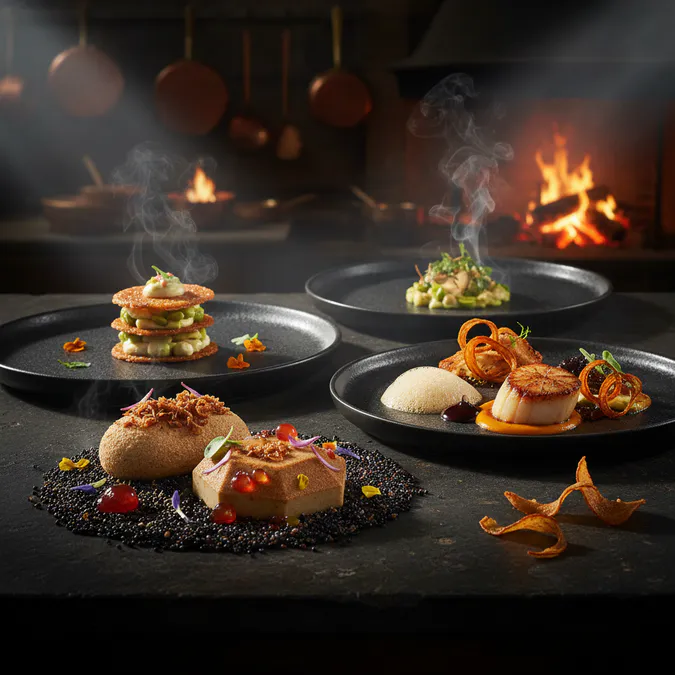
Social discovery represents another crucial shift in food trends 2026. Rather than relying solely on traditional marketing or word-of-mouth recommendations, restaurants are increasingly discovered through social media platforms. This means that visual presentation, shareable moments, and social media engagement have become as important as the food itself. Restaurants are designing dishes and dining experiences specifically with social media in mind, creating Instagram-worthy presentations that encourage diners to share their experiences online.
Industry experts note that the combination of AI-driven personalization and social media discovery creates a powerful ecosystem where restaurants can reach new customers while simultaneously deepening relationships with existing patrons. This dual approach represents a fundamental shift in how dining establishments market themselves and interact with their audiences. Research indicates that restaurants leveraging both AI and social strategies see significantly higher customer engagement and retention rates.
Texture and Sensory Innovation
One of the most interesting trends identified in the study involves texture experimentation and sensory innovation. Mousse-based dishes and aromatic butters are gaining prominence as chefs explore new ways to create memorable eating experiences. These techniques allow chefs to deconstruct traditional dishes and present them in unexpected ways, engaging multiple senses and creating conversation-starting presentations.
The focus on texture reflects a broader culinary movement toward sophistication and refinement. Rather than simply adding more ingredients or increasing portion sizes, modern chefs are concentrating on how food feels in the mouth, how flavors develop across the palate, and how different textures interact. This approach elevates the dining experience and justifies premium pricing in an increasingly competitive market.
Research indicates that diners increasingly value the sensory experience of eating, not just the taste. Texture innovation appeals to this desire for multisensory engagement, making dishes more memorable and more likely to be shared on social platforms—a key component of food trends 2026. Culinary professionals emphasize that texture-forward cooking represents one of the most significant shifts in contemporary dining.
Wellness and Functional Foods
Health consciousness continues to drive food trends in 2026. Fermented foods and plant-based proteins are becoming mainstream rather than niche offerings. Fermentation, an ancient preservation technique, is experiencing a renaissance due to its proven health benefits, including improved digestive health and enhanced nutrient bioavailability.
Fermented ingredients like miso, tempeh, kombucha, and naturally fermented vegetables are appearing on restaurant menus not as exotic additions but as core components of thoughtfully designed dishes. These ingredients add depth of flavor while delivering functional health benefits that appeal to increasingly health-conscious diners. The integration of fermented foods into food trends 2026 reflects a broader recognition that traditional preservation methods align perfectly with modern wellness goals.
Plant-based proteins are similarly evolving beyond simple vegetarian substitutes. Rather than attempting to replicate meat, innovative chefs are celebrating plant proteins for their unique qualities. Legumes, nuts, seeds, and innovative plant-based alternatives are being incorporated into dishes that showcase their distinct flavors and textures. This shift reflects both environmental consciousness and the recognition that plant-based eating can be delicious and satisfying.
Research suggests that approximately 40% of diners now actively seek plant-based options, even if they don't identify as vegetarian. This trend has transformed plant proteins from a niche offering into a central component of contemporary food trends 2026. Industry data shows that restaurants featuring plant-based proteins prominently report increased customer satisfaction and repeat visits.
The Wellness Movement in Italian Cuisine
The integration of wellness principles into Italian cuisine represents an interesting evolution within food trends 2026. Italian food has always emphasized fresh, quality ingredients and balanced meals, but the 2026 trends show a more explicit focus on functional benefits. Restaurants are increasingly highlighting nutritional information, sourcing practices, and health benefits alongside traditional culinary descriptions.
This doesn't mean Italian cuisine is becoming unrecognizable. Rather, it's evolving to meet contemporary health concerns while maintaining its essential character. Traditional Italian cooking methods—slow cooking, fermentation, use of whole grains—align naturally with modern wellness principles, making this transition relatively seamless.
The wellness movement in Italian restaurants also emphasizes transparency. Diners want to know where ingredients come from, how they're prepared, and what nutritional benefits they provide. This transparency builds trust and positions restaurants as partners in their customers' health journeys, a key aspect of food trends 2026. Chefs report that customers increasingly ask about ingredient sourcing and preparation methods before ordering.
New Flavors and Ingredient Innovation
Beyond fermented foods and plant proteins, the study highlights the importance of new and unexpected flavors entering kitchens worldwide. This reflects the increasing globalization of food culture and the willingness of chefs to experiment while respecting culinary traditions. New flavor profiles might include unexpected spice combinations, unusual herbs, or ingredients from different culinary traditions.
However, the key to success in 2026 is integration rather than appropriation—incorporating these new elements in ways that feel authentic and intentional rather than gimmicky. Food trends 2026 emphasize respectful culinary fusion that honors both traditional cooking methods and international influences.
Chefs are finding that the most successful new flavor innovations come from understanding the underlying principles of cuisine and applying them to new ingredients. This approach creates dishes that feel both innovative and authentic, appealing to diners seeking novelty without sacrificing the integrity of culinary traditions. Culinary experts note that ingredient innovation requires deep knowledge of flavor chemistry and cultural context.
The Role of Personalization in Food Trends 2026
AI-driven personalization is transforming how restaurants interact with customers. Rather than offering a static menu, forward-thinking establishments are using data and AI to suggest dishes tailored to individual preferences, dietary restrictions, and past dining history. This level of personalization creates stronger customer relationships and increases satisfaction.
Personalization extends beyond menu recommendations. It includes customized dining experiences, tailored wine pairings, and even adjusted cooking techniques based on individual preferences. This approach transforms dining from a one-size-fits-all experience into something uniquely suited to each guest, a defining characteristic of food trends 2026.
The technology enabling this personalization is becoming increasingly sophisticated. Machine learning algorithms can identify patterns in dining preferences, predict what dishes a customer might enjoy, and even suggest optimal timing for menu updates based on seasonal availability and customer preferences. This data-driven approach to personalization represents a significant evolution in how restaurants understand and serve their customers. Industry professionals emphasize that personalization technology is becoming essential for competitive restaurant operations.
Sustainability and Responsibility
While not explicitly listed as a separate trend, sustainability underpins many of the food trends 2026. The focus on plant-based proteins, fermented foods, and reduced food waste through AI inventory management all contribute to more sustainable restaurant operations. Diners in 2026 increasingly expect restaurants to demonstrate environmental and social responsibility.
This includes sourcing practices, packaging choices, waste reduction, and fair labor practices. Restaurants that can authentically communicate their commitment to sustainability gain competitive advantages and attract conscious consumers. Industry research indicates that sustainability considerations now influence dining decisions for over 60% of restaurant-goers, making it a critical component of food trends 2026.
Sustainable practices also align with the wellness movement. Locally sourced, seasonal ingredients tend to be fresher and more nutritious, while reduced food waste contributes to more efficient operations. This synergy between sustainability and wellness makes both concerns central to food trends 2026. Research shows that restaurants implementing sustainability initiatives report improved brand loyalty and customer retention.
Navigating the Digital-Culinary Balance
As restaurants embrace AI and social media discovery, maintaining authenticity becomes increasingly important. The most successful establishments in 2026 will be those that leverage technology to enhance rather than replace human connection and culinary artistry. Technology should serve the food and the dining experience, not overshadow it.
The challenge for restaurants is particularly nuanced. Cuisine has deep traditions and strong cultural identity. Incorporating AI, social media optimization, and new ingredients requires careful balance to maintain authenticity while embracing innovation. Food trends 2026 reward restaurants that can navigate this balance successfully.
The key is viewing technology as a tool for enhancing rather than replacing the core dining experience. AI should help restaurants understand their customers better and serve them more effectively. Social media should amplify authentic culinary excellence rather than drive the creation of inauthentic "Instagram-bait" dishes. When technology serves these purposes, it becomes a natural extension of good restaurant practice rather than a distraction from it. Culinary leaders emphasize that technology integration must always prioritize the dining experience.
What Food Trends 2026 Means for Diners
For restaurant-goers, these trends translate into more personalized, health-conscious, and visually engaging dining experiences. Menus will be more tailored to individual needs, dishes will be more thoughtfully presented, and restaurants will be more discoverable through social platforms. The integration of wellness principles means more options for health-conscious diners without sacrificing flavor or satisfaction.
Diners can expect greater transparency about ingredients, sourcing, and nutritional content. They'll benefit from AI-powered recommendations that help them discover new dishes aligned with their preferences. They'll also experience more innovative presentations and flavor combinations as chefs embrace both tradition and experimentation. Food trends 2026 ultimately promise a more personalized, conscious, and innovative dining landscape.
Frequently Asked Questions About Food Trends 2026
What are the 9 main food trends 2026?
The nine main food trends 2026 include: AI-driven personalization, social media discovery, texture and sensory innovation, fermented foods, plant-based proteins, new flavor integration, sustainability practices, wellness consciousness, and digital-culinary balance. These trends collectively represent how technology, health awareness, and culinary innovation are reshaping the dining landscape.
How will AI impact food trends 2026 in restaurants?
AI will impact food trends 2026 through personalized menu recommendations, predictive inventory management, waste reduction, and enhanced customer relationship management. Restaurants using AI can better understand customer preferences, optimize operations, and create more tailored dining experiences. This technology enables restaurants to serve customers more effectively while improving their bottom line.
Are fermented foods really a major trend in food trends 2026?
Yes, fermented foods are a significant component of food trends 2026. These foods offer proven health benefits including improved digestion and enhanced nutrient absorption. Beyond health benefits, fermented ingredients add complexity and depth to dishes, making them appealing to both health-conscious diners and culinary enthusiasts. Ingredients like miso, tempeh, and kombucha are becoming standard menu items rather than specialty offerings.
How do plant-based proteins fit into food trends 2026?
Plant-based proteins are central to food trends 2026 due to both health and environmental considerations. Rather than serving as meat substitutes, innovative chefs are celebrating plant proteins for their unique qualities. Legumes, nuts, seeds, and plant-based alternatives are being featured in dishes that showcase their distinct flavors and textures, appealing to a broad range of diners.
What role does social media play in food trends 2026?
Social media discovery is a defining characteristic of food trends 2026. Restaurants are increasingly discovered through social platforms, making visual presentation and shareability crucial. This has led to more thoughtfully designed dishes and dining experiences created with social media in mind. However, successful restaurants balance this with authentic culinary excellence rather than creating dishes solely for their visual appeal.
How can restaurants stay current with food trends 2026?
Restaurants can stay current with food trends 2026 by: implementing AI-powered personalization systems, optimizing their social media presence, incorporating fermented and plant-based ingredients, focusing on texture and sensory innovation, emphasizing sustainability practices, and maintaining transparency about sourcing and nutrition. The key is integrating these trends authentically rather than adopting them superficially.
Will traditional cuisine disappear due to food trends 2026?
No, traditional cuisine will not disappear. Food trends 2026 show that restaurants are successfully evolving while maintaining their culinary identity. Traditional cooking methods—slow cooking, fermentation, use of whole grains—naturally align with modern wellness and sustainability principles. The evolution represents an enhancement rather than a replacement of culinary traditions.
How do food trends 2026 affect home cooking?
Food trends 2026 influence home cooking through increased availability of fermented ingredients, plant-based proteins, and specialty items in grocery stores. Home cooks are also adopting wellness principles and sustainability practices. Additionally, social media and online resources make it easier for home cooks to discover new recipes and techniques inspired by professional chefs embracing these trends.
Key Takeaways
The food trends 2026 represent a convergence of technology, wellness consciousness, and culinary innovation. Restaurants that successfully navigate this landscape will be those that embrace AI and social media while maintaining their culinary integrity and cultural authenticity. The focus on new textures, fermented foods, plant-based proteins, and personalized experiences reflects broader shifts in how we eat, discover food, and think about health and sustainability.
Food trends 2026 demonstrate that the future of dining is not about choosing between tradition and innovation, but rather about thoughtfully integrating both. Restaurants that view technology as a tool for enhancing rather than replacing human connection and culinary artistry will thrive. As these trends continue to evolve, the restaurants that succeed will be those that remain committed to quality, authenticity, and genuine customer care while embracing the tools and ingredients that modern dining offers.
For diners, food trends 2026 promise more personalized, health-conscious, and innovative dining experiences. Whether you're seeking wellness-focused options, exploring new flavors, or simply looking for restaurants that leverage technology to serve you better, the landscape of 2026 offers exciting possibilities. The convergence of these trends creates a dining environment where quality, innovation, and personal preference can all coexist harmoniously.