
The year 2026 is shaping up to be a pivotal one for the food industry, marked by a fascinating interplay of nostalgia, innovation, and a desire for unique sensory experiences. Two key food trends are already dominating discussions among chefs, food scientists, and consumers alike: 'newstalgia' and 'swangy'. These concepts represent more than just fleeting fads; they reflect a deeper shift in how we perceive and interact with food.
'Newstalgia' encapsulates the yearning for familiar flavors and dishes from the past, reimagined with a modern twist. Think classic comfort foods elevated with unexpected ingredients or innovative cooking techniques. 'Swangy,' on the other hand, describes a flavor profile that is both sophisticated and approachable, often characterized by a balance of sweet, savory, spicy, and tangy notes. This trend reflects a growing consumer interest in complex and layered flavors that tantalize the taste buds.
Table of Contents

- Diving Deeper into Newstalgia
- Exploring the Swangy Flavor Profile
- The Impact on the Food Industry
- Frequently Asked Questions
- Key Takeaways
Diving Deeper into Newstalgia Food Trends
At its core, 'newstalgia' is about tapping into the emotional connection people have with food. It's about evoking memories of childhood, family gatherings, and simpler times. However, it's not simply a matter of replicating old recipes. Instead, chefs are taking these familiar dishes as a starting point and then adding their own creative flair.
Research indicates
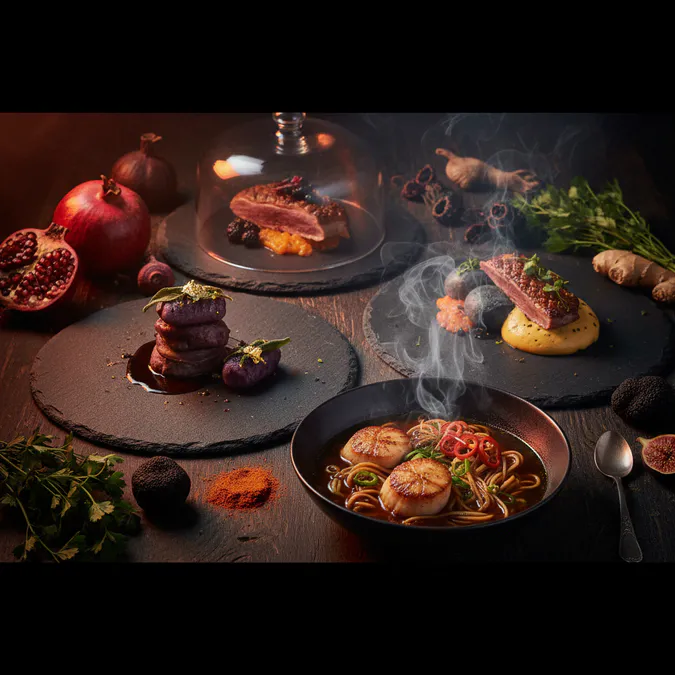
Examples of Newstalgia in Action:
- Gourmet Grilled Cheese: Classic grilled cheese sandwiches are getting a makeover with gourmet cheeses like brie, Gruyère, and fontina, along with additions like caramelized onions, fig jam, and prosciutto. This elevated version maintains the comfort factor while introducing sophisticated flavor layers.
- Elevated Chicken Noodle Soup: This comforting soup is being reimagined with homemade noodles, roasted chicken, and a variety of fresh herbs and vegetables. Chefs are adding bone broth bases and artisanal pasta to create a more refined version of the childhood favorite.
- Deconstructed S'mores: The classic campfire treat is being transformed into elegant desserts with homemade graham crackers, artisanal marshmallows, and gourmet chocolate. This approach preserves the nostalgic appeal while elevating the presentation and ingredient quality.
- Reimagined Meatloaf: Traditional meatloaf is being reinvented with grass-fed beef, specialty breadcrumbs, and gourmet glazes featuring ingredients like balsamic vinegar and Dijon mustard.
- Upscale Pot Pie: Chicken pot pie is receiving a gourmet treatment with puff pastry, organic vegetables, and herb-infused cream sauces.
Exploring the Swangy Flavor Profile in Food Trends
'Swangy' flavors are all about creating a harmonious balance of different taste sensations. This culinary approach is driven by a growing consumer interest in global cuisines and a desire for more adventurous eating experiences. Industry experts note that the modern palate has become increasingly sophisticated, with diners seeking complexity and depth in their dining experiences. Chefs are experimenting with a wide range of ingredients and techniques to create dishes that are both exciting and satisfying.
Think of dishes that combine the sweetness of fruit with the heat of chili peppers, or the savory richness of umami with the tanginess of citrus. The key is to find the right balance and create a flavor profile that is both complex and approachable. This culinary movement reflects a growing sophistication in consumer palates and a willingness to try new and exciting flavor combinations. The swangy approach emphasizes layering multiple taste dimensions to create memorable dining moments.
Examples of Swangy Flavors in Action:
- Spicy Watermelon Salad: This refreshing salad combines the sweetness of watermelon with the heat of chili peppers, along with the tanginess of lime juice and the saltiness of feta cheese. The interplay of these four taste elements creates a complex yet balanced flavor experience.
- Umami-Rich Ramen: Ramen is being elevated with umami-rich ingredients like kombu, shiitake mushrooms, and miso paste, creating a deeply flavorful and satisfying broth. This approach demonstrates how traditional dishes can be enhanced through thoughtful ingredient selection.
- Sweet and Savory Glazed Meats: Glazes that combine sweet and savory elements, such as maple syrup and soy sauce, are being used to add depth and complexity to grilled and roasted meats. These culinary innovations showcase the appeal of unexpected flavor pairings.
- Citrus-Spiced Fish: Fish dishes featuring bright citrus notes combined with warming spices like cumin and coriander create the swangy balance consumers crave.
- Herb-Infused Desserts: Desserts incorporating herbs like basil, rosemary, or thyme alongside traditional sweet elements represent this sophisticated approach to flavor development.
The Impact on the Food Industry
These emerging food trends are poised to have a significant impact on the food industry in 2026 and beyond. Restaurants, food manufacturers, and retailers will need to adapt to meet the changing demands of consumers. This means embracing innovation, experimenting with new flavors and ingredients, and creating dining experiences that are both memorable and satisfying.
For restaurants, this could mean revamping menus to include more 'newstalgic' dishes with a modern twist, or creating 'swangy' flavor combinations that appeal to adventurous eaters. Food manufacturers will need to develop new products that reflect these culinary movements, such as gourmet versions of classic snacks or sauces with complex and layered flavors. Retailers will need to curate their shelves to offer a wider variety of ingredients and products that cater to these evolving tastes.
The implications of these food trends extend beyond menus and product lines. Supply chain management, ingredient sourcing, and culinary training programs will all need to evolve to support the demand for premium, innovative, and globally-inspired cuisine. Chefs and food professionals must develop skills in flavor balancing, ingredient pairing, and the art of reimagining classics.
Frequently Asked Questions About Food Trends
What exactly is newstalgia in food trends?
Newstalgia refers to the practice of taking classic, nostalgic dishes and reimagining them with modern techniques, premium ingredients, and creative presentations. It taps into emotional connections with familiar foods while elevating them to fine dining standards. This approach to food trends allows consumers to enjoy the comfort of beloved dishes with a contemporary twist.
How do swangy flavors differ from other food trends?
Swangy flavors specifically focus on balancing multiple taste sensations—sweet, savory, spicy, and tangy—within a single dish. Unlike other food trends that might emphasize a single flavor profile, swangy approaches create complexity through the interplay of contrasting tastes. This method appeals to adventurous diners seeking sophisticated flavor experiences.
Why are these food trends gaining popularity in 2026?
These food trends reflect broader consumer desires for authenticity, innovation, and emotional connection with food. After years of minimalist and health-focused dining trends, consumers are seeking richer experiences that combine nostalgia with sophistication. The rise of global food awareness also contributes to the popularity of complex, internationally-inspired flavor profiles.
How can restaurants implement these food trends?
Restaurants can adopt these food trends by conducting menu audits to identify classic dishes that can be reimagined, investing in staff training for advanced flavor pairing techniques, and sourcing premium ingredients that support both newstalgia and swangy approaches. Collaboration with local producers and international suppliers can enhance the authenticity of these food trends.
What ingredients are essential for swangy food trends?
Key ingredients for swangy food trends include umami-rich elements like miso and soy sauce, fresh citrus fruits, quality spices, artisanal vinegars, and premium proteins. The focus is on sourcing high-quality, complementary ingredients that can be layered to create balanced, complex flavor profiles characteristic of these food trends.
Key Takeaways
- 'Newstalgia' and 'swangy' are the defining food trends of 2026, reflecting a desire for both comfort and innovation in dining experiences.
- 'Newstalgia' involves reimagining classic dishes with modern twists, tapping into emotional connections with food while maintaining their essential character.
- 'Swangy' flavors are characterized by a balance of sweet, savory, spicy, and tangy notes, reflecting a growing interest in global cuisines and sophisticated palate development.
- The food industry must adapt to these food trends by embracing innovation, investing in staff training, and creating dining experiences that are both memorable and satisfying.
- Consumer psychology plays a significant role in the success of these food trends, with nostalgia and complexity driving engagement and loyalty.
- Both newstalgia and swangy food trends emphasize quality ingredients, creative presentation, and the art of flavor balancing.
The Bottom Line
The food trends of 2026 are all about creating a more exciting and satisfying culinary landscape. By embracing 'newstalgia' and 'swangy' flavors, chefs, food manufacturers, and retailers can cater to the evolving tastes of consumers and create dining experiences that are both memorable and delicious. These food trends represent a maturation of consumer preferences, moving beyond simple health consciousness toward a more holistic appreciation of food's emotional, cultural, and sensory dimensions. The future of food is here, and it's looking both familiar and refreshingly new, offering endless possibilities for culinary innovation and consumer delight.