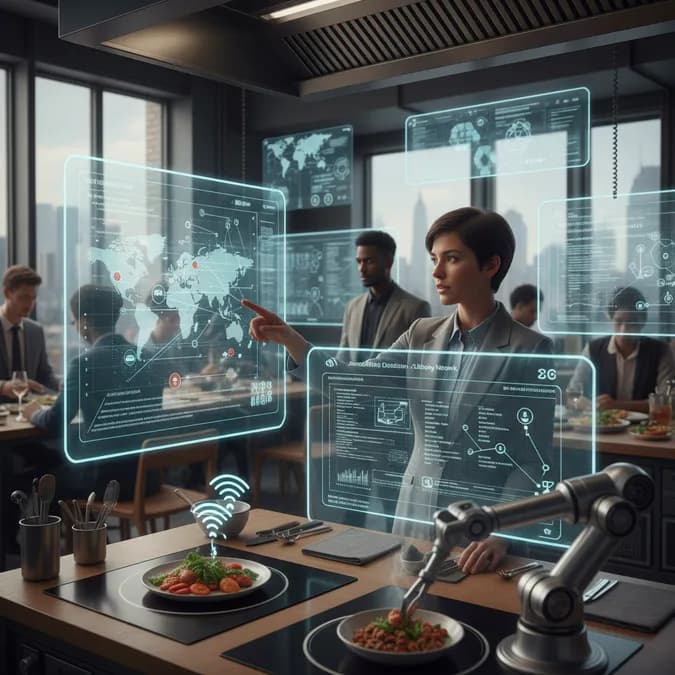
The food and beverage industry is in constant flux, driven by evolving consumer preferences, technological advancements, and global events. Predicting the future of food is a complex task, but by leveraging data-driven insights, we can gain a clearer picture of what to expect in the coming years. This article delves into the food trends expected to dominate in 2026, providing essential information for restaurants, food manufacturers, and anyone interested in the future of food.
Understanding the Forces Shaping Food Trends

Before diving into specific predictions, it's crucial to understand the underlying forces shaping the food landscape. Several key factors are at play:
- Technological Innovation: Artificial intelligence (AI), machine learning, and data analytics are revolutionizing how we understand consumer behavior and predict future trends. Companies like Tastewise are using AI to analyze vast amounts of data from social media, restaurant menus, and online reviews to identify emerging patterns.
- Changing Consumer Preferences: Consumers are becoming more health-conscious, environmentally aware, and adventurous in their food choices. They are seeking out sustainable options, plant-based alternatives, and unique flavor experiences.
- Globalization: The increasing interconnectedness of the world is leading to a greater exchange of culinary ideas and ingredients. Consumers are becoming more familiar with international cuisines and are eager to try new and exotic flavors.
- Economic Factors: Economic conditions, such as inflation and supply chain disruptions, can significantly impact food prices and consumer spending habits. Restaurants and food manufacturers need to be agile and adapt to these changing economic realities.
Key Food Trends Predicted for 2026
Based on current data and emerging patterns, here are some of the key food trends predicted to gain traction in 2026:
1. Personalized Nutrition
Consumers are increasingly interested in personalized nutrition plans tailored to their individual needs and preferences. This trend is driven by advancements in genetic testing, wearable technology, and AI-powered nutrition apps. In 2026, we can expect to see more restaurants and food manufacturers offering customized meal options and personalized dietary recommendations.
2. Plant-Based Innovation
The plant-based movement continues to gain momentum, with consumers seeking out meat and dairy alternatives for health, environmental, and ethical reasons. In 2026, we can expect to see even more innovative plant-based products hitting the market, including new types of plant-based proteins, dairy-free cheeses, and vegan desserts.
3. Sustainable Sourcing and Upcycling
Sustainability is becoming a major concern for consumers, who are increasingly demanding that restaurants and food manufacturers adopt more environmentally friendly practices. This includes sourcing ingredients from sustainable farms, reducing food waste, and upcycling food byproducts into new products. In 2026, we can expect to see more restaurants and food manufacturers prioritizing sustainability and transparency in their supply chains.
4. Global Flavors and Fusion Cuisine
Consumers are becoming more adventurous in their food choices and are eager to try new and exotic flavors from around the world. This trend is driving the growth of fusion cuisine, which combines elements of different culinary traditions to create unique and exciting dishes. In 2026, we can expect to see more restaurants experimenting with global flavors and fusion techniques.
5. Functional Foods and Beverages
Consumers are increasingly interested in foods and beverages that offer health benefits beyond basic nutrition. This includes products that are fortified with vitamins, minerals, and other nutrients, as well as those that contain probiotics, prebiotics, and other functional ingredients. In 2026, we can expect to see more functional foods and beverages hitting the market, targeting specific health concerns such as immunity, gut health, and cognitive function.
6. Technology-Driven Dining Experiences
Technology is transforming the restaurant industry, from online ordering and delivery to automated cooking and robotic servers. In 2026, we can expect to see even more technology-driven dining experiences, such as virtual reality menus, personalized recommendations, and contactless payment options.
The Role of AI in Predicting Food Trends
As mentioned earlier, AI is playing an increasingly important role in predicting food trends. AI-powered platforms like Tastewise analyze vast amounts of data to identify emerging patterns and predict future trends with greater accuracy. These platforms can help restaurants and food manufacturers make more informed decisions about product development, menu planning, and marketing strategies.
What This Means for Restaurants and Food Manufacturers
The food trends predicted for 2026 present both challenges and opportunities for restaurants and food manufacturers. To succeed in this rapidly evolving landscape, businesses need to be:
- Agile and Adaptable: Be prepared to adapt to changing consumer preferences and market conditions.
- Data-Driven: Use data analytics to understand consumer behavior and identify emerging trends.
- Innovative: Experiment with new ingredients, flavors, and technologies.
- Sustainable: Prioritize sustainability and transparency in your supply chain.
- Customer-Centric: Focus on providing personalized and engaging dining experiences.
The Bottom Line
The food and beverage industry is undergoing a period of rapid transformation, driven by technological innovation, changing consumer preferences, and global events. By understanding the key food trends predicted for 2026, restaurants and food manufacturers can position themselves for success in the years to come. Embracing innovation, sustainability, and customer-centricity will be crucial for navigating this dynamic landscape and meeting the evolving needs of consumers.
Key Takeaways
- Personalized nutrition and plant-based innovation are on the rise.
- Sustainability and upcycling will be critical for consumer trust.
- Global flavors and fusion cuisine will continue to excite diners.
- Functional foods will cater to health-conscious consumers.
- Technology will enhance dining experiences and operational efficiency.
Frequently Asked Questions
What are the main food trends for 2026?
The main food trends for 2026 include personalized nutrition, plant-based innovation, sustainable sourcing, global flavors, functional foods, and technology-driven dining experiences.
How can restaurants prepare for these food trends?
Restaurants can prepare by staying informed about consumer preferences, investing in technology, and prioritizing sustainability in their operations.
Why is sustainability important in food trends?
Sustainability is important as consumers are increasingly demanding environmentally friendly practices and transparency in sourcing ingredients.