Discover the top food trends for 2026, focusing on authenticity, health, and sensory experiences that are shaping the future of the F&B industry.
Food Trends 2026: Insights into the Future of F&B and Restaurant Culture
The food and beverage landscape is undergoing a significant transformation as we approach 2026. Driven by economic uncertainty, evolving wellness priorities, and a growing consumer demand for authenticity, the industry is adapting to new cultural shifts. In this comprehensive article, we will explore the top food trends 2026 identified by Tastewise, a market intelligence platform that leverages AI to forecast food trends. From emerging flavor profiles to predictions about the future of dining, this report provides valuable insights for industry professionals and food enthusiasts alike.
Key Takeaways
The food industry is shifting towards authenticity, with consumers rejecting artificial products.
Personalized health approaches, termed 'Body OS,' are becoming mainstream.
Sensory maximalism is defining dining experiences, emphasizing richer textures and flavors.
Health considerations are the primary driver for plant-based food choices
, surpassing environmental concerns.
Overview of Trends
The 2026 Food & Beverage Forecast Report from Tastewise identifies four major cultural pivots reshaping consumer eating habits:
Rejection of Artificial Products: Consumers are increasingly favoring authentic foods, with discussions around 'authentic' foods growing by 31% year-over-year. This trend reflects a broader desire for transparency and quality in food sourcing.
Personalized Health Approaches: The concept of 'Body OS' is gaining traction, where individuals tailor their diets to optimize personal health. This shift emphasizes the importance of health and wellness in food choices.
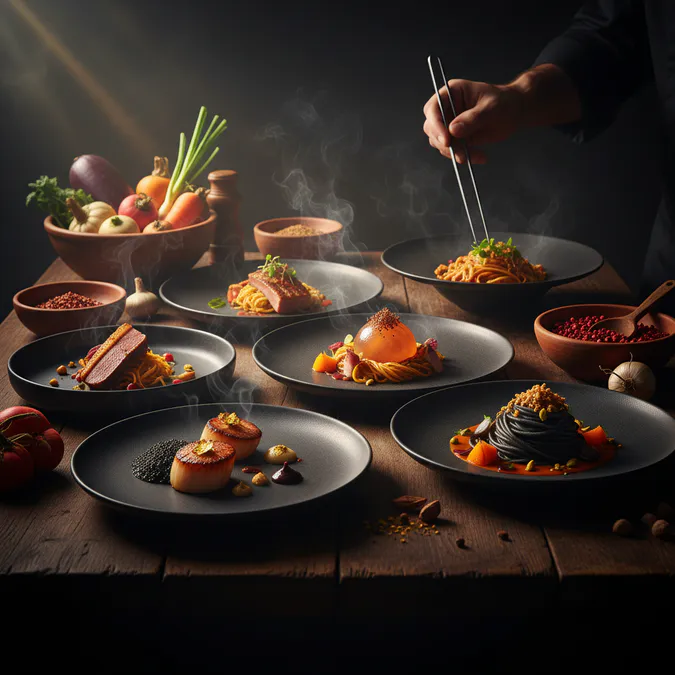
Sensory Maximalism: Dining experiences are evolving to include richer, louder, and more layered food experiences. This trend is characterized by heightened textures, aromas, and flavors, creating a more immersive eating experience.
Food as Identity: Food is increasingly viewed as an expression of personal identity and lifestyle control. Consumers are using their food choices to communicate their values and preferences.
These trends indicate that food is no longer just about sustenance; it has become a vehicle for personal expression and health optimization.
Flavor Profiles
The flavor landscape is also evolving, with new profiles emerging that cater to the changing tastes of consumers. One notable trend is the rise of sweet-spicy fusion flavors, termed 'Swicy.' Major brands, including Lay's Chips, have already trademarked this term as it gains momentum in the market.
Additionally, the demand for premium meat cuts has surged by 157%, indicating a resurgence in meat consumption. This growth is particularly notable as interest in protein is now growing three times faster in the meat category compared to plant-based alternatives. Other significant flavor trends include:
Functional Ingredients: Ingredients like matcha, lion's mane, and probiotics are becoming mainstream, appearing in recipes, retail products, and restaurant menus.
Hybrid Formats: Flexitarian consumers are driving innovation towards hybrid plant-based formats, such as blended burgers and chicken-mushroom nuggets, rather than traditional meat substitutes.
This evolution in flavor profiles reflects a broader consumer shift towards richer and more diverse culinary experiences.
Predictions for the Future
Looking ahead, the food and beverage industry is expected to continue evolving in response to these trends. Here are some key predictions:
Increased Demand for Authentic Foods: As consumers continue to prioritize authenticity, brands that focus on transparency and quality sourcing will likely thrive.
Health-Centric Product Development: With health being the primary driver for plant-based choices (5.3 times more important than environmental concerns), we can expect an increase in health-focused product innovations.
Sensory Experiences in Dining: Restaurants will increasingly focus on creating immersive dining experiences that engage multiple senses, catering to the growing demand for sensory maximalism.
Zero-Waste Cooking: Interest in zero-waste cooking is expanding, with consumers seeking dining experiences that emphasize reduced food waste and full ingredient utilization.
As noted by Alon Chen, CEO and Co-founder of Tastewise, "The industry is shifting fast: brands are rethinking how they create, market, and sell with customers at the center and new technologies in hand. The takeaway for 2026 is clear: the brands that embrace these shifts with agility and vision won't just keep pace. They'll define what comes next" [Source: Perfumer & Flavorist].
In conclusion, the food and beverage trends for 2026 reflect a significant cultural shift towards authenticity, health, and sensory experiences. As consumers increasingly view food as an expression of identity and lifestyle, industry players must adapt to these changes to remain relevant and successful. By embracing these trends, brands can position themselves at the forefront of the evolving food landscape.
The main food trends for 2026 include a focus on authenticity, personalized health approaches, sensory maximalism, and food as an expression of identity.
How is health influencing food choices?
Health considerations are becoming the primary driver for food choices, especially in the plant-based category, where health is prioritized over environmental concerns.
What is sensory maximalism?
Sensory maximalism refers to the trend of creating richer, more immersive dining experiences that engage multiple senses through heightened textures, aromas, and flavors.
Why is zero-waste cooking important?
Zero-waste cooking is important as it emphasizes sustainability and responsible consumption, appealing to consumers who are increasingly aware of food waste issues.
Explore the top culinary trends of 2026, including nostalgic flavors, plant-based innovations, and sustainability, shaping the future of dining experiences.
Explore the 10 essential food trends for 2026 that are reshaping dining, from next-gen comfort foods to sustainability and technology-driven experiences.