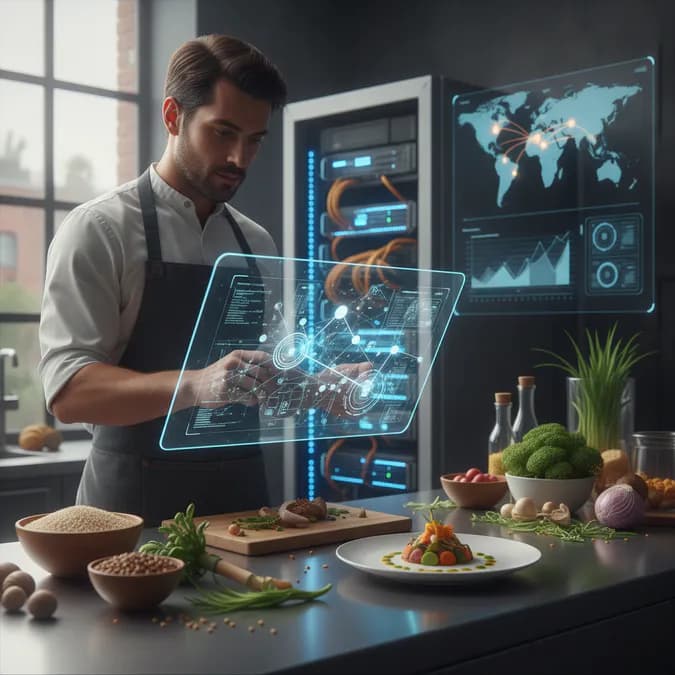
Understanding the Changing Food Landscape
The food industry is heavily influenced by consumer preferences, technological advancements, and global events. In recent years, the rise of social media has accelerated the pace at which trends emerge and fade. As we look ahead to 2026, several overarching themes are shaping the culinary world, particularly the emerging food trends that independent restaurants must consider.
Sustainability Takes Center Stage
One of the most significant trends in 2026 is the heightened focus on sustainability. Consumers are increasingly aware of the environmental impact of their food choices, leading to a demand for sustainable practices in restaurants. Here are some key aspects of this trend:
- Locally Sourced Ingredients: Independent restaurants are prioritizing local sourcing to reduce their carbon footprint and support local economies.
- Plant-Based Options: The popularity of plant-based diets continues to rise, prompting restaurants to expand their vegetarian and vegan offerings.
- Waste Reduction: Innovative approaches to minimize food waste, such as composting and creative repurposing of ingredients, are becoming essential.
Technology Integration in Dining
Technology is reshaping the dining experience in 2026. From online reservations to contactless payments, restaurants are leveraging technology to enhance customer convenience and streamline operations. Key technological trends include:
- Mobile Ordering: Customers increasingly prefer to order food through apps, making it crucial for restaurants to have a user-friendly mobile presence.
- AI and Personalization: Artificial intelligence is being used to analyze customer preferences and tailor menus accordingly, creating a more personalized dining experience.
- Virtual Reality Experiences: Some forward-thinking restaurants are experimenting with virtual reality to create immersive dining experiences that engage customers in new ways.
Health and Wellness Focus
As health consciousness continues to rise, independent restaurants must adapt their menus to cater to this trend. In 2026, consumers are looking for meals that not only taste good but also promote well-being. Consider the following:
- Functional Foods: Ingredients that offer health benefits, such as superfoods and probiotics, are becoming increasingly popular.
- Transparency in Ingredients: Diners want to know where their food comes from and how it’s prepared, making ingredient transparency a priority.
- Mindful Eating: Restaurants are encouraged to promote portion control and mindful eating practices to align with health trends.
Adapting to Consumer Preferences
Understanding consumer preferences is crucial for independent restaurants looking to thrive in 2026. Here are some insights into what diners are seeking:
- Unique Flavor Profiles: Diners are increasingly adventurous, seeking bold and unique flavors that offer a memorable experience.
- Global Influences: The fusion of global cuisines is gaining popularity, with diners eager to explore new culinary traditions.
- Experiential Dining: Consumers are looking for more than just a meal; they want an experience that engages their senses and creates lasting memories.
Marketing Strategies for 2026
To effectively reach and engage customers, independent restaurants must adopt innovative marketing strategies. Here are some approaches to consider:
- Social Media Engagement: Utilize platforms like Instagram and TikTok to showcase dishes, share behind-the-scenes content, and connect with your audience.
- Influencer Collaborations: Partnering with food influencers can help amplify your restaurant’s reach and attract new customers.
- Community Involvement: Engage with the local community through events, sponsorships, and collaborations with local businesses to build brand loyalty.
What This Means for Independent Restaurants
As we navigate the food trends of 2026, independent restaurants must be proactive in adapting to these changes. Embracing sustainability, integrating technology, focusing on health, and understanding consumer preferences are essential for success. By staying informed and responsive to these trends, independent restaurants can create memorable dining experiences that resonate with today’s consumers.
The Bottom Line
In conclusion, the food trends of 2026 present both challenges and opportunities for independent restaurants. By embracing these trends and implementing innovative strategies, restaurants can not only survive but thrive in a competitive landscape. The key is to remain adaptable, informed, and committed to delivering exceptional dining experiences that meet the evolving needs of consumers.
Key Takeaways
- Focus on sustainability by sourcing local ingredients and reducing waste.
- Integrate technology to enhance customer experience and streamline operations.
- Adapt menus to cater to health-conscious consumers with functional foods.
- Engage with customers through innovative marketing strategies and community involvement.
Frequently Asked Questions
What are the top food trends for 2026?
The top food trends for 2026 include sustainability, technology integration, and a focus on health and wellness.
How can independent restaurants adapt to these trends?
Independent restaurants can adapt by sourcing local ingredients, utilizing technology for convenience, and creating health-focused menus.
Why is sustainability important in the food industry?
Sustainability is important because consumers are increasingly aware of the environmental impact of their food choices and prefer restaurants that prioritize eco-friendly practices.