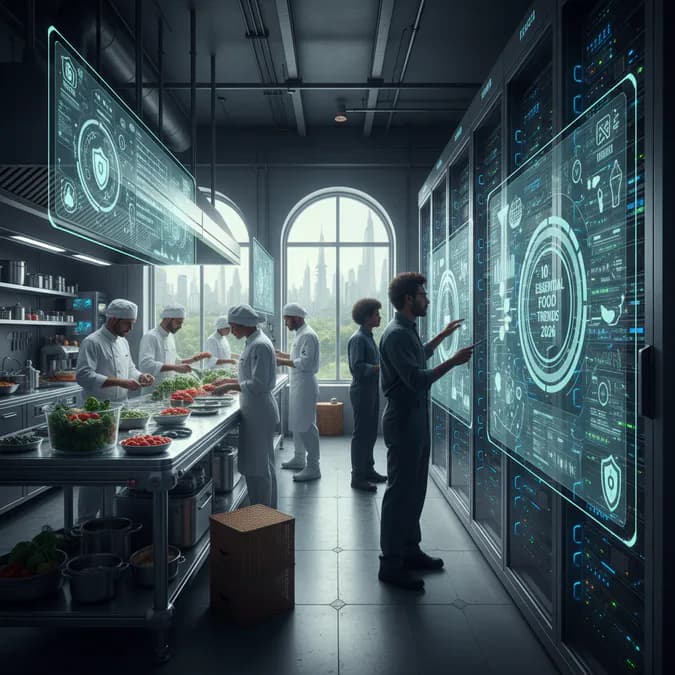
The food and beverage industry is constantly evolving, driven by changing consumer preferences, technological advancements, and a growing awareness of health and sustainability. Predicting the future is never easy, but by analyzing current trends and emerging patterns, we can gain valuable insights into what the culinary landscape might look like in the coming years. This article explores some of the key food trends anticipated to gain traction by 2026, offering a glimpse into the future of dining and food consumption.
Key Drivers Shaping the Future of Food
Several factors are converging to reshape the food and beverage industry. Understanding these drivers is crucial for anticipating future trends:
- Sustainability: Concerns about climate change, resource depletion, and food waste are driving demand for sustainable food production and consumption practices.
- Health and Wellness: Consumers are increasingly focused on their health and well-being, seeking out foods that are nutritious, minimally processed, and free from artificial ingredients.
- Technology: Innovations in food technology, such as precision fermentation, cellular agriculture, and AI-powered food personalization, are creating new possibilities for food production and consumption.
- Globalization: The increasing interconnectedness of the world is leading to greater exposure to diverse cuisines and flavors, driving demand for authentic and innovative culinary experiences.
- Convenience: Busy lifestyles are fueling demand for convenient food options, such as ready-to-eat meals, meal kits, and online food delivery services.
Top Food and Beverage Trends to Watch in 2026
Based on these key drivers, here are some of the top food and beverage trends expected to gain momentum by 2026:
1. Plant-Based Everything
Plant-based alternatives to meat, dairy, and eggs are already experiencing rapid growth, and this trend is expected to continue. By 2026, we can expect to see even more innovative and diverse plant-based products, including:
- Plant-based seafood alternatives made from seaweed, algae, and other plant-based ingredients.
- Plant-based cheeses that mimic the taste and texture of traditional dairy cheeses.
- Plant-based egg replacements that can be used in baking and cooking.
2. Sustainable Sourcing and Upcycled Ingredients
Consumers are increasingly concerned about the environmental impact of their food choices. This is driving demand for sustainably sourced ingredients and upcycled food products, which are made from food waste or byproducts.
3. Personalized Nutrition
Advances in technology are making it possible to personalize nutrition based on individual needs and preferences. By 2026, we can expect to see more personalized meal plans, supplements, and food products that are tailored to individual genetic profiles, health conditions, and lifestyle factors.
4. Functional Foods and Beverages
Functional foods and beverages are those that offer health benefits beyond basic nutrition. This category includes products that are fortified with vitamins, minerals, probiotics, and other beneficial ingredients. Expect to see more innovative functional foods and beverages that target specific health concerns, such as immunity, gut health, and cognitive function.
5. Global Flavors and Fusion Cuisine
The increasing globalization of the food industry is leading to greater exposure to diverse cuisines and flavors. By 2026, we can expect to see more restaurants and food companies experimenting with global flavors and fusion cuisine, creating exciting and innovative culinary experiences.
6. Technology-Driven Food Experiences
Technology is transforming the way we experience food, from online ordering and delivery to interactive dining experiences. By 2026, we can expect to see even more technology-driven food experiences, such as:
- AI-powered food recommendations and personalized menus.
- Virtual reality dining experiences that transport diners to different locations and cultures.
- Robotic chefs and bartenders that can prepare meals and drinks on demand.
7. Transparency and Traceability
Consumers are demanding greater transparency about the origins and production methods of their food. This is driving demand for traceability systems that allow consumers to track their food from farm to table.
8. Alternative Proteins
Beyond plant-based options, alternative proteins like cultivated meat (lab-grown meat) and insect-based foods are gaining traction as sustainable and ethical sources of protein. While widespread adoption may still be some time away, expect to see increased research, development, and availability of these alternative protein sources.
9. The Rise of the "Climatarian" Diet
As awareness of the environmental impact of food production grows, the "climatarian" diet is gaining popularity. This diet focuses on choosing foods that have a lower carbon footprint, such as locally sourced produce, plant-based proteins, and sustainably raised seafood.
10. At-Home Culinary Experiences
The pandemic accelerated the trend of at-home cooking and dining. Expect to see continued growth in meal kits, online cooking classes, and gourmet food delivery services that cater to consumers who want to create restaurant-quality meals at home.
11. Focus on Food Waste Reduction
With growing awareness of food waste's environmental and economic impact, expect to see more initiatives focused on reducing food waste at all stages of the supply chain, from farms and restaurants to households. This includes innovative packaging solutions, improved inventory management, and consumer education campaigns.
The Bottom Line
The food and beverage industry is poised for significant transformation in the coming years. By understanding the key drivers and emerging trends, businesses and consumers can prepare for a future where food is more sustainable, personalized, and technologically advanced. Embracing these changes will be crucial for success in the evolving culinary landscape.
Key Takeaways
- Expect a rise in plant-based food options and sustainable sourcing.
- Personalized nutrition will become more prevalent with technological advancements.
- Global flavors and fusion cuisine will continue to innovate dining experiences.
- Transparency in food sourcing will be a priority for consumers.
- Alternative proteins and the climatarian diet will gain popularity.
FAQ
What are the main food trends for 2026?
The main food trends for 2026 include plant-based alternatives, sustainable sourcing, personalized nutrition, and technology-driven food experiences.
How is technology influencing food trends?
Technology is influencing food trends through innovations like AI-powered recommendations, virtual reality dining, and personalized nutrition plans.
What is a climatarian diet?
A climatarian diet focuses on choosing foods with a lower carbon footprint, emphasizing local produce and sustainable proteins.