
Overview of 2026 Food Trends
The food landscape in 2026 is being shaped by a powerful combination of economic pressures, health consciousness, and culinary experimentation. As grocery prices remain elevated, the food trends 2026 reveal what consumers truly desire.
Unlike previous years dominated by a single "big trend," 2026 is characterized by diverse movements reflecting different consumer priorities. Some are dri
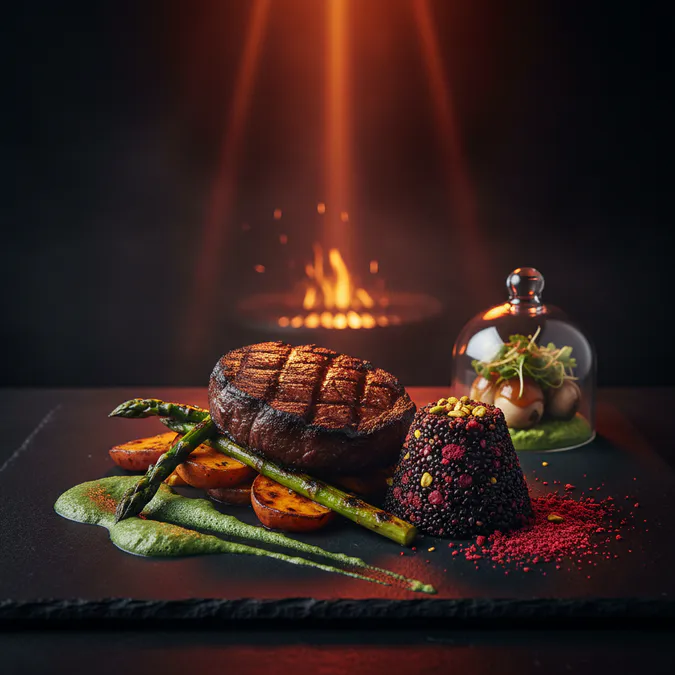
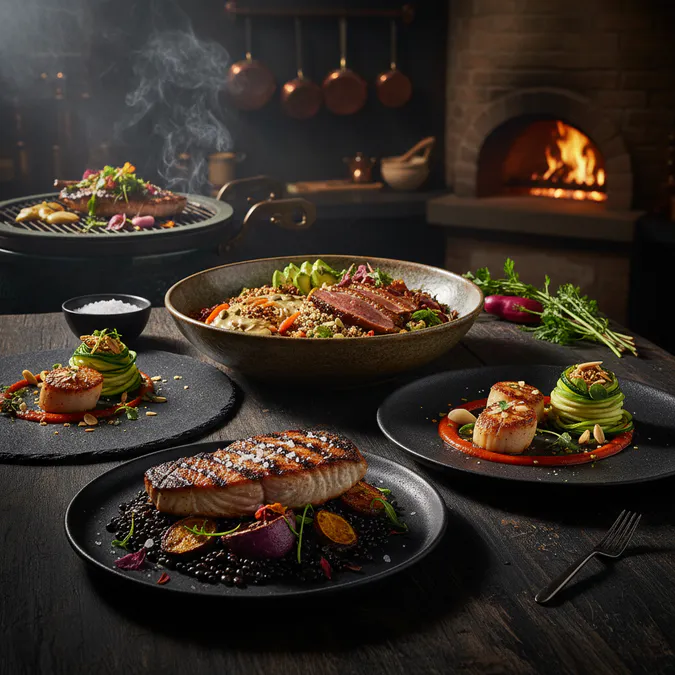
Key Takeaways
The dominant food trends of 2026 include smaller portions, high-protein menus, beef tallow, gut-health foods, and unusual food combinations. These trends are directly connected to rising grocery prices and shifting consumer preferences. Price sensitivity is reshaping what appears on shelves and menus, with one-quarter of consumers saying they lack the money to experiment with new foods. At the same time, health-focused eating continues to drive demand for protein-forward snacks, fiber-rich products, and fermented foods that support digestive wellness.
Smaller Portions: Addressing Affordability and Waste
One of the most visible shifts in 2026 is the move toward smaller, more intentional portions. This trend addresses two simultaneous consumer concerns: the rising cost of food and the desire to reduce waste.
As grocery prices remain high, consumers are gravitating toward snack-style eating and portioned products that feel more affordable and manageable. Refrigerated snack bars have posted impressive 18.9% sales growth, reflecting strong demand for portable, pre-portioned options that blur the line between traditional meals and snacks [Source: Penn State Extension]. These products appeal to busy consumers who want convenience without the commitment of a full meal, and they align with budget-conscious shopping patterns.
Restaurants and food brands are responding by reimagining portion sizes and meal formats. Rather than offering oversized plates, many establishments are focusing on smaller, more refined portions that feel intentional rather than skimpy. This approach allows consumers to feel satisfied while spending less, and it creates opportunities for brands to emphasize quality over quantity.
The smaller-portions trend also reflects broader concerns about food waste. By offering appropriately sized servings, restaurants and packaged-food companies can help consumers avoid throwing away uneaten food—a concern that resonates especially strongly with environmentally conscious shoppers.
High-Protein Menus: Health and Fitness Focus
Protein has become one of the most prominent nutrition cues across food categories in 2026. Whether driven by fitness goals, weight management, or simply the desire to feel fuller longer, consumers are actively seeking protein-forward options.
This trend manifests across multiple formats: protein-enriched snacks, high-protein breakfast items, and restaurant menus that highlight protein content. The appeal is broad, spanning fitness enthusiasts, older adults concerned about muscle maintenance, and everyday consumers who view protein as a marker of nutritional quality.
Refrigerated yogurt sales have grown by 13.2%, driven largely by its dual appeal as both a protein source and a gut-health food [Source: Penn State Extension]. Yogurt's versatility—whether eaten plain, used as a base for parfaits, or incorporated into savory dishes—makes it an ideal vehicle for the protein trend.
Beyond yogurt, brands are launching protein-enriched versions of traditional foods: pasta with added protein, protein bars positioned as convenient snacks, and even protein-forward baked goods. This democratization of protein means consumers no longer need to rely solely on chicken breasts and protein powders to meet their nutritional goals.
Beef Tallow: Revival of Traditional Cooking
Perhaps the most surprising trend gaining momentum in 2026 is the comeback of beef tallow as a cooking fat. Once considered outdated, tallow is experiencing a renaissance in both home kitchens and professional restaurant settings.
Beef tallow—rendered beef fat—is prized for its high smoke point, rich flavor, and perceived nutritional benefits. It's being used for frying, roasting, and even as a base for traditional cooking methods that emphasize ingredient quality and traditional techniques. The tallow trend reflects a broader consumer interest in "traditional" ingredients and cooking methods that feel authentic and less processed than modern alternatives.
This revival is part of a larger movement toward nose-to-tail cooking and ingredient transparency. Consumers are increasingly interested in understanding where their food comes from and how it's prepared, and tallow represents a return to time-honored culinary practices. The trend also appeals to those following certain dietary approaches that emphasize whole foods and traditional fats over modern seed oils.
Whole Foods Market's 2026 trend predictions specifically highlighted tallow as a key category for the year, signaling mainstream acceptance of this traditional ingredient [Source: Whole Foods Market].
Gut-Health Foods: The Microbiome Movement
The connection between digestive health and overall wellness has moved from niche health circles into mainstream consumer consciousness. In 2026, gut-health foods are appearing across multiple categories, from breakfast cereals to snack bars to beverages.
Fermented foods, prebiotic fibers, and probiotic-rich products are at the center of this trend. Consumers are actively seeking yogurt, kefir, sauerkraut, kimchi, and other fermented items that support digestive wellness. According to Whole Foods Market's trend analysts, "consumers are looking for products with added fiber hitting the shelves, like pastas, breads, crackers and bars" [Source: Whole Foods Market].
The gut-health trend is supported by growing scientific research linking digestive health to immune function, mental health, and overall wellness. This scientific backing gives consumers confidence that they're making meaningful health choices when they select gut-health products.
Brands are responding by reformulating existing products to include fiber, probiotics, and prebiotics. Pasta made with added fiber, crackers with functional ingredients, and snack bars designed to support digestive health are becoming standard offerings rather than specialty items. This shift represents a fundamental change in how food companies approach product development, with digestive health becoming a baseline expectation rather than a premium feature.
Unusual Food Combinations: Culinary Experimentation
While budget constraints are pushing many consumers toward familiar comfort foods, a parallel trend celebrates bold, unexpected flavor combinations and culinary experimentation. This trend is particularly visible in restaurants and among consumers seeking novelty and social media-worthy dishes.
Global flavors, unusual texture combinations, and nostalgic formats reimagined for modern tastes are helping brands and restaurants stand out in a crowded marketplace. According to MICHELIN Guide inspectors, "there's no single 'big trend' shaping menus anymore. Instead, a handful of ingredients are quietly stepping into the spotlight" [Source: MICHELIN Guide].
This trend reflects the influence of social media on food culture. Diners are seeking experiences and dishes that are visually interesting and conversation-starting. Restaurants are responding with creative combinations that blend cuisines, play with textures, and challenge conventional flavor pairings.
Interestingly, this trend coexists with the comfort-food movement. Consumers are simultaneously seeking both the reassurance of familiar foods and the excitement of culinary experimentation. Brands that can bridge this gap—offering nostalgic formats with unexpected twists—are finding particular success. This duality reflects the complexity of modern consumer preferences, where different eating occasions call for different approaches.
The Driving Forces: Economics and Consumer Preferences
Understanding these trends requires examining the economic and psychological factors driving them. Rising grocery prices and stagnant wages have made consumers significantly more price-conscious. According to research cited by the Institute of Food Technologists, one-quarter of consumers overall say they don't have the money to experiment with new foods. This figure jumps to 40% among Gen Z consumers, indicating that younger shoppers are especially price-sensitive [Source: IFT citing FMI].
This economic reality is pushing consumers toward familiar comfort foods that feel like a safe investment. Rather than experimenting with unfamiliar products, budget-conscious shoppers are gravitating toward trusted brands and foods they know they'll enjoy. This trend benefits established comfort-food brands and explains why nostalgic formats are experiencing renewed popularity.
At the same time, health consciousness remains a powerful driver of food choices. Consumers want to feel good about what they're eating, and they're willing to pay for products that deliver on health promises. This creates an interesting dynamic where consumers are simultaneously seeking affordability and premium health benefits.
Convenience is another critical factor shaping 2026 food trends. Frozen meals, snackable formats, and portable options continue to gain traction as consumers juggle busy schedules. The rise of snack-style eating reflects not just budget constraints but also changing lifestyles and eating patterns. Consumers increasingly view meals as flexible and modular rather than fixed occasions, creating opportunities for brands that can deliver nutrition and satisfaction in convenient formats.
What This Means for the Food Industry
These trends have significant implications for restaurants, food manufacturers, and retailers. Success in 2026 requires understanding that consumers are not monolithic. Some are prioritizing price and familiarity, while others are seeking health benefits or culinary novelty. The most successful brands are those that can serve multiple consumer segments simultaneously.
For Restaurants
Restaurants are responding to these trends by offering both comforting classics and innovative dishes, with clear nutritional information and appropriately sized portions. Menu engineering has become critical, with establishments carefully balancing familiar favorites that drive traffic with innovative dishes that generate social media buzz and justify premium pricing. High-protein options are appearing alongside traditional offerings, and cooking techniques like fire cooking and tableside service are gaining prominence as diners seek more engaging dining experiences.
For Food Manufacturers
Food manufacturers are reformulating products to include functional ingredients like fiber and probiotics while maintaining affordability and familiar flavors. The challenge lies in meeting health expectations without dramatically increasing costs or changing the taste profiles consumers expect. Successful brands are finding ways to add nutritional value through ingredient substitutions and fortification rather than complete reformulations.
For Retailers
Retailers are expanding their offerings in categories like refrigerated snack bars, yogurt, and fiber-enriched products. They're also creating dedicated sections for gut-health foods and traditional ingredients like beef tallow, recognizing that consumers are actively seeking these items. Tastewise and other food trend analysis platforms are helping retailers understand which products will resonate with their specific customer bases [Source: Tastewise].
Cross-Category Opportunities
The most exciting opportunities exist at the intersection of these trends. Products that are simultaneously affordable, healthy, convenient, and interesting have the potential to capture significant market share. For example, a frozen meal that features high protein, added fiber, unusual global flavors, and an appropriately small portion size would address multiple consumer priorities simultaneously.
Frequently Asked Questions
What are the main food trends for 2026?
The main food trends for 2026 include smaller portions, high-protein menus, the revival of beef tallow, gut-health foods, and unusual food combinations.
Why are smaller portions becoming popular?
Smaller portions are becoming popular due to rising food costs and a growing awareness of food waste, making them an attractive option for both consumers and businesses.
How is the food industry responding to these trends?
The food industry is adapting by offering products that meet diverse consumer needs, such as health-focused, affordable, and innovative options that cater to different preferences and lifestyles.
The Bottom Line
The food trends of 2026 reflect a complex consumer landscape shaped by economic pressures, health consciousness, and the desire for both comfort and novelty. Smaller portions address affordability concerns while reducing waste. High-protein menus cater to health-focused consumers. Beef tallow represents a return to traditional cooking methods. Gut-health foods capitalize on growing awareness of digestive wellness. And unusual food combinations satisfy the human desire for culinary exploration and social media-worthy experiences.
These trends are not mutually exclusive. A single consumer might purchase a refrigerated snack bar (addressing affordability and convenience), choose a high-protein yogurt (supporting health goals), cook with beef tallow at home (embracing traditional methods), and dine at a restaurant serving bold global flavors (seeking novelty). Understanding this complexity is key to navigating the food landscape of 2026 and beyond.
As the food industry continues to evolve, the brands and restaurants that succeed will be those that recognize consumers are multifaceted in their preferences. They want value without sacrificing quality, health without sacrificing taste, and novelty without sacrificing familiarity. The food trends of 2026 show that these seemingly contradictory desires can coexist, creating unprecedented opportunities for innovation and growth in the food sector.
Sources
- Automated Pipeline
- The Next Big Things: Our Top Food Trend Predictions for 2026
- Food Trends 2026: The Ultimate F&B & Restaurant Report
- Top 10 Food Trends
- 7 Big Food Trends of 2026, According to Our MICHELIN Guide Inspectors
- Food Trends 2026
- Source: ircagroup.com
- Source: mccainfoodservice.com
- Source: italy.synergytaste.com
- Source: thasegawa.com