
The food and beverage landscape in 2026 is undergoing a fascinating transformation driven by two dominant flavor trends 2026: newstalgia and swangy. These terms represent a fundamental shift in how consumers approach eating, blending nostalgia with innovation, and comfort with culinary adventure. Understanding these flavor trends 2026 provides insight into what consumers want on their plates and how the food industry is responding to these evolving preferences.
Newstalgia represents the reimagining of beloved comfort foods with modern improvements and healthier alternatives. Rather than simply recreating the foods of our childhood, brands are enhancing them with better ingredients, nutritional profiles, and contemporary twists. This might mean a classic baked potato elevated with premium toppings and plant-based proteins, or a cinnamon roll made with whole grains and reduced sugar.
Swangy, meanwhile, describes a bold flavor combination that merges sweet, spicy, and tangy elements into a single harmonious experience. This trend reflects consumer desire for complexity and nuance in their food choices, moving beyond simple flavor profiles to embrace multidimensional taste experiences.
These flavor trends 2026 aren't isolated phenomena—they represent a broader consumer mindset shaped by economic pressures, cultural diversity, social media influence, and a desire to balance health with indulgence. Younger generations, particularly Gen Z and Millennials, are driving this shift with their willingness to experiment and their exposure to global cuisines.
Flavor Trends 2026: Newstalgia Reimagined
Newstalgia has emerged as one of the most significant food trends of 2026, capturing consumer desire for familiarity combined with improvement. This trend goes beyond simple nostalgia—it's about taking the foods that evoke childhood memories and making them better, healthier, and more aligned with contemporary values.
The concept reflects a deeper c
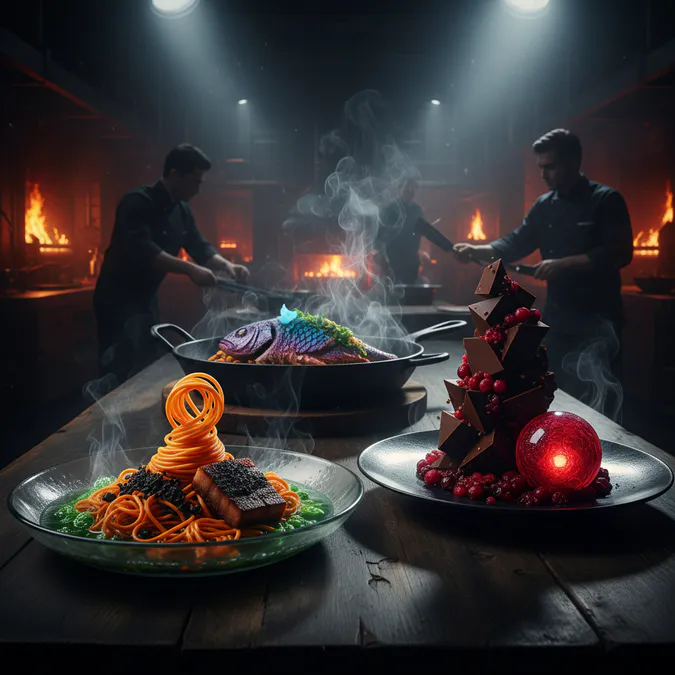
Newstalgia in Practice
Examples of newstalgia in action include sourdough bread experiencing a resurgence in popularity, with searches for artisanal sourdough reaching new heights based on 2024-2025 data tracked by Yelp. Cinnamon rolls, another nostalgic favorite, are being reimagined with whole grain flours, reduced sugar content, and premium fillings. Plant-based versions of classic dishes are gaining traction, allowing consumers to enjoy familiar flavors while aligning with dietary preferences or ethical concerns.
Research indicates that Gen Z and Millennials show 20% higher interest in newstalgia compared to Boomers, indicating that younger generations are particularly drawn to this blend of old and new. This demographic shift is reshaping how food manufacturers and restaurants approach menu development and product innovation.
The newstalgia trend also extends to beverage categories, where classic flavors are being reimagined with modern twists. Vintage soda flavors are returning with natural sweeteners, and traditional coffee preparations are being elevated with specialty ingredients and sustainable sourcing practices.
Understanding Swangy: Sweet, Spicy, and Tangy Convergence
Swangy represents an evolution in how consumers approach flavor complexity. The term itself is a portmanteau combining sweet, spicy, and tangy—three traditionally distinct flavor profiles that are now converging in innovative food and beverage products.
Industry experts describe swangy as "this idea - sweet, spicy, converging with tangy." This definition captures the essence of a trend that moves beyond simple flavor combinations to create truly integrated taste experiences where each element enhances the others.
Swangy Flavor Examples
Practical examples of swangy flavors include:
- Sweet chili sauce with lime
- Spicy fruit salsas
- Innovative condiments balancing heat with sweetness and acidity
- Vinegar chutneys with complex flavor profiles
- Miso caramel combinations
These flavor combinations are appearing across multiple food categories, from snacks and sauces to beverages and desserts. Related to swangy are complementary trends like swavory (sweet and savory) and swicy (sweet and spicy), which represent variations on the theme of flavor convergence. However, industry analysts predict that swangy and swavory will increasingly replace swicy in mainstream predictions, with examples including vinegar chutneys and miso caramel that showcase more sophisticated flavor integration.
The appeal of swangy lies in its complexity and the sensory adventure it offers. Consumers, particularly younger demographics, are seeking foods that challenge their palates and provide multidimensional taste experiences. This trend reflects broader culinary sophistication and willingness to embrace global flavor combinations that might have seemed unusual just a few years ago.
The Generational Drivers Behind These Trends
Gen Z and Millennials are the primary drivers of both newstalgia and swangy trends, and understanding their motivations is key to understanding the broader food landscape of 2026.
Consumer Appetite for Experimentation
Research indicates that 49% of Gen Z and 52% of Millennials love trying new types of foods and cuisines. This statistic is crucial because it demonstrates that younger consumers aren't simply seeking comfort—they're actively seeking adventure and novelty. The combination of newstalgia and swangy appeals to both impulses simultaneously: the comfort of familiar foods and the excitement of new flavor experiences.
Gen Z's ethnic diversity plays a particularly important role in accelerating demand for nuanced heat and global cuisines. Growing up in increasingly multicultural communities, this generation has natural exposure to diverse flavor profiles and cooking traditions. They're more likely to have tried authentic international cuisines and to appreciate the subtleties of different spice blends and flavor combinations.
Social Media as a Trend Accelerator
Social media, particularly TikTok, amplifies these generational preferences. Viral food trends spread rapidly through short-form video content, creating demand for products and flavors that capture attention and inspire sharing. This social media influence has become a significant driver of food trends, with certain flavors and products gaining massive popularity in weeks rather than years.
The influence of platforms like TikTok means that food trends are no longer determined solely by industry professionals or traditional media. Instead, consumers themselves become trend-setters, discovering and promoting flavors that resonate with their peers. This democratization of trend-setting has profound implications for how food companies approach innovation and marketing.
Global Flavors and Viral Influences
The intersection of global flavors and viral social media trends is creating unprecedented opportunities for food innovation in 2026. One striking example is cocada, a flavor that went viral on TikTok and sold quickly, demonstrating the power of social media to drive consumer demand.
Industry experts note that "people love to explore new flavors like 'cocada', which went viral and sold quickly on TikTok." This viral phenomenon isn't an isolated incident—it represents a broader pattern where global flavors are being discovered, celebrated, and rapidly integrated into mainstream food offerings.
The Mechanism of Viral Food Trends
The rise of global flavors reflects both the increasing diversity of consumer populations and the democratization of culinary knowledge through digital platforms. Consumers can now easily discover recipes, cooking techniques, and flavor combinations from around the world, then seek out products that deliver these experiences in convenient formats.
This trend has important implications for food manufacturers and restaurants. Success in 2026 requires understanding not just current flavor trends, but also the mechanisms through which trends spread and gain momentum. Companies that can identify emerging global flavors and adapt them for mainstream audiences while maintaining authenticity will have significant competitive advantages.
The cocada example demonstrates how a single viral moment can create significant market opportunity. Food companies are increasingly monitoring social media platforms to identify emerging flavors and consumer interests, then rapidly developing products to capitalize on these trends while they maintain momentum.
Health, Indulgence, and Sustainability Balance
One of the defining characteristics of 2026 food trends is the attempt to balance three sometimes-competing priorities: health, indulgence, and sustainability. Newstalgia and swangy both reflect this balancing act.
Health-Conscious Indulgence
Newstalgia products often incorporate health improvements—increased fiber, protein, reduced sugar, or plant-based ingredients—while maintaining the indulgent appeal of classic comfort foods. This approach acknowledges that consumers don't want to choose between health and pleasure; they want both.
The influence of GLP-1 medications on food trends is also noteworthy. As more consumers use these medications for weight management, food manufacturers are responding with products that deliver satisfaction and flavor in smaller portions. This has implications for how newstalgia products are formulated and marketed, with emphasis on nutrient density and satiety.
Sustainability and Ethical Sourcing
Sustainability concerns also influence flavor and ingredient choices. Climate-aware sourcing, reduced food waste, and environmentally responsible production methods are increasingly important to consumers, particularly younger demographics. Food companies are responding by highlighting sustainable sourcing in their newstalgia and swangy products, creating a narrative that connects flavor innovation with environmental responsibility.
This triple balance—health, indulgence, and sustainability—represents a significant challenge for food manufacturers, but also an opportunity. Companies that successfully deliver on all three fronts will appeal to the values and preferences of contemporary consumers, particularly younger demographics who prioritize these concerns.
What's Next for Food and Beverage Innovation
Industry research indicates that "the reason why these trends have lasted so long, and clearly seem to be here to stay, is for one simple reason: they aren't stagnant, they are dynamic." This observation is crucial for understanding the future of food trends. Rather than being temporary fads, newstalgia and swangy represent fundamental shifts in consumer preferences that will continue to evolve and adapt. Global flavors and nostalgia are becoming permanent market fixtures due to their dynamic evolution, constantly incorporating new influences and innovations.
Future Directions for Food Innovation
Looking ahead, we can expect to see:
- Continued experimentation with flavor combinations that blend sweet, spicy, and tangy elements
- Increased focus on health-conscious indulgence in newstalgia products
- Growing integration of global cuisines into mainstream food offerings
- Expansion of viral flavor trends from social media into retail products
- More sophisticated approaches to balancing health, indulgence, and sustainability
- Innovation in texture and ingredient combinations that enhance nostalgic appeal
The success of viral flavors like cocada suggests that social media will continue to play a crucial role in trend identification and acceleration. Food manufacturers and restaurants that understand these underlying consumer motivations—the desire for comfort combined with adventure, health combined with indulgence, and authenticity combined with innovation—will be best positioned to succeed in 2026 and beyond.
Companies like Symrise and other flavor innovation leaders are investing heavily in understanding these trends and developing ingredients and flavor solutions that enable food manufacturers to capitalize on newstalgia and swangy preferences. This industry-wide focus on trend-driven innovation suggests that 2026 will be a year of significant product launches and menu innovations across food and beverage categories.
FAQ: Flavor Trends 2026
What exactly is newstalgia in food trends?
Newstalgia refers to the reimagining of classic comfort foods with modern improvements. It combines the emotional appeal of nostalgic dishes with contemporary enhancements like better ingredients, improved nutrition, sustainable sourcing, and innovative preparation methods. Examples include whole-grain cinnamon rolls, artisanal sourdough bread, and plant-based versions of traditional dishes.
How do swangy flavors differ from other flavor trends?
Swangy represents a convergence of three distinct flavor profiles—sweet, spicy, and tangy—into a single integrated taste experience. Unlike simple flavor combinations, swangy creates multidimensional taste profiles where each element enhances the others. Examples include sweet chili sauce with lime, spicy fruit salsas, and miso caramel combinations.
Why are Gen Z and Millennials driving these flavor trends?
Gen Z and Millennials are driving these trends due to their exposure to diverse cuisines, multicultural backgrounds, and comfort with experimentation. Research shows that 49% of Gen Z and 52% of Millennials actively seek new food experiences. Additionally, their social media savvy amplifies trend discovery and acceleration through platforms like TikTok.
How do viral social media trends influence food innovation?
Viral food trends on platforms like TikTok can create significant market demand in weeks. The cocada example demonstrates how a single viral moment can lead to rapid product development and mainstream adoption. Food companies now monitor social media to identify emerging flavors and consumer interests, then develop products to capitalize on these trends.
Can newstalgia and swangy trends coexist with health-conscious eating?
Yes, absolutely. Newstalgia specifically addresses this by incorporating health improvements—increased fiber, protein, reduced sugar, and plant-based ingredients—while maintaining indulgent appeal. Both trends reflect consumer desire to balance health, indulgence, and sustainability simultaneously rather than choosing between them.
What makes these flavor trends sustainable long-term?
These trends are dynamic rather than stagnant, constantly incorporating new influences and innovations. They address fundamental consumer desires—comfort combined with adventure, familiarity with novelty, and health with indulgence—that will continue to evolve. This dynamic nature suggests newstalgia and swangy will remain relevant beyond 2026.
The Bottom Line
The flavor trends of 2026 tell a story about modern consumers and their evolving relationship with food. Newstalgia and swangy represent more than just new flavor combinations; they reflect deeper consumer desires for familiarity amid uncertainty, adventure through global cuisines, and the ability to balance multiple priorities simultaneously.
For consumers, these flavor trends 2026 offer exciting opportunities to discover new flavors while enjoying the comfort of familiar foods. For food industry professionals, understanding these trends is essential for developing products and menu items that resonate with contemporary audiences. The dynamic nature of these trends suggests they'll continue to evolve, incorporating new influences and innovations while maintaining their core appeal to consumers seeking both comfort and adventure on their plates.
Sources
- Automated Pipeline
- Food & Beverage Trends Defining 2025 & A Look Ahead to 2026
- Comfort, 'newstalgia' among top food trends to watch
- Food Trends 2026 - Penn State Extension
- The foods and flavors that could be 2026's newest trends - WGLT
- Nostalgia and Comfort Food Remixes Trends for 2026 - KitchenHub
- Source: blog.eatwellglobal.com
- Source: tablemagazine.com