
Introduction: From Film to Book
Sushi craftsmanship is a revered art in the culinary world, capturing global admiration. Hyejin Song's latest project, a book documenting the utensils and tools used by Tokyo's master sushi chefs, offers a unique perspective on this beloved cuisine. Inspired by David Gelb's acclaimed documentary Jiro Dreams of Sushi, this book shifts the focus from the finished di
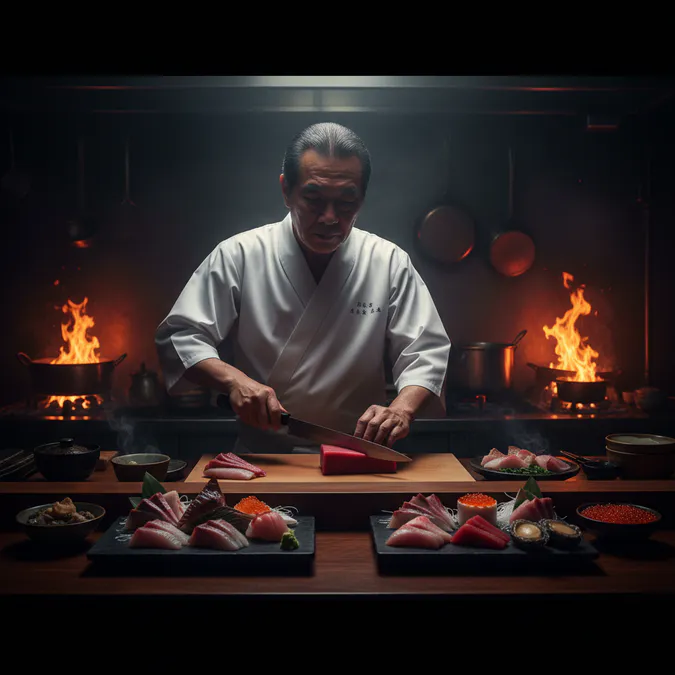
The Documentary Foundation
Released in 2011, Jiro Dreams of Sushi is a documentary that explores the life and work of Jiro Ono, a sushi master whose restaurant, Sukiyabashi Jiro, has been awarded three Michelin stars. The film not only highlights Jiro's culinary skills but also emphasizes the philosophy of shokunin, which embodies the pursuit of mastery through disciplined practice and dedication. David Gelb's film serves as a poignant reminder of the artistry involved in sushi-making and the importance of the tools that sushi chefs utilize.
Hyejin Song's Archival Project
Hyejin Song's book is more than just an exploration of sushi utensils; it is an archival project that documents the tools associated with master sushi kitchens in Tokyo. By focusing on the implements used by renowned chefs, Song aims to preserve the material culture of sushi-making, which is often overlooked in favor of the final product. This project aligns with the Japanese concept of shokunin, emphasizing the importance of craftsmanship and the relationship between the chef and their tools, showcasing the essence of sushi craftsmanship.
Sushi Utensils and Craftsmanship
The tools featured in Song's book are integral to the sushi-making process. Each utensil, from the knives to the bamboo mats, plays a crucial role in achieving the precision and quality that sushi is known for. Some of the key utensils include:
- Yanagiba Knife: A long, thin knife used for slicing raw fish.
- Usuba Knife: A traditional Japanese knife used for cutting vegetables.
- Bamboo Mat (Makisu): Used for rolling sushi.
- Shari (Sushi Rice) Molds: Tools for shaping rice into perfect portions.
These tools not only reflect the technical skills of the chefs but also embody the rich history and tradition of sushi craftsmanship, highlighting the meticulous nature of sushi-making.
Tokyo's Master Sushi Chefs
Tokyo is home to some of the world's most esteemed sushi chefs, many of whom have dedicated their lives to perfecting their craft. Jiro Ono, for instance, is celebrated not only for his culinary skills but also for his unwavering commitment to quality and tradition. His restaurant, Sukiyabashi Jiro, is a testament to the pinnacle of sushi craftsmanship, attracting sushi enthusiasts from around the globe.
According to industry analyses, there are over 1.5 million sushi restaurants worldwide, highlighting the global reach and popularity of sushi as a culinary category (Statista). This widespread interest underscores the importance of documenting the tools and techniques that define sushi-making.
Cultural Significance of Traditional Tools
Song's book serves as a cultural document that preserves the material language of an endangered kind of craftsmanship. The emphasis on traditional tools aligns with UNESCO's recognition of washoku, the traditional dietary cultures of Japan, as an intangible cultural heritage. This recognition reinforces the significance of projects like Song's, which aim to celebrate and document the artistry behind sushi-making.
As Hyejin Song notes, "The way of Shokunin means to repeat the same thing every day." This philosophy is evident in the meticulous care that sushi chefs take in selecting and maintaining their tools, which are essential for achieving the desired quality and presentation of sushi.
Book Design and Presentation
In addition to its content, the design of Song's book plays a crucial role in its impact. The archival format invites close reading and reflection, allowing readers to appreciate the beauty and functionality of each tool. The visual presentation complements the narrative, creating an intimate exploration of the relationship between the chef and their utensils.
Song's design choices reflect a deep understanding of both graphic design principles and culinary culture, making the book a valuable artifact for both food enthusiasts and design aficionados.
Impact on Culinary Documentation
Hyejin Song's archival project represents a growing trend in culinary documentation that prioritizes the tools and techniques of food preparation over traditional recipes. This shift reflects a broader interest in craft-driven food design and the cultural significance of culinary practices. As the global interest in sushi and Japanese cuisine continues to grow, projects like Song's are essential for preserving the rich history and artistry of sushi-making.
As David Gelb, the director of Jiro Dreams of Sushi, aptly puts it, "This intimate portrait of one of the world’s greatest sushi chefs is also a meditation on obsession, perfection, and the art of doing one thing extremely well." This sentiment resonates throughout Song's work, inviting readers to appreciate the dedication and craftsmanship that define sushi.
Conclusion
Hyejin Song's book documenting sushi utensils is a significant contribution to the culinary world, offering a unique perspective on the tools that shape the art of sushi-making. By focusing on the craftsmanship and cultural heritage associated with these utensils, Song not only preserves an important aspect of Japanese culinary culture but also invites a deeper appreciation for the artistry involved in creating sushi. As sushi continues to captivate palates worldwide, projects like this serve as vital records of the traditions and techniques that make it possible.
Key Takeaways
- Hyejin Song's work emphasizes the importance of sushi craftsmanship and the tools used in the process.
- The book serves as a cultural document preserving traditional sushi utensils.
- Tokyo's master sushi chefs exemplify the dedication required to perfect sushi-making.
- Song's archival project highlights the significance of documenting culinary tools and techniques.
FAQ
What is sushi craftsmanship?
Sushi craftsmanship refers to the skill and artistry involved in making sushi, including the techniques and tools used by sushi chefs.
Why is Hyejin Song's book important?
Hyejin Song's book is important because it documents the traditional tools of sushi-making, preserving the cultural heritage and craftsmanship associated with sushi.
How does the documentary Jiro Dreams of Sushi relate to this topic?
The documentary highlights the life of Jiro Ono, a master sushi chef, and emphasizes the philosophy of shokunin, which is central to sushi craftsmanship.