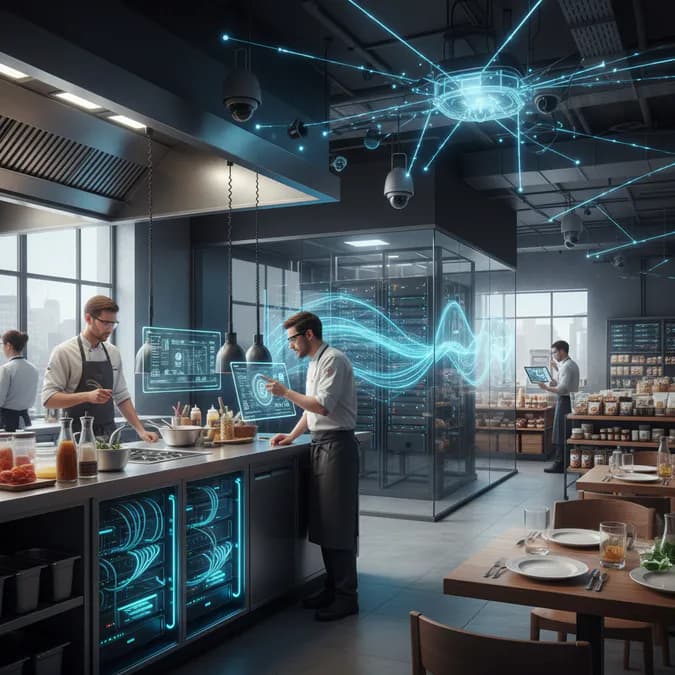
The food industry is constantly evolving, and 2026 promises to be a year of significant innovation driven by culinary trends. Developers are increasingly looking to restaurant menus to identify emerging flavor profiles, ingredient combinations, and format innovations that resonate with consumers. These trends are then scaled to retail distribution, impacting everything from packaged goods to ready-to-eat meals. Understanding these shifts is crucial for staying competitive in the dynamic food landscape. This article explores the key culinary trends shaping 2026, how restaurant innovations are influencing retail food, and what developers can learn from these developments.
The Evolving Food Landscape
The culinary landscape of 2026 is marked by a convergence of consumer priorities, including health consciousness, economic pragmatism, environmental sustainability, and experiential indulgence. Restaurant trends are increasingly influencing retail food innovation, as manufacturers recognize that successful dishes and flavor profiles tested in foodservice environments translate directly t

Key Culinary Trends Shaping 2026
Several key culinary trends are poised to shape the food industry in 2026. These trends reflect changing consumer preferences and priorities, influencing both restaurant menus and retail food products:
- Local Sourcing and Community-Focused Ingredients: Emphasizing freshness and sustainability, local sourcing is the #1 trend for 2026 [Key Facts].
- Smashed Burgers: The reemergence of smashed burgers as a social media favorite, blending retro appeal with customizable, high-flavor twists [Key Facts].
- Asian Cuisines: Accelerated growth in Korean, Japanese, and regional Indian styles in both restaurants and retail products [Key Facts].
- Fermented Ingredients: Ingredients like kimchi, miso, tempeh, and fruit vinegars are moving from niche to mainstream, as consumers recognize their health and flavor benefits [Key Facts]. Chef Ozyilmaz from Dalida Restaurant notes, "Fermentation lets a cook express time, place, and scarcity all at once. Chefs are using ferments to extend short growing seasons, preserve abundance, and reduce waste" [Expert Quotes].
- Plant-Based Products: Evolving to stand alone rather than substitute for traditional foods, with consumers prioritizing minimally processed plant proteins [Key Facts].
- Texture Innovation: Multisensory product experiences are emerging as key differentiators in food product development [Key Facts].
- Allergen-Friendly Options: Allergen-friendly menus and clear labeling are becoming standard as restaurants expand inclusive options for dietary restrictions [Key Facts].
- Sustainable Packaging: Compostable and reusable packaging is replacing single-use plastics as sustainability becomes a core consumer expectation [Key Facts].
- Ready-to-Eat and Hybrid Meals: Combining premium nutrition with grab-and-go convenience, these formats are driving growth in convenient meal segments [Key Facts].
- Fusion Flavors: Combining traditional cuisines with modern applications is a primary driver of culinary excitement and product innovation [Key Facts].
Restaurant Innovations and Their Retail Applications
Restaurant innovations are increasingly finding their way into retail food products. Developers are closely monitoring restaurant menus to identify emerging trends and adapt them for retail distribution. Here are some examples:
- Asian Cuisine Expansion: Regional Asian cuisines, particularly Korean, Japanese, and Indian regional styles, are experiencing significant growth in both restaurants and retail products. Korean BBQ, hot pot interactive cooking, and Asian fusion concepts are gaining mainstream attention, with fermented ingredients like kimchi and miso becoming staple pantry items [Related Developments].
- Plant-Based Innovation: Nearly two-thirds of consumers now expect plant-based products to stand alone rather than substitute for traditional foods. Authentic plant-based innovation includes protein bowls and pasta made with peas, lentils, and cauliflower, reflecting consumer demand for minimally processed plant proteins [Related Developments].
- Sustainability and Fermentation: Intentional fermentation is becoming a key culinary strategy for waste reduction and ingredient preservation. Chefs are creating fruit vinegars from trim and cultured chili pastes from seasonal abundance, combining sustainability with flavor innovation and extending growing seasons [Related Developments]. Emily Yuen, a James Beard Award Semifinalist, highlights the versatility of seaweed, stating, "From adding umami depth to broths and sauces, to using it as a textural element or even in desserts and cocktails, seaweed can bring so much character and complexity to a dish" [Expert Quotes].
Developer Insights: Learning from Culinary Arts
Developers can gain valuable insights from the culinary arts by closely observing restaurant trends and understanding consumer preferences. Here are some key takeaways:
- Monitor Restaurant Menus: Pay attention to emerging flavor profiles, ingredient combinations, and format innovations that are gaining popularity in restaurants.
- Understand Consumer Preferences: Conduct market research to understand what consumers are looking for in terms of taste, convenience, health, and sustainability.
- Experiment with New Ingredients and Techniques: Don't be afraid to experiment with new ingredients and techniques, such as fermented foods, plant-based proteins, and fusion flavors.
- Focus on Texture and Sensory Experience: Create products that offer a unique and satisfying sensory experience, focusing on texture, aroma, and visual appeal.
- Prioritize Sustainability: Incorporate sustainable practices into product development, such as using locally sourced ingredients and compostable packaging.
Case Studies: Successful Trend Adaptations
Several companies have successfully adapted restaurant trends for retail food products. While specific company names aren't provided in the research, here are hypothetical examples based on the trends mentioned:
- Korean BBQ Meal Kits: Inspired by the popularity of Korean BBQ restaurants, a company launches a retail meal kit that includes marinated meats, sauces, and side dishes, allowing consumers to enjoy the Korean BBQ experience at home.
- Fermented Vegetable Snacks: Capitalizing on the growing interest in fermented foods, a company creates a line of fermented vegetable snacks, such as kimchi chips and miso-flavored edamame.
- Plant-Based Protein Bowls: Responding to the demand for plant-based options, a company develops a range of protein bowls featuring minimally processed plant proteins like lentils, peas, and quinoa.
These examples demonstrate how restaurant trends can be successfully adapted for retail food products, meeting consumer demand for innovative and convenient options.
Future Outlook: Sustaining Innovation in Food
The future of the food industry will be shaped by ongoing innovation and adaptation to changing consumer preferences. To sustain innovation in food, developers should continue to monitor culinary trends, invest in research and development, and prioritize sustainability and health. As Chef Maxine Sharf notes, "I think there's been a real shift toward people caring more about the quality and sourcing of their food, especially animal proteins… I've definitely seen more interest in high-quality beef recipes" [Expert Quotes]. The National Restaurant Association's spokesperson, Sean Moutray, adds, "The 2026 forecast highlights a restaurant industry that continues to adapt to changing tastes and economic realities" [Expert Quotes]. By staying ahead of the curve and embracing innovation, companies can thrive in the dynamic food landscape of 2026 and beyond.
Statistics also point to key areas of growth and opportunity. For example, rice cakes are leading the salty snacks category with 25% year-over-year dollar gains, and meat snacks are experiencing 13.1% year-over-year gains [Source: Penn State Extension Food Trends Report]. Additionally, there's a projected menu growth of just under 4% through 2029 in the foodservice sector [Source: Datassential Menucast]. These figures underscore the importance of staying informed and adapting to evolving consumer demands.
In conclusion, the culinary trends impacting innovation in 2026 highlight the importance of understanding consumer preferences, embracing sustainability, and adapting to changing tastes. By learning from restaurant innovations and prioritizing innovation, developers can create successful retail food products that meet the needs of today's consumers.
Sources
- Automated Pipeline
- 2026 Culinary Forecast - National Restaurant Association
- Top Food and Beverage Trends 2026 - Innova Market Insights
- Top 10 Food Trends - IFT (Institute of Food Technologists)
- 2026 Food & Beverage Trends - American International Foods
- Top Restaurant Food Trends For 2026 - James Beard Foundation
- Source: extension.psu.edu
- Source: tablemagazine.com
- Source: nestleprofessional.us
- Source: datassential.com