
The food industry is constantly evolving, and in 2026, culinary trends are set to have a profound impact on food innovation. Developers are increasingly looking to restaurant trends for inspiration, adapting them to create exciting new retail food products. This article explores the key culinary trends shaping 2026 and how they're influencing the food we eat, from AI-driven personalization to sustainable practices.
The Intersection of Culinary and Retail Food Trends
The line between restaurant dining and retail food products is blurring as culinary trends increasingly influence food innovation. Consumer demands for health, sustainability, indulgence, and personalization are driving this convergence. Restaurant innovations are inspiring retail developers to adapt these experiences for packaged goods, bringing the excit
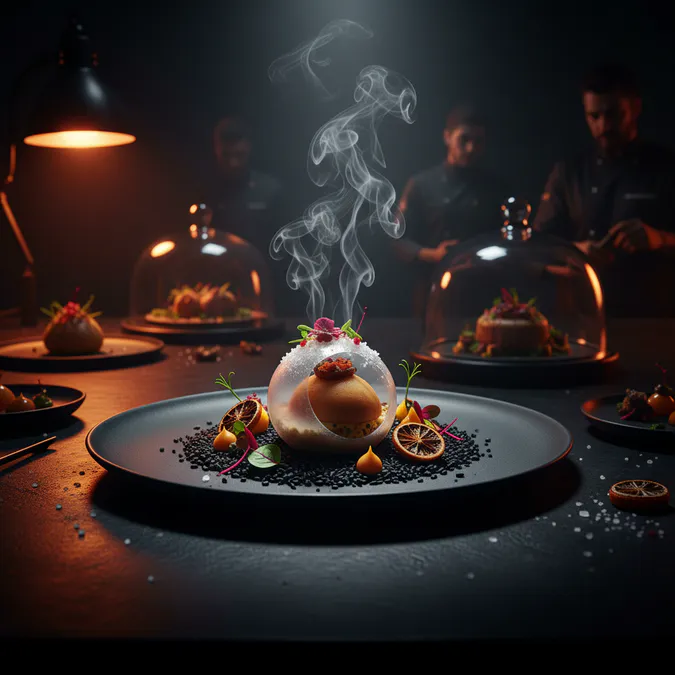
Key Culinary Trends Shaping 2026
Several key culinary trends are poised to dominate the food landscape in 2026. These trends reflect changing consumer preferences and technological advancements, influencing both restaurant menus and retail food product development.
- AI-Driven Personalization: Artificial intelligence is playing an increasingly important role in the food industry, particularly in restaurants. AI can enhance menu personalization and boost customer satisfaction. Research indicates that AI in dining experiences can significantly improve customer engagement and satisfaction metrics.
- Plant-Based Proteins: The demand for plant-based options continues to rise. Industry data shows that nearly two-thirds of global consumers believe that plant-based products should stand alone, not just serve as substitutes, according to an Innova Market Insights survey.
- Fusion and Global Flavors: Consumers are increasingly interested in exploring diverse and exciting flavors from around the world. Asian influences, such as matcha and yuzu, are becoming particularly mainstream, reflecting a broader trend toward culinary exploration.
- Nostalgia-Infused Classics: Comfort foods and nostalgic flavors are making a comeback, often with modern twists. Smashed burgers are a prime example of this trend, combining familiar favorites with contemporary preparation methods.
- Sensory Innovation: Food developers are focusing on creating unique sensory experiences through layered textures and bold contrasts, enhancing the overall dining and consumption experience.
- Protein-Forward Foods: Protein remains a key driver in the food industry, influencing indulgent categories like snacks and bakery products, as consumers seek nutritionally balanced options.
- Sustainable Practices: Consumers are increasingly concerned about the environmental impact of their food choices, driving demand for sustainable practices like minimal processing and eco-friendly sourcing.
Applying Restaurant Innovations to Retail Food Products
Restaurant innovations are providing valuable insights for retail food product developers. By observing what's successful in restaurants, developers can adapt these ideas to create innovative and appealing retail products that capture the essence of dining-out experiences.
- Smashed Burgers: The popularity of smashed burgers in restaurants has inspired the creation of similar products for home consumption, bringing restaurant-quality preparation to convenient retail formats.
- Global Comfort Foods: Restaurants are offering innovative takes on global comfort foods, which can be translated into convenient retail options that appeal to adventurous home cooks.
- Fire-Cooked Dishes: The unique flavors and textures achieved through fire cooking are being explored in retail products, offering consumers a taste of restaurant-quality cuisine at home.
Case Studies: Successful Transfers of Culinary Trends
Several companies have successfully transferred culinary trends from restaurants to retail food products. These case studies demonstrate the potential for innovation and growth in this area, showing how understanding consumer preferences can drive product success.
- Example 1: A company observed the popularity of gourmet mac and cheese in restaurants and developed a line of premium frozen mac and cheese meals with unique flavor combinations, capturing the upscale dining experience in a convenient format.
- Example 2: Inspired by the rise of poke bowls, a company created a line of ready-to-eat poke bowls with sustainably sourced seafood and fresh ingredients, meeting consumer demand for healthy, convenient meals.
- Example 3: Seeing the demand for artisanal bread, a bakery developed a line of pre-sliced, ready-to-bake artisanal bread loaves for consumers to enjoy at home, combining convenience with quality.
Challenges and Opportunities in Adapting Trends
Adapting culinary trends for retail food products presents both challenges and opportunities. Companies must carefully consider factors such as shelf life, packaging, and cost to ensure the success of their products in a competitive market.
Challenges
- Maintaining Quality: Replicating the quality and freshness of restaurant dishes in retail products can be challenging, requiring innovative preservation and packaging techniques.
- Shelf Life: Retail products must have a sufficient shelf life to be viable for distribution and sale, while maintaining flavor and nutritional integrity.
- Packaging: Packaging must be functional, appealing, and sustainable, meeting both consumer expectations and environmental standards.
- Cost: Balancing cost and quality is essential to create products that are both appealing and affordable for mainstream consumers.
Opportunities
- Innovation: Adapting culinary trends provides opportunities for innovation and differentiation in crowded retail categories.
- Market Growth: The demand for convenient, restaurant-inspired meals is growing, creating a significant market opportunity for forward-thinking companies.
- Consumer Engagement: By offering unique and exciting products, companies can engage consumers and build brand loyalty through authentic culinary experiences.
Future Outlook: The Evolving Landscape of Food Innovation
The future of food innovation will be shaped by the continued convergence of culinary trends and retail food development. As technology advances and consumer preferences evolve, companies that can effectively adapt and innovate will be best positioned for success. The integration of smart kitchen technology and data-driven insights will further accelerate this trend, enabling more personalized and responsive product development.
Frequently Asked Questions
What are the most important culinary trends for 2026?
The most significant culinary trends shaping 2026 include AI-driven personalization, plant-based proteins, global fusion flavors, nostalgia-infused classics, sensory innovation, protein-forward foods, and sustainable practices. These trends reflect evolving consumer preferences for health, convenience, and environmental responsibility.
How do restaurant trends influence retail food product development?
Restaurant trends serve as testing grounds for new flavors, techniques, and concepts. When a trend gains traction in restaurants, food developers monitor consumer response and adapt successful ideas into retail products, bringing restaurant experiences to home consumers through convenient, shelf-stable formats.
Why is sustainability becoming a key culinary trend?
Consumers are increasingly aware of environmental impacts and actively seek products from sustainable sources. This shift reflects broader societal concerns about climate change and resource conservation, making sustainability a competitive advantage for food companies and a defining characteristic of modern culinary trends.
Can restaurant-quality food be replicated in retail products?
Yes, through innovative packaging, preservation techniques, and ingredient selection, companies can successfully replicate restaurant-quality experiences in retail formats. The key is understanding what makes a restaurant dish appealing—whether it's flavor, texture, or presentation—and translating that into a shelf-stable product.
What role does technology play in culinary innovation?
Technology enables personalization, improves food safety, enhances flavor development, and streamlines production. AI, data analytics, and smart kitchen equipment are transforming how both restaurants and retail food companies develop and deliver products aligned with culinary trends.
Key Takeaways
- Culinary trends are significantly impacting food innovation in 2026, bridging restaurant experiences with retail products and creating new market opportunities.
- Key trends include AI-driven personalization, plant-based proteins, fusion flavors, nostalgia-infused classics, sensory innovation, protein-forward foods, and sustainable practices.
- Restaurant innovations, such as smashed burgers and global comfort foods, inspire retail developers to adapt these concepts for packaged goods and home consumption.
- Companies must address challenges like maintaining quality and shelf life while capitalizing on opportunities for innovation, market growth, and consumer engagement.
- The future of food innovation will be driven by the continued convergence of culinary trends and retail food development, with technology playing an increasingly central role.
- Success requires understanding consumer preferences, monitoring restaurant trends, and translating culinary innovations into accessible, convenient retail products.