
The Connection Between Restaurant and Retail Innovation

The food industry stands at a pivotal moment where culinary trends emerging from restaurants directly influence retail product development. Restaurants have always served as testing grounds for new flavors, cooking techniques, and ingredient combinations. Chefs experiment with bold ideas, gather immediate consumer feedback, and refine concepts in real-time. This agility makes restaurants ideal innovation laboratories for food developers seeking to create competitive retail offerings.
Food developers working in retail can leverage these insights to inform product development strategies, reduce time-to-market, and increase the likelihood of commercial success. The relationship between restaurant trends and retail innovation has become increasingly symbiotic. What starts as a chef's creative experiment can evolve into a mass-market product, while retail innovations sometimes inspire restaurant menus. This dynamic creates opportunities for developers to stay ahead of consumer expectations and market demands.
Key Culinary Trends Influencing Retail Development
1. Global Flavor Fusion
Restaurants continue to embrace cross-cultural flavor combinations that blend traditional cuisines in unexpected ways. Korean-Mexican fusion, Mediterranean-Asian blends, and African-inspired ingredients are gaining prominence on restaurant menus. For retail developers, this trend suggests strong consumer interest in globally-inspired products that offer authenticit
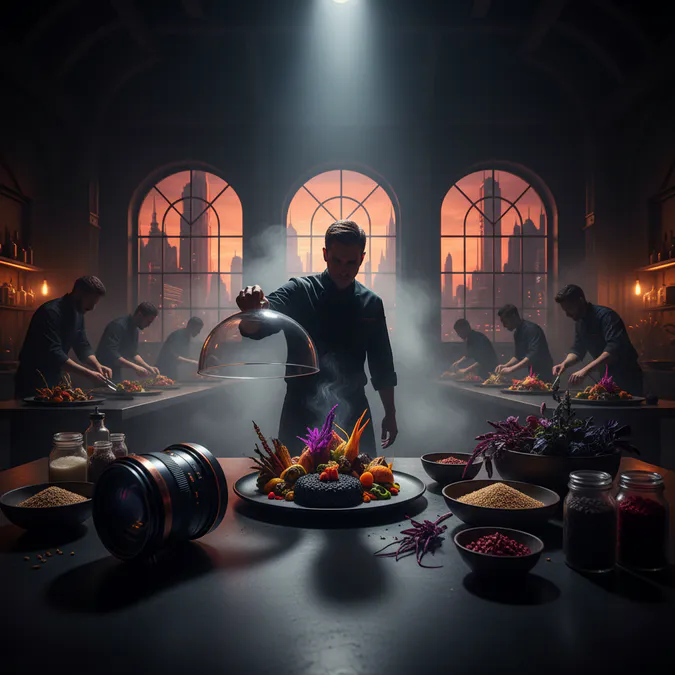
Developers can apply this insight by creating seasoning blends, sauce bases, and prepared meal components that capture these fusion flavors. Consumers increasingly seek convenient ways to recreate restaurant-quality dishes at home, making fusion-inspired retail products particularly appealing to adventurous eaters.
2. Plant-Forward Cooking
While vegetarian and vegan options have been mainstream for years, the current trend focuses on plant-forward cooking rather than plant-based substitutes. Restaurants are celebrating vegetables, legumes, and grains as primary ingredients rather than meat replacements. This philosophical shift emphasizes the inherent qualities and flavors of plant-based ingredients.
Retail developers should recognize that consumers want products that celebrate plant ingredients authentically. This means developing items that highlight vegetable flavors, textures, and nutritional benefits rather than attempting to replicate meat products. Plant-forward snacks, side dishes, and main components represent significant growth opportunities in the retail space.
3. Minimal Processing and Clean Labels
Chefs increasingly prioritize simple, recognizable ingredients and minimal processing in their cooking. This restaurant trend directly mirrors consumer demand for clean-label products in retail. Developers who can create products with short ingredient lists and transparent sourcing information will resonate with health-conscious consumers.
The challenge for retail developers involves maintaining product stability, shelf life, and food safety while minimizing processing and additives. Innovation in natural preservation methods, ingredient sourcing, and formulation techniques becomes essential for meeting this consumer expectation.
4. Local and Seasonal Sourcing
Restaurants emphasizing local and seasonal ingredients continue to attract dedicated customer bases. This trend reflects broader consumer values around sustainability, freshness, and community support. For retail developers, this suggests opportunities in regional product lines and seasonal offerings that celebrate local ingredients.
Developers can partner with local suppliers, create region-specific products, and develop seasonal collections that align with ingredient availability. This approach not only meets consumer preferences but also supports supply chain resilience and sustainability goals.
5. Novelty Ingredients and Functional Foods
Restaurant menus feature increasingly sophisticated ingredients like adaptogens, fermented foods, ancient grains, and functional mushrooms. These ingredients appeal to consumers seeking health benefits beyond basic nutrition. Retail developers can incorporate these trending ingredients into products ranging from beverages to snacks to prepared meals.
However, developers must balance novelty with consumer familiarity and education. Products featuring unfamiliar ingredients often require clear communication about benefits and usage suggestions to drive consumer adoption and market success.
Applications for Retail Food Developers
Market Research and Trend Monitoring
Developers should actively monitor restaurant menus, chef collaborations, and culinary publications to identify emerging trends early. This intelligence gathering allows developers to anticipate market shifts and position products accordingly. Following influential chefs, restaurant groups, and culinary media provides valuable insights into consumer preferences before they become mainstream.
Product Development Strategy
When developing new products, developers should consider how restaurant trends might influence consumer expectations. A product inspired by popular restaurant offerings has inherent market validation. Developers can create products that capture restaurant experiences in convenient, shelf-stable formats that consumers can enjoy at home.
Flavor Profile Development
Restaurant chefs excel at creating complex, balanced flavor profiles that excite consumers. Developers can study successful restaurant dishes to understand flavor combinations that resonate with target audiences. This approach helps create retail products with more sophisticated, restaurant-quality taste experiences that differentiate them in competitive markets.
Packaging and Presentation
Restaurant plating and presentation trends influence consumer expectations for retail products. Modern consumers expect visually appealing products that reflect current aesthetic trends. Developers should consider how packaging design, product appearance, and presentation align with contemporary culinary aesthetics and consumer preferences.
Education and Communication
Restaurants educate consumers about ingredients, preparation methods, and flavor profiles through menu descriptions and chef interactions. Retail developers can apply similar educational approaches through packaging copy, recipe suggestions, and digital content. Clear communication about product benefits, ingredient sourcing, and preparation methods helps consumers understand and appreciate retail products.
Collaboration Opportunities
Some developers pursue direct collaborations with renowned chefs or restaurant groups to develop retail products. These partnerships leverage chef credibility and culinary expertise while providing developers with authentic product concepts. Chef-endorsed products often command premium positioning and consumer trust in the marketplace.
Challenges in Translating Restaurant Trends to Retail
Scalability and Cost
Restaurant dishes often feature premium ingredients and labor-intensive preparation methods that don't translate directly to retail economics. Developers must innovate to capture the essence of restaurant trends while maintaining viable production costs and retail pricing that consumers will accept.
Shelf Stability
Restaurant food is consumed immediately, while retail products require extended shelf life. Developers must formulate products that maintain quality, flavor, and safety throughout distribution and storage without compromising the fresh, restaurant-quality experience consumers expect.
Consumer Education
Restaurant customers receive direct guidance about products and preparation. Retail consumers rely on packaging and marketing communication. Developers must effectively communicate product benefits and usage suggestions within packaging constraints and digital channels.
Market Timing
Restaurant trends evolve quickly, and developers must balance trend responsiveness with product development timelines. Moving too slowly risks missing trend windows, while moving too quickly risks investing in short-lived fads that don't sustain consumer interest.
What This Means for 2026
As we enter 2026, the convergence of restaurant innovation and retail development will intensify. Consumers increasingly expect retail products that reflect culinary sophistication, ingredient quality, and flavor complexity they experience in restaurants. Developers who effectively translate restaurant trends into retail products will capture growing market segments seeking premium, innovative food experiences.
The most successful developers will combine trend awareness with a deep understanding of retail economics, consumer behavior, and product development science. They'll monitor restaurant innovation continuously, translate insights into viable products, and communicate effectively with consumers about what makes their products special and worth purchasing.
Restaurant trends provide invaluable guidance for retail food developers seeking to create products that resonate with modern consumers. By studying culinary innovation, understanding consumer preferences reflected in restaurant menus, and applying these insights strategically, developers can create retail products that deliver restaurant-quality experiences in convenient, accessible formats. This approach positions developers to succeed in an increasingly competitive market where consumers demand both innovation and quality.
Key Takeaways
- Global flavor fusion is a growing trend, encouraging adventurous eating.
- Plant-forward cooking emphasizes the use of vegetables and grains as main ingredients.
- Minimal processing and clean labels are increasingly important to health-conscious consumers.
- Local and seasonal sourcing supports sustainability and community values.
- Novelty ingredients and functional foods are appealing to health-focused consumers.
FAQ
What are the current culinary trends for 2026?
Current culinary trends for 2026 include global flavor fusion, plant-forward cooking, minimal processing, local sourcing, and novelty ingredients.
How can retail developers leverage culinary trends?
Retail developers can leverage culinary trends by monitoring restaurant menus, collaborating with chefs, and creating products that reflect these trends.
Why is clean labeling important?
Clean labeling is important as consumers are increasingly seeking transparency in ingredients and prefer products with recognizable, simple ingredients.