
The intersection of restaurant innovation and retail food development has never been more critical. As we move into 2026, culinary trends emerging from the restaurant industry are providing valuable blueprints for food developers and manufacturers looking to capture consumer attention in an increasingly competitive retail landscape.
Restaurants have always served as testing grounds for new flavors, techniques, and concepts. What works on a restaurant menu often signals what consumers want to see in their grocery stores and pantries. Understanding these culinary trends and translating them into retail-ready products has become essential for food innovation success.
The Bridge Between Restaurant and Retail
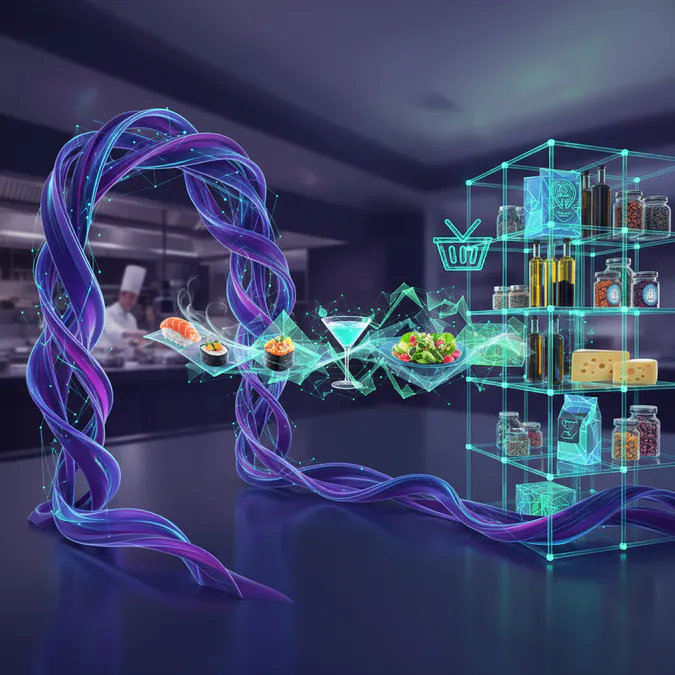
The relationship between restaurant trends and retail food development is symbiotic. Restaurants operate with agility and creativity, allowing chefs to experiment with bold flavors, unusual ingredient combinations, and innovative cooking methods. When these concepts gain traction with diners, food developers take notice. The challenge lies in translating restaurant-quality experiences into products that can be manufactured at scale, maintain shelf stability, and appeal to mass-market consumers.
This translation process requires understanding not just what restaurants are doing, but why consumers are responding to these trends. A successful culinary trend in retail isn't simply a copy of a restaurant dish—it's an adaptation that captures the essence of what made the restaurant version appealing while meeting the practical constraints of food manufacturing.
Key Culinary Trends Shaping 2026
Several dominant culinary trends are emerging from restaurants and influencing retail food development:
Global Flavor Fusion
Restaurants continue to blend cuisines and flavor profiles in unexpected ways. Asian-Latin fusion, Mediterranean-Middle Eastern combinations, and African-inspired ingredients are gaining prominence. For food developers, this means exploring how to

Minimal Processing and Clean Labels
The restaurant trend toward visible, recognizable ingredients and minimal processing directly influences consumer expectations for retail products. Diners appreciate seeing what goes into their food, and this preference translates to retail demand for products with shorter ingredient lists and fewer artificial additives.
Plant-Forward Cuisine
While not entirely new, the sophistication of plant-based cooking in restaurants has evolved significantly. It's no longer about replacing meat with plant-based alternatives—it's about celebrating vegetables, legumes, and grains as primary ingredients. This trend is pushing retail developers to create more innovative vegetable-based products that stand on their own merit.
Sustainability and Traceability
High-end restaurants increasingly highlight ingredient sourcing and sustainability practices. This transparency resonates with consumers and creates expectations for retail products to demonstrate similar values through labeling, certifications, and supply chain transparency.
Fermentation and Functional Foods
Fermented ingredients and foods with functional benefits are prominent on restaurant menus. Kombucha, miso, kimchi, and other fermented products are moving from specialty items to mainstream ingredients, creating opportunities for retail developers to incorporate these elements into new product categories.
What Food Developers Can Learn From Restaurants
Flavor Development and Complexity
Restaurants excel at building complex flavor profiles through layering, balancing, and technique. Food developers can apply these principles by working with flavor scientists to create products that deliver restaurant-quality taste experiences. This might involve using umami-rich ingredients, developing better spice blends, or incorporating fermented components that add depth.
Presentation and Consumer Experience
While retail products can't replicate restaurant plating, they can capture the visual appeal and excitement of restaurant dishes. Developers should consider how products look in packaging, how they appear when prepared, and how they can create a sense of occasion or indulgence even in a home setting.
Authenticity and Storytelling
Restaurants tell stories through their menus—about ingredients, origins, techniques, and values. Retail products benefit from similar storytelling through packaging, labeling, and marketing. Consumers increasingly want to understand the narrative behind their food, whether it's the heritage of a recipe, the sourcing of ingredients, or the inspiration behind a flavor combination.
Innovation in Texture and Format
Restaurants constantly experiment with textures and presentations. Food developers can apply this mindset by exploring new formats for familiar products—different textures, unexpected combinations, or innovative ways to deliver familiar flavors. This might mean creating products with multiple textures, developing new snack formats, or reimagining traditional dishes.
Quality Ingredients and Sourcing
Restaurant chefs prioritize ingredient quality because it directly impacts flavor and customer satisfaction. Food developers should similarly prioritize ingredient quality, recognizing that consumers can taste the difference. This might mean investing in better sourcing, working with specialty suppliers, or developing relationships with ingredient producers who share quality commitments.
Practical Applications for Retail Food Innovation
Sauce and Seasoning Development
Restaurant trends toward bold, complex flavors translate well to retail sauces and seasonings. Developers can create products inspired by restaurant dishes—whether it's a trending fusion sauce, a chef-inspired seasoning blend, or a condiment that captures a culinary moment.
Prepared and Semi-Prepared Foods
The restaurant trend toward quality ingredients and minimal processing creates opportunities for retail prepared foods that emphasize freshness, recognizable ingredients, and minimal additives. Products like meal kits, prepared salads, and heat-and-eat entrees can capture restaurant-quality concepts.
Snacking and Appetizer Concepts
Restaurant appetizers and small plates inspire innovative snacking products. Developers can translate popular restaurant starters into portable, shelf-stable snacks that deliver similar flavor experiences and sophistication.
Ingredient Products
As restaurants highlight specific ingredients—whether fermented products, specialty grains, or unique proteins—retail developers can create standalone ingredient products that allow home cooks to recreate restaurant-quality dishes.
Beverage Innovation
Restaurant beverage trends, from specialty coffee drinks to functional beverages, provide inspiration for retail beverage development. Understanding what's trending on restaurant menus helps developers anticipate consumer demand.
Navigating Challenges in Translation
Translating restaurant trends to retail products presents specific challenges. Shelf stability requirements, cost constraints, manufacturing scalability, and regulatory considerations all impact how closely a retail product can match its restaurant inspiration. Successful developers understand these constraints and work creatively within them, rather than attempting exact replications that may be impractical.
Consumer expectations also matter. A restaurant dish might feature expensive, rare ingredients or labor-intensive techniques that don't translate to retail pricing. Developers must identify what makes the restaurant version appealing and find ways to deliver that appeal within retail parameters.
Key Takeaways
As culinary trends continue to evolve in 2026, food developers who pay attention to restaurant innovation will have a competitive advantage. By understanding what's driving consumer interest in restaurants and thoughtfully translating those insights into retail products, developers can create offerings that feel current, exciting, and aligned with consumer preferences.
The most successful food innovation happens at the intersection of restaurant creativity and retail practicality. By learning from culinary trends, understanding consumer motivations, and applying restaurant-inspired thinking to product development, food companies can create products that resonate with today's sophisticated, trend-aware consumers. The restaurants leading culinary innovation aren't just creating memorable dining experiences—they're providing a roadmap for the future of retail food.
FAQ
What are the key culinary trends for 2026?
The key culinary trends for 2026 include global flavor fusion, minimal processing, plant-forward cuisine, sustainability, and fermentation.
How can food developers utilize culinary trends?
Food developers can utilize culinary trends by adapting restaurant-inspired flavors, focusing on quality ingredients, and ensuring transparency in sourcing.
Why is sustainability important in culinary trends?
Sustainability is important in culinary trends as consumers increasingly demand transparency and ethical practices in food sourcing and production.