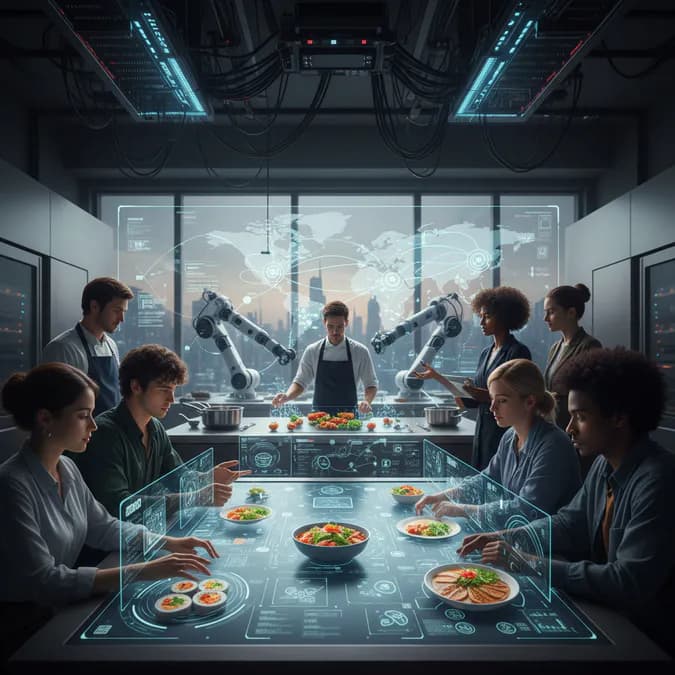
Understanding 2026 Culinary Trends and Consumer Behavior

The global food landscape is undergoing a dramatic transformation, and understanding emerging culinary trends is essential for restaurants, food brands, and culinary professionals looking to stay ahead of the curve. ADM's comprehensive 2026 Global Culinary Trends report identifies five powerful trend spaces that are fundamentally redefining how consumers approach eating, cooking, and food culture worldwide.
These culinary trends reflect deeper shifts in consumer values, cultural awareness, and lifestyle priorities. Research indicates that modern consumers are increasingly intentional about their food choices, seeking experiences that align with their identities and values. As the food industry continues to evolve, staying informed about these movements isn't just about following fads—it's about understanding the authentic desires and values driving consumer behavior.
Table of Contents
- Third Culture Cuisine: The Rise of Global Fusion
- Social Approval: Inclusivity and Conscious Eating
- Additional Trend Spaces Reshaping Food Culture
- Industry Implications and Strategic Opportunities
-
 >The Broader Context: Why These Trends Matter
 - Key Takeaways for Food Professionals
- Frequently Asked Questions
Third Culture Cuisine: The Rise of Global Fusion
One of the most compelling culinary trends emerging is Third Culture Cuisine, a movement that goes far beyond traditional fusion cooking. This trend celebrates the bold intersection of multiple culinary traditions, creating entirely new flavor profiles and dining experiences that reflect our increasingly multicultural world.
Third Culture Cuisine represents more than just mixing ingredients from different cultures. It's about creating authentic expressions of identity through food, often reflecting the experiences of people who navigate multiple cultural backgrounds. These dishes tell stories of migration, adaptation, and creative innovation. Industry experts note that this approach resonates deeply with consumers seeking meaningful connections to global cultures through their dining experiences.
What makes this culinary trend particularly powerful is its authenticity. Rather than superficial cultural borrowing, Third Culture Cuisine respects the origins of ingredients and techniques while fearlessly reimagining them. Chefs and home cooks are drawing inspiration from their own multicultural experiences, creating dishes that feel both familiar and entirely new.
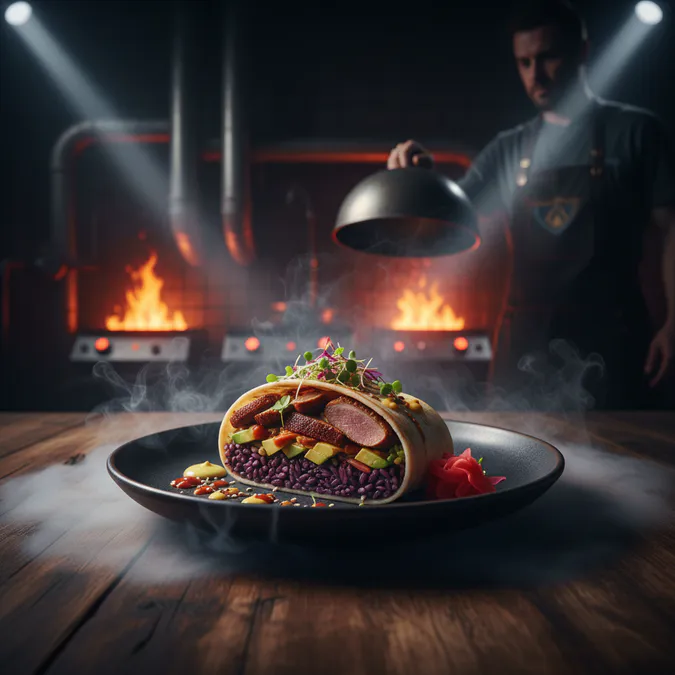
Examples of this trend include Korean-Mexican fusion tacos, Indian-Italian pasta dishes, and Japanese-inspired Caribbean cuisine. These combinations work because they're rooted in genuine cultural understanding and creative experimentation, not gimmicks. The success of Third Culture Cuisine establishments demonstrates that consumers actively seek out these innovative dining experiences, with many restaurants reporting increased customer engagement and loyalty when authentically executing this culinary trend.
Social Approval: Inclusivity and Conscious Eating
Another major culinary trend reshaping consumer behavior is Social Approval, which centers on inclusivity, conscious eating, and the desire for food choices that align with personal values. This trend reflects a fundamental shift in how consumers view their relationship with food and the broader impact of their purchasing decisions.
Social Approval encompasses several interconnected movements that define modern consumer eating habits:
- Plant-based and alternative protein options that reduce environmental impact
- Sustainable sourcing and ethical production practices throughout supply chains
- Transparent supply chain communication and ingredient disclosure
- Inclusive menu design accommodating diverse dietary needs and preferences
- Support for local and fair-trade producers and community-based food systems
Consumers increasingly want to know where their food comes from, how it was produced, and whether their dining choices align with their values regarding environmental sustainability and social responsibility. Research indicates that approximately 73% of global consumers consider sustainability important when making food purchasing decisions, reflecting the significant influence of this culinary trend on market behavior.
This culinary trend also emphasizes inclusivity in menu design. Restaurants and food brands are recognizing the importance of accommodating diverse dietary needs and preferences—whether due to allergies, religious beliefs, ethical choices, or health conditions. The goal is creating dining experiences where everyone feels welcome and can find satisfying options. Forward-thinking establishments report that inclusive menus not only serve more customers but also generate positive word-of-mouth and social media engagement.
The Social Approval trend also reflects growing awareness of food's social and environmental impact. Consumers are making more intentional choices about supporting local producers, reducing food waste, and choosing products from companies with transparent, ethical practices. This shift represents a fundamental change in how consumers evaluate food quality—moving beyond taste and price to encompass values alignment and environmental consciousness.
Additional Trend Spaces Reshaping Food Culture
While Third Culture Cuisine and Social Approval represent two of the five major culinary trends identified in ADM's report, the complete analysis reveals a more nuanced picture of how consumer eating habits are evolving. These trends work together, sometimes overlapping, to create a complex landscape of consumer preferences and values.
The intersection of these culinary trends suggests that modern consumers are seeking more than just delicious food. They want experiences that reflect their identities, align with their values, and connect them to broader communities and cultures. Food has become a vehicle for self-expression, cultural exploration, and values alignment. Industry professionals recognize that understanding these interconnected trends is crucial for developing products and services that resonate with contemporary consumers.
Beyond Third Culture Cuisine and Social Approval, emerging culinary trends include wellness-focused eating, experiential dining, and technology-enabled food transparency. These additional trend spaces demonstrate that the food industry is evolving across multiple dimensions simultaneously, requiring comprehensive understanding of consumer motivations and preferences.
Industry Implications and Strategic Opportunities
Understanding these culinary trends has significant implications for restaurants, food manufacturers, and culinary professionals. Success in 2026 and beyond will require adapting to these evolving consumer preferences and staying responsive to shifting market dynamics.
For restaurants: This means rethinking menu development with culinary trends in mind. Chefs should consider how they can authentically incorporate global influences while respecting cultural origins. Menu design should prioritize inclusivity, offering options for various dietary needs and preferences. Transparency about sourcing and preparation methods is increasingly important to conscious consumers. Restaurants that successfully align their offerings with current culinary trends report stronger customer retention and premium pricing opportunities.
For food manufacturers: Product development should consider how offerings align with culinary trends around fusion, sustainability, and inclusivity. Packaging and marketing should communicate values clearly, as consumers increasingly make purchasing decisions based on brand alignment with their own values. Manufacturers investing in trend-aligned innovation are capturing growing market segments and building stronger brand loyalty.
For culinary professionals: These culinary trends should be viewed as opportunities for creativity and innovation. Rather than seeing diverse dietary preferences as constraints, forward-thinking chefs are using them as inspiration for developing more interesting, flavorful, and inclusive menus. Professional development focused on understanding and executing these trends positions chefs as industry leaders and attracts quality employment opportunities.
The Broader Context: Why These Trends Matter
These culinary trends don't exist in isolation. They reflect broader societal changes: increasing cultural diversity, growing environmental consciousness, and evolving definitions of community and belonging. Food, as a fundamental human need and cultural practice, naturally becomes a space where these values are expressed and negotiated.
Third Culture Cuisine celebrates the reality of our multicultural world, where people's identities often span multiple cultural traditions. Social Approval reflects growing consumer activism, where purchasing decisions become statements of values. Together, these culinary trends suggest a food landscape that's more diverse, more conscious, and more intentional than ever before.
The evolution of culinary trends also indicates broader economic and social shifts. As younger generations gain purchasing power, their values—including sustainability, inclusivity, and cultural respect—increasingly shape food industry practices. Businesses that recognize and respond to these culinary trends position themselves for long-term success in an evolving marketplace.
Key Takeaways for Food Professionals
As we move toward 2026 and beyond, staying informed about culinary trends is essential for anyone involved in food. Whether you're a restaurant owner, chef, food brand executive, or simply someone interested in food culture, understanding these trends helps you anticipate change and make informed decisions.
The key insight is that modern consumers are seeking authenticity, inclusivity, and alignment between their food choices and their values. They want to explore global cuisines respectfully, support ethical and sustainable practices, and feel that their dietary choices are welcomed and accommodated. Recognizing these consumer motivations allows food professionals to develop strategies that align with market demands.
For the food industry, this means innovation isn't just about new flavors or techniques—it's about creating experiences and products that reflect the values and identities of increasingly diverse, conscious consumers. The culinary trends identified in ADM's 2026 report provide a roadmap for understanding where consumer preferences are heading and how the food industry can evolve to meet these emerging demands.
The future of food is multicultural, conscious, and inclusive. By understanding and embracing these culinary trends, food professionals can create more meaningful, relevant, and successful offerings in the years ahead. Investment in trend alignment today positions businesses for competitive advantage tomorrow.
Frequently Asked Questions About 2026 Culinary Trends
What are the main culinary trends for 2026?
The primary culinary trends for 2026 include Third Culture Cuisine (authentic global fusion), Social Approval (inclusive and conscious eating), wellness-focused dining, experiential food experiences, and technology-enabled food transparency. These trends reflect evolving consumer values around authenticity, sustainability, and inclusivity.
How do culinary trends affect restaurant menus?
Modern culinary trends influence menu development by encouraging chefs to incorporate global flavors authentically, offer inclusive options for diverse dietary needs, emphasize sustainable sourcing, and communicate transparently about ingredients and production methods. Restaurants aligned with current trends report stronger customer engagement and loyalty.
Why is Third Culture Cuisine considered a major culinary trend?
Third Culture Cuisine represents an authentic approach to global fusion that respects cultural origins while creating innovative new dishes. This culinary trend resonates with increasingly multicultural consumers seeking meaningful connections to diverse food traditions and reflecting their own multicultural identities through dining experiences.
How can food manufacturers respond to culinary trends?
Food manufacturers can align with culinary trends by developing products that support plant-based eating, emphasizing sustainable sourcing, ensuring transparent ingredient communication, accommodating diverse dietary needs, and marketing their values alignment clearly. Products reflecting current trends capture growing consumer segments.
What does Social Approval mean in culinary trends?
Social Approval is a culinary trend centered on conscious eating choices that align with personal values. It encompasses plant-based options, sustainable sourcing, ethical production, transparent supply chains, inclusive menu design, and support for local producers—reflecting consumer desire for food choices that reflect their values.
How do culinary trends impact consumer eating habits?
Current culinary trends are shifting consumer eating habits toward more intentional, values-driven choices. Consumers increasingly seek authentic global cuisines, sustainable products, inclusive dining options, and transparent information about food origins and production—fundamentally changing how they evaluate and select food.