
Bird Eating Habits: 10 Ultimate Insights for Bird Lovers
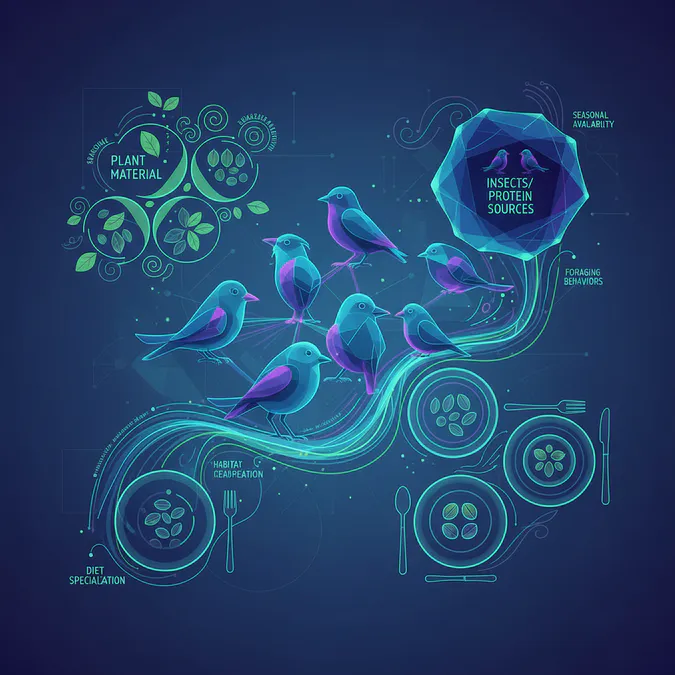
Birds are a diverse group of animals with a wide range of feeding habits that vary significantly based on species, size, metabolic rate, and food availability. Understanding how and why birds eat can provide insights into their behavior and ecology. This article delves into the factors influencing bird eating habits, species-specific eating patterns, and the implications of these behaviors.
Introduction
Birds exhibit a remarkable variety of eating habits, shaped by their evolutionary adaptations to different environments. The question of whether birds eat large quantities at one time is complex and nuanced. While some species may gorge themselves when food is abundant, others prefer smaller, more frequent meals. This article will explore the various factors that influence bird eat

Factors Influencing Bird Eating Habits
Birds' eating habits are influenced by several key factors:
- Species: Different species have evolved to consume different types of food, leading to distinct feeding behaviors.
- Size: Smaller birds often require more food relative to their body size due to higher metabolic rates.
- Metabolic Rate: Birds with higher metabolic rates need to consume more food to maintain their energy levels.
- Food Availability: Seasonal changes and environmental factors can affect the availability of food sources, influencing feeding patterns.
For instance, smaller birds lose body heat more rapidly due to their larger surface area-to-volume ratio. As a result, they typically need to eat proportionately more food than larger birds to maintain their metabolism and body temperature. According to experts from SeaWorld, "Smaller birds have a larger surface area to body volume ratio than larger birds, causing them to lose body heat more rapidly. To compensate, smaller birds usually eat proportionately more food than larger birds to maintain their metabolism and body temperature."
Additionally, food intake can increase during colder weather, before migration, or prior to egg-laying. For example, many birds will gorge themselves to build fat reserves before undertaking long migratory journeys.
Species-Specific Eating Patterns
Birds can be categorized into various dietary groups based on their feeding preferences:
- Granivores: Birds like budgerigars primarily consume seeds and grains.
- Nectarivores: Species such as lorikeets feed on nectar and pollen.
- Carnivores: Raptors, including hawks and eagles, prey on other animals, often consuming 12% to 50% of their body weight in a single meal [Source: SeaWorld Raptor Diet].
- Frugivores: Birds that primarily eat fruits, such as many species of parrots.
- Insectivores: Birds that feed on insects, which may switch their diets seasonally based on prey availability.
Research indicates that there is a 72% dietary dissimilarity between obligate insectivores, which target specialized prey, and generalist insectivores, which rely on less favorable, chemically-defended prey found in clumped distributions [Source: PMC Study on Insectivore Diets]. This specialization can lead to significant differences in feeding habits and food intake.
Moreover, studies have shown that blue jays prefer peanut kernels over black-striped sunflower seeds, with 50 to 87% more visits to peanuts, highlighting the importance of food preferences in bird feeding behavior [Source: East Bay Nature Feeding Preferences].
The Bottom Line
Birds' feeding habits are a reflection of their ecological adaptations and the environments they inhabit. While some species may consume large quantities of food at once, others prefer smaller, more frequent meals. Understanding these patterns can enhance our appreciation of avian life and inform practices such as backyard bird feeding.
In summary, the diversity in bird eating habits is influenced by:
- Species-specific dietary needs
- Size and metabolic rates
- Environmental factors and food availability
As we observe birds in our backyards or natural habitats, recognizing the complexity of their feeding behaviors can enrich our experience and foster a deeper connection with nature. For those interested in bird feeding, resources like Bird Spot and educational content from Stanford Birds can provide valuable insights into the best practices for attracting and supporting local bird populations.
In conclusion, the idiom 'eat like a bird' may not accurately reflect the true eating habits of these fascinating creatures. Instead, birds exhibit a wide range of feeding behaviors that are intricately linked to their biology and environment.
Sources
- Automated Pipeline
- All About Raptors - Diet & Eating Habits
- Avian Diets – What Do Birds Eat?
- Eat Like a Bird: The Avian Diet Demystified
- Determining Diets
- Source: eastbaynature.com
- Source: lovethegarden.com
- Source: youtube.com
- Source: saturdayeveningpost.com
Key Takeaways
- Bird eating habits vary widely among species, influenced by their ecological adaptations.
- Factors such as size, metabolic rate, and food availability play crucial roles in determining feeding behaviors.
- Understanding these habits can enhance our appreciation of birds and improve backyard bird feeding practices.