Table of Contents

- What are Restaurant Automated Pipelines?
- Benefits of Implementing Automated Pipelines
- Challenges of Implementing Automated Pipelines
- 10 Essential Tips for Automated Pipelines
- Future Trends in Restaurant Automation
- Key Takeaways
- Frequently Asked Questions
The restaurant industry is constantly evolving, and one of the most significant changes in recent years has been the rise of automated pipelines. These systems, which automate various aspects of food preparation, delivery, and customer service, are transforming how restaurants operate and compete in an increasingly digital marketplace. Industry experts note that restaurants implementing automated pipelines report efficiency gains of 25-40% in operational workflows. This comprehensive guide delves into the world of restaurant automation, exploring proven strategies, benefits, challenges, and future trends that will shape the industry.
What are Restaurant Automated Pipelines?
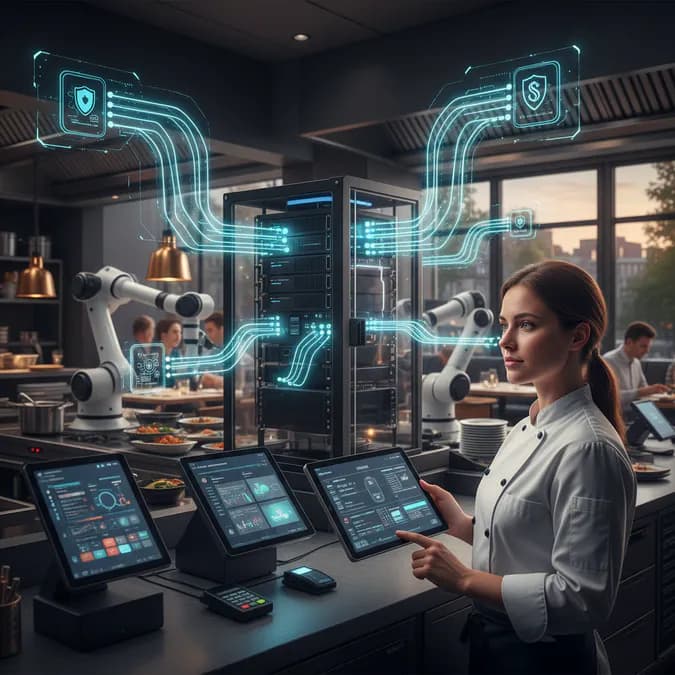
Restaurant automated pipelines refer to integrated systems that use technology to streamline and automate various processes within a restaurant environment. These sophisticated pipelines can encompass everything from ordering and food preparation to delivery and customer service management. The primary goal is to increase operational efficiency, reduce labor cos

Key Components of Automated Pipelines
- Automated Ordering Systems: These platforms allow customers to place orders through self-service kiosks, mobile applications, or online ordering portals. Orders are then automatically routed to the kitchen management system for immediate preparation, eliminating manual order entry and reducing errors.
- Robotic Food Preparation: Advanced robots can be deployed to perform repetitive culinary tasks such as chopping vegetables, assembling sandwiches and burgers, or even cooking entire meals with precision and consistency that matches or exceeds human performance.
- Automated Inventory Management: Real-time tracking systems monitor inventory levels continuously, automatically triggering reorders when supplies fall below predetermined thresholds. This approach helps reduce food waste, prevents stockouts, and ensures restaurants maintain optimal ingredient availability.
- Automated Delivery Systems: Emerging technologies including drones and autonomous vehicles enable restaurants to deliver food directly to customers, significantly reducing delivery times, lowering transportation costs, and improving customer satisfaction metrics.
- Automated Customer Service: Intelligent chatbots and AI-powered virtual assistants handle customer inquiries, process orders, provide real-time support, and gather valuable feedback without requiring human intervention.
Benefits of Implementing Automated Pipelines
Implementing restaurant automated pipelines delivers a comprehensive range of operational and financial benefits that directly impact the bottom line:
- Increased Efficiency: Automation significantly accelerates various operational processes, enabling restaurants to serve substantially more customers in less time while maintaining quality standards and reducing wait times.
- Reduced Costs: By automating labor-intensive tasks, restaurants can reduce overall labor expenses, minimize ingredient waste, and optimize resource allocation across all operational areas.
- Improved Consistency: Robots and automated systems ensure that food is prepared with identical specifications every single time, regardless of which staff member is operating the equipment, resulting in predictable quality.
- Enhanced Customer Experience: Streamlined ordering and delivery systems make it significantly easier and more convenient for customers to order food and receive it promptly, increasing satisfaction and repeat business.
- Data-Driven Insights: Automated systems continuously collect valuable data on customer preferences, sales trends, peak hours, and operational efficiency metrics, providing actionable intelligence for strategic decision-making.
Challenges of Implementing Automated Pipelines
While the benefits of restaurant automated pipelines are substantial, restaurants must carefully consider several significant challenges before committing to implementation:
- High Initial Investment: Deploying automated systems requires substantial upfront capital investment in specialized equipment, software licenses, infrastructure upgrades, and system integration, which can strain restaurant budgets.
- Integration Complexity: Connecting new automated systems with existing restaurant infrastructure, point-of-sale systems, and legacy software can be technically complex, time-consuming, and may require specialized expertise.
- Maintenance and Support: Automated systems demand regular maintenance, software updates, technical support, and troubleshooting, which adds ongoing operational costs and requires dedicated technical resources.
- Employee Training: Staff members need comprehensive training on how to operate, monitor, and maintain automated systems, requiring significant time investment and potentially causing temporary productivity disruptions.
- Customer Acceptance: Some customer segments may feel hesitant or uncomfortable interacting with robots or fully automated ordering systems, preferring traditional human interaction and personal service elements.
10 Essential Tips for Implementing Automated Pipelines
Successfully implementing automated pipelines in your restaurant requires strategic planning and careful execution. Here are ten proven tips to guide your automation journey:
1. Start with a Clear Assessment of Your Needs
Before investing in automated pipelines, conduct a thorough analysis of your restaurant's current operations. Identify bottlenecks, inefficiencies, and areas where automation would deliver the greatest return on investment. Research indicates that restaurants focusing automation efforts on their most time-consuming processes see faster payback periods and higher satisfaction rates.
2. Choose the Right Technology Partner
Select a technology vendor with proven experience in restaurant automation and automated pipelines. Look for partners who understand your specific restaurant type, offer comprehensive support, provide training resources, and have a track record of successful implementations in similar establishments.
3. Prioritize Integration Compatibility
Ensure that any automated pipelines you implement can seamlessly integrate with your existing point-of-sale system, inventory management software, and other critical business applications. Poor integration can create data silos and negate many automation benefits.
4. Invest in Comprehensive Staff Training
Allocate sufficient time and resources for thorough employee training on all aspects of your automated pipelines. Well-trained staff can troubleshoot minor issues, maximize system efficiency, and help identify opportunities for continuous improvement.
5. Implement Gradually Rather Than All at Once
Consider a phased approach to implementing automated pipelines, starting with one or two key processes before expanding to other areas. This strategy reduces disruption, allows staff to adapt gradually, and provides opportunities to refine your approach based on real-world experience.
6. Monitor Key Performance Indicators Closely
Establish clear metrics to measure the performance of your automated pipelines, including order accuracy rates, processing times, customer satisfaction scores, labor cost reductions, and waste reduction percentages. Regular monitoring helps identify issues early and demonstrates ROI to stakeholders.
7. Maintain a Human Touch in Customer Service
While automated pipelines improve efficiency, ensure that customers can still access human support when needed. Hybrid approaches that combine automation with personalized service often deliver the best customer experience and loyalty outcomes.
8. Plan for Ongoing Maintenance and Updates
Budget for regular maintenance, software updates, and technical support for your automated pipelines. Preventive maintenance reduces unexpected downtime and ensures your systems continue operating at peak efficiency.
9. Gather and Act on Customer Feedback
Use the data collection capabilities of your automated pipelines to gather customer feedback about their automation experience. Use this insight to refine processes, address pain points, and continuously improve the customer experience.
10. Stay Informed About Emerging Technologies
The restaurant automation landscape evolves rapidly. Stay current with emerging technologies, industry best practices, and innovations in automated pipelines to ensure your systems remain competitive and leverage new capabilities as they become available.
Future Trends in Restaurant Automated Pipelines
The future of restaurant automated pipelines is likely to be shaped by several transformative trends:
- Increased Use of Artificial Intelligence: Artificial intelligence will play an increasingly central role in automating various aspects of restaurant operations, from predictive demand forecasting to dynamic menu pricing optimization and personalized customer recommendations.
- Integration with Internet of Things (IoT): The Internet of Things will enable restaurants to connect diverse devices and systems into unified networks, creating seamless, efficient operations where equipment communicates automatically and shares real-time data.
- Personalized Customer Experiences: Advanced automated pipelines will leverage customer data to deliver highly personalized experiences, including customized menu recommendations, targeted promotions, and individualized service preferences.
- Sustainable Automation Practices: Automated systems will increasingly focus on environmental sustainability, helping restaurants reduce food waste, optimize energy consumption, and minimize their overall carbon footprint.
- Robotics-as-a-Service (RaaS) Models: This emerging business model allows restaurants to lease robots and automated systems rather than purchasing them outright, significantly reducing upfront capital requirements and providing greater flexibility.
Key Takeaways
Restaurant automated pipelines are fundamentally transforming the food service industry by dramatically increasing operational efficiency, reducing costs, and elevating the customer experience. While implementing these systems presents real challenges including significant upfront investment and integration complexity, the benefits are substantial and measurable. As technology continues to advance at a rapid pace, we can confidently expect to see even more innovative and sophisticated applications of automation throughout the restaurant industry, creating new competitive advantages for early adopters.
For restaurants looking to maintain competitiveness in today's increasingly digital marketplace, embracing automated pipelines is becoming progressively essential. By carefully weighing the benefits against challenges, conducting thorough needs assessments, selecting appropriate technology partners, and staying informed about emerging trends, restaurants can successfully leverage automation to optimize operations and consistently deliver superior experiences to their customers.
Frequently Asked Questions (FAQ)
What are the main benefits of automated pipelines in restaurants?
The primary benefits of automated pipelines include significantly increased operational efficiency, reduced labor and operational costs, improved food preparation consistency, enhanced customer experience through faster service, and access to valuable data-driven insights that inform strategic decision-making.
What challenges do restaurants face when implementing automated pipelines?
Key challenges include substantial high initial investment requirements, complex integration with existing systems, ongoing maintenance and support needs, comprehensive employee training requirements, and potential customer hesitation about interacting with automated systems rather than human staff.
What future trends can we expect in restaurant automation?
Expected future trends in automated pipelines include expanded artificial intelligence applications, deeper Internet of Things integration, increasingly personalized customer experiences, greater emphasis on sustainable automation practices, and growth of Robotics-as-a-Service business models that reduce upfront costs.
How long does it typically take to implement automated pipelines?
Implementation timelines for automated pipelines vary significantly based on system complexity, integration requirements, and restaurant size. A phased approach typically takes 3-6 months for initial deployment, with full optimization occurring over 12+ months as staff become proficient and processes are refined.
What is the typical return on investment for restaurant automated pipelines?
Research indicates that restaurants implementing automated pipelines typically see return on investment within 18-36 months, depending on the specific systems deployed, labor cost structures, and operational efficiency gains achieved. Many restaurants report ongoing cost savings of 20-35% annually after full implementation.
Can small restaurants benefit from automated pipelines?
Yes, small restaurants can absolutely benefit from automated pipelines, though they may need to prioritize specific high-impact automation opportunities. Robotics-as-a-Service models and cloud-based ordering systems make automation increasingly accessible to restaurants of all sizes.