
Introduction to ADM's 2026 Culinary Trends
ADM's annual Global Culinary Trends report serves as a barometer for the evolving tastes and preferences of consumers worldwide. The 2026 edition highlights five key trends that are reshaping the culinary landscape:
- Third Culture Cuisine - Emphasizing global fusion.
- Social Approval - Focusing on inclusive and diverse menu options.
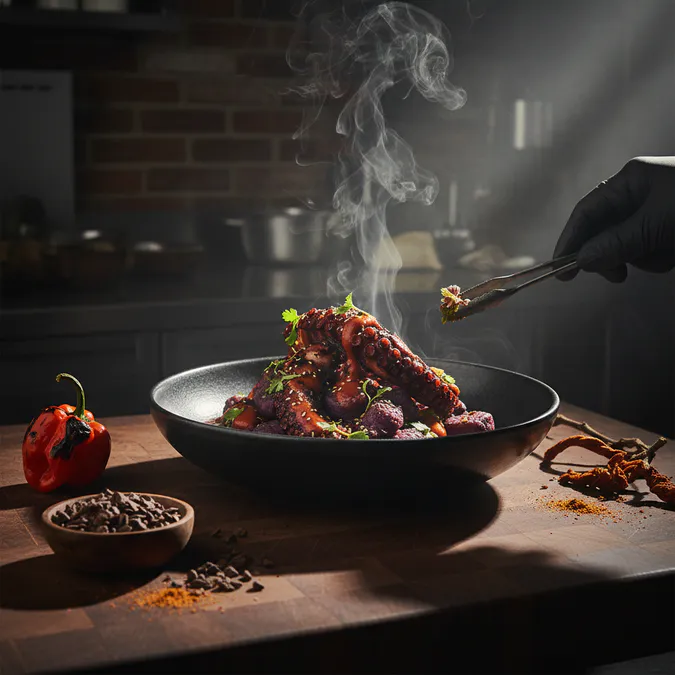
- Big-Impact Bites - Catering to flexible and on-the-go eating habits.
- Maxxing Your Way - Highlighting intentional and intense flavor experiences.
- Experiencing the Experience - Emphasizing meaningful and immersive dining.
These trends reflect a broader societal shift towards globalization, migration, and digital connectivity, where diners are increasingly seeking innovative and diverse culinary experiences.
Trend 1: Third Culture Cuisine - Global Fusion
Third Culture Cuisine is a standout trend that encapsulates the blending of culinary traditions from various cultures. This trend is inspired by the concept of 'third culture kids'—individuals raised across multiple cultures who create authentic culinary fusions based on their diverse backgrounds. Examples include:
- Kogi Korean tacos by chef Roy Choi, which blend Korean flavors with Mexican street food.
- Filipino-Cuban dishes like those from Bayan Ko, showcasing the rich heritage of both cultures.
- Innovative recipes such as Mojo Pork Bao (Cuban-Chinese) and Mochi Brownies (Japanese-French-American).
As society becomes more interconnected, consumers are increasingly open to exploring flavors that reflect the blending of cultures. According to the SupHerb Farms Team, "Third-Culture Cuisine aligns perfectly with this mindset, offering dishes that feel both comforting and adventurous." This trend not only influences restaurant menus but also encourages food manufacturers to develop hybrid ingredients and sauces that cater to this growing demand for diversity.
Trend 2: Social Approval - Inclusive Menus
The Social Approval trend emphasizes the importance of inclusivity in dining experiences. Consumers are increasingly seeking menus that reflect diverse identities and dietary needs, including vegetarian, vegan, gluten-free, and allergen-friendly options. This trend is driven by a desire for representation and acknowledgment of various cultural backgrounds and dietary preferences.
Restaurants and food brands are responding by creating menus that cater to a wider audience, ensuring that everyone can find something enjoyable to eat. This shift not only enhances customer satisfaction but also fosters a sense of community and belonging among diners. As noted by the Culinary Writer Anithya Balachandran, "In the realm of Third Culture Cuisine, authenticity transcends traditional constraints, allowing chefs to reinterpret and reimagine classic dishes in new and unexpected ways."
Trend 3: Big-Impact Bites - Flexible Eating
As lifestyles become busier, the demand for convenient and portable food options has surged. The Big-Impact Bites trend caters to on-the-go consumers who seek nutrient-dense snacks that are both satisfying and easy to eat. This trend includes:
- Portable snacks like protein bars, energy bites, and gourmet popcorn.
- Ready-to-eat meals that combine convenience with high-quality ingredients.
- Fusion snacks that incorporate flavors from various cuisines, such as Gochujang-Mayonnaise and Ponzu-Italian dressings.
The rise of Big-Impact Bites reflects a growing consumer preference for food that fits seamlessly into their active lifestyles while still delivering on taste and nutrition. As reported by RiceSelect, Asian cuisine is one of the most popular worldwide, further driving the demand for innovative fusion snacks.
Trend 4: Maxxing Your Way - Intentional Intensity
Maxxing Your Way focuses on intentional and intense flavor experiences. Consumers are increasingly seeking bold and adventurous flavors that provide a sensory thrill. This trend encourages chefs and food brands to experiment with unique flavor combinations and cooking techniques to create memorable dining experiences.
Examples of this trend include:
- Spicy and tangy sauces that elevate traditional dishes.
- Unexpected flavor pairings, such as sweet and savory combinations.
- Artisanal products that emphasize quality and craftsmanship.
As diners become more adventurous, the demand for intense flavors will likely continue to grow, prompting chefs to push the boundaries of traditional cooking.
Trend 5: Experiencing the Experience - Meaningful Dining
The final trend, Experiencing the Experience, emphasizes the importance of creating meaningful and immersive dining experiences. Consumers are increasingly looking for more than just a meal; they seek connections, stories, and memorable moments. This trend manifests in various ways, including:
- Themed dining experiences that transport diners to different cultures.
- Interactive cooking classes and chef-led events that engage guests.
- Farm-to-table concepts that highlight the origin of ingredients and support local producers.
As restaurants and food brands focus on creating memorable experiences, they can foster deeper connections with their customers, enhancing loyalty and satisfaction.
Implications for the Food Industry
The trends identified in ADM's 2026 Global Culinary Trends report have significant implications for the food industry. As consumer preferences evolve, food manufacturers, restaurants, and chefs must adapt to meet the changing demands of their customers. Key implications include:
- Increased focus on cultural fusion and diversity in menu offerings.
- Development of inclusive and accessible dining options for various dietary needs.
- Emphasis on convenience and portability in food products.
- Innovation in flavor profiles and culinary techniques to create memorable experiences.
- Investment in immersive dining experiences that foster connections and storytelling.
These trends not only reflect changing consumer preferences but also highlight the importance of adaptability and creativity in the food industry.
Conclusion
ADM's 2026 Global Culinary Trends report provides valuable insights into the future of food, showcasing the importance of cultural fusion, inclusivity, convenience, bold flavors, and meaningful dining experiences. As the culinary landscape continues to evolve, industry professionals must stay attuned to these trends to meet the demands of an increasingly diverse and adventurous consumer base. By embracing these trends, chefs and food brands can create innovative dishes and experiences that resonate with diners, ensuring a flavorful future for the food industry.
Key Takeaways
- The 2026 culinary trends emphasize global fusion and inclusivity.
- Consumers are seeking meaningful and immersive dining experiences.
- Flexibility and convenience in food options are increasingly important.
- Intentional flavor intensity is a growing consumer preference.
Frequently Asked Questions
What are the key trends in the 2026 culinary landscape?
The key trends include Third Culture Cuisine, Social Approval, Big-Impact Bites, Maxxing Your Way, and Experiencing the Experience.
How do these trends affect the food industry?
These trends drive food manufacturers and restaurants to innovate, create inclusive menus, and focus on immersive dining experiences.
Why is inclusivity important in culinary trends?
Inclusivity ensures that diverse dietary needs and cultural backgrounds are represented in dining options, enhancing customer satisfaction.
What is Third Culture Cuisine?
Third Culture Cuisine refers to the blending of culinary traditions from various cultures, often inspired by individuals raised in multiple cultural environments.
How can restaurants implement these trends?
Restaurants can implement these trends by diversifying their menus, creating immersive dining experiences, and focusing on bold flavors.