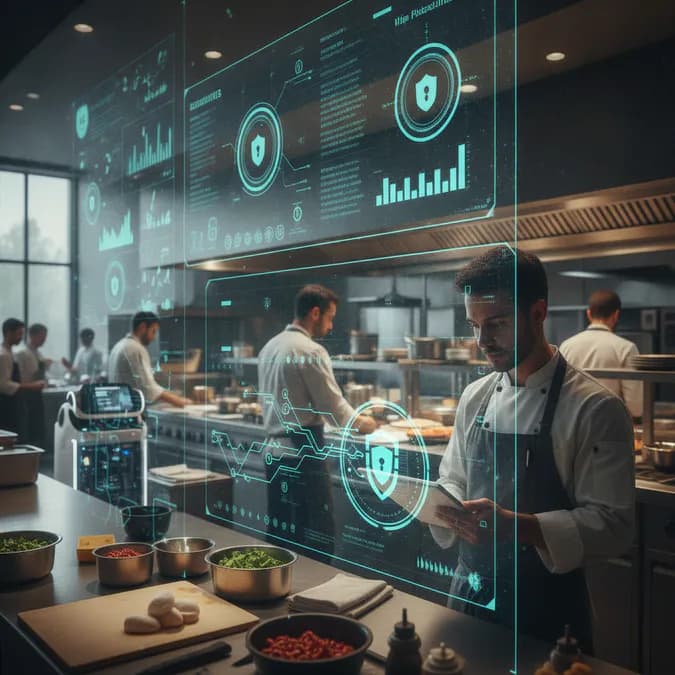
The restaurant industry in 2026 is at a crossroads. While diners continue to chase viral dishes and trending flavors amplified by TikTok and social media, independent restaurant operators face mounting pressure from tight budgets, labor challenges, and rising guest expectations. According to the James Beard Foundation's 2026 Independent Restaurant Industry Report, the restaurant food trends 2026 shaping dining this year are no longer driven solely by chefs and critics—they're increasingly influenced by social platforms, consumer spending patterns, and the widening gap between what guests expect and what restaurants can realistically deliver.
Understanding these trends requires looking beyond the menu. The James Beard Foundation, one of America's most influential culinary organizations, has identified four core operational trends that define 2026: margin protection, workforce support, expanding technology use, and the consumer expectation gap. These forces are reshaping not just what restaurants serve, but how they operate, market themselves, and engage with their communities.
The Social Media Effect on Restaurant Trends
Social media has become the primary driver of restaurant trend adoption in 2026. According to the James Beard Foundation's research, 49% of surveyed chefs ranked social media as a top trend expected to affect their restaurant operations this year. This represents a fundamental shift in how culinary trends spread and gain momentum.
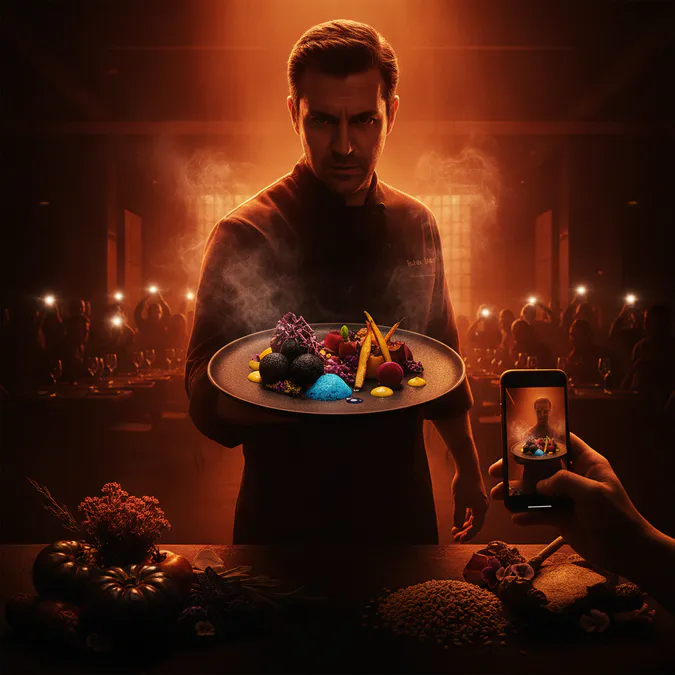 >TikTok, Instagram, and other platforms are no longer just marketing channels—they're trend-setting engines. A viral video of a unique dish, innovative cooking technique, or eye-catching plating can send diners searching for that exact experience within hours. This creates both opportunity and pressure for restaurants. Chefs must balance the desire to create Instagram-worthy dishes with the practical realities of kitchen operations and food costs.
Independent restaurants are responding by prioritizing social media marketing and in-person engagement as core business strategies. Rather than relying solely on traditional advertising or word-of-mouth, operators are actively building communities around their brands, engaging directly with followers, and creating shareable moments that drive foot traffic. This approach has become essential for staying relevant in 2026's competitive dining landscape.
How Viral Trends Impact Menu Development
The speed at which trends now spread means restaurants must be agile in their menu development. A dish that trends on social media can drive significant traffic, but only if the restaurant can execute it consistently and profitably. This requires chefs to think strategically about which trends align with their existing capabilities, ingredient sourcing, and operational capacity.
Successful restaurants in 2026 are those that can identify emerging trends early, adapt them to their unique concept and capabilities, and execute them at scale without compromising quality or margins. This is a delicate balance that separates restaurants that ride trends successfully from those that chase them unsuccessfully.
Consumer Budget Pressure and Changing Dining Habits
While social media amplifies food trends, consumer spending patterns are telling a different story. The James Beard Foundation's research reveals a sobering reality: consumers are eating out less and discretionary spending intentions remain below 2021 levels. This budget pressure is reaching a tipping point, reducing restaurant traffic and fundamentally altering dining behavior across the industry.
This creates a paradox central to 2026's restaurant landscape. Diners are actively seeking out must-try dishes and destination restaurants—they're chasing trends more than ever. Yet simultaneously, they're spending less money and being more selective about where and when they dine out. Restaurants must therefore create experiences that feel worth the investment, delivering exceptional value and memorable moments that justify the expense.
For independent operators, this means menu innovation cannot come at the expense of profitability. Trending ingredients and techniques must be balanced against food costs, labor expenses, and the need to maintain healthy margins. The restaurants succeeding in 2026 are those that understand this tension and navigate it strategically, offering trend-forward menus without sacrificing operational sustainability.
The Value Proposition in 2026
Diners in 2026 are more discerning about value than ever before. They want to feel like they're getting something special—whether that's a unique dish, exceptional service, or an authentic experience—that justifies the cost. Restaurants that clearly communicate their value proposition and deliver on it consistently are better positioned to maintain traffic despite budget pressures.
The Four Pillars of 2026 Restaurant Operations
The James Beard Foundation identified four major trends shaping the 2026 restaurant landscape, and understanding each is critical for anyone interested in where dining is headed.
1. Margin Protection
With consumer spending down and food costs remaining volatile, protecting profit margins has become a top priority. Restaurants are rethinking portion sizes, ingredient sourcing, and menu engineering to maintain profitability while still offering compelling dishes. This doesn't necessarily mean reducing quality—it means being strategic about where money is spent and ensuring every menu item contributes to the bottom line.
Smart operators are analyzing their menu data to identify which dishes drive both traffic and profit, then building their menus around those winners while carefully managing the cost of trend-forward items that may have lower margins but high customer appeal.
2. Workforce Support
Labor challenges continue to plague the industry. Restaurants are investing in employee retention, training, and workplace culture as a way to reduce turnover and maintain service quality. The best restaurants in 2026 recognize that their staff is their competitive advantage, and they're backing that up with better pay, benefits, and working conditions.
This investment in workforce support isn't just about doing the right thing—it's a business imperative. Restaurants with stable, well-trained staff deliver better service, maintain consistency, and build stronger customer relationships. In a year when consumers are being selective about where they spend dining dollars, service quality can be a decisive factor.
3. Expanding Technology Use
From reservation systems and kitchen management software to online ordering and delivery integrations, technology is becoming embedded in restaurant operations. Chefs and operators are using data analytics to understand customer preferences, optimize menus, and improve efficiency. Technology also enables the social media marketing strategies that have become essential for trend amplification.
Restaurants that effectively leverage technology in 2026 gain significant advantages: they can respond faster to trends, understand their customers better, operate more efficiently, and create seamless experiences across multiple channels. However, technology is a tool, not a solution—it must be implemented thoughtfully and integrated with strong operational fundamentals.
4. The Consumer Expectation Gap
Perhaps the most challenging trend is the widening disconnect between what guests expect and what independent restaurants can realistically deliver. Diners influenced by viral content and high-end restaurant experiences expect that level of quality and presentation everywhere. Yet many independent operators lack the resources, staff, or scale to consistently meet those expectations.
Bridging this gap requires clear communication, authentic storytelling, and delivering excellence within realistic operational constraints. Restaurants that set appropriate expectations and consistently exceed them build stronger customer loyalty than those that overpromise and underdeliver. Authenticity and transparency about what a restaurant offers—and what it doesn't—have become valuable competitive advantages.
Non-Alcoholic Beverages and Evolving Consumer Preferences
One specific trend gaining traction in 2026 is the rise of non-alcoholic beverages. As consumers become more health-conscious and seek alternatives to traditional alcohol, restaurants are expanding their non-alcoholic drink programs. This includes sophisticated mocktails, craft sodas, kombucha, and other innovative beverages that can command premium pricing while appealing to a broader audience.
This trend reflects broader shifts in consumer preferences toward wellness and mindful consumption. Restaurants that develop compelling non-alcoholic beverage programs can capture revenue from guests who don't drink alcohol while also offering options for designated drivers and those simply seeking variety. It's a trend that addresses both consumer expectations and operational opportunity.
Building Premium Non-Alcoholic Programs
The most successful non-alcoholic beverage programs in 2026 treat these drinks with the same care and creativity as cocktails. Rather than offering basic soft drinks, restaurants are creating signature mocktails with house-made syrups, fresh ingredients, and sophisticated flavor profiles. This approach allows restaurants to command premium pricing while delivering genuine value to customers.
Community-Driven Dining and Local Engagement
Independent restaurants are increasingly turning to community-driven dining as a way to build loyalty and differentiate themselves in a crowded market. Rather than competing on trend-chasing alone, successful operators are creating spaces where regulars feel valued, where local suppliers are celebrated, and where the restaurant becomes a gathering place rather than just a transaction.
This approach leverages in-person engagement and authentic storytelling to create emotional connections with diners. It's particularly effective for independent restaurants that may not have the marketing budgets of larger chains but can offer something chains cannot: genuine community connection and personalized service.
Building Loyalty Through Authenticity
In an era of viral trends and social media marketing, restaurants that build genuine community connections often develop more stable, loyal customer bases. Regular diners who feel welcomed and valued become advocates for the restaurant, driving word-of-mouth traffic and providing stable revenue even when trends shift. This long-term approach to building business complements trend-chasing strategies and provides resilience during slower periods.
Looking Ahead: The James Beard Awards and Industry Recognition
The James Beard Foundation's annual awards ceremony, scheduled for June 15, 2026, will serve as a key moment for spotlighting trend-setting restaurants and chefs. The organization's 2026 nominees represent the restaurants and culinary leaders likely to influence national dining attention and menu trends in the months ahead. These awards don't just recognize excellence—they shape industry conversation and often accelerate the adoption of certain culinary approaches and philosophies.
For restaurants and chefs seeking to understand where the industry is heading, paying attention to the James Beard Awards nominees and winners provides valuable insight into which trends have staying power and which are likely to fade. The restaurants and chefs recognized by the James Beard Foundation typically represent the cutting edge of American culinary culture, and their approaches often influence broader industry trends.
What This Means for Diners and the Industry
The 2026 restaurant landscape reflects a maturing food culture where trends spread faster than ever, yet sustainability and operational reality matter more than ever. Diners have unprecedented access to culinary inspiration and can seek out specific dishes and experiences with ease. Yet restaurants must balance this demand for novelty and trend-forward menus with the practical realities of running a sustainable business.
For diners, this means being thoughtful about where to spend dining dollars, supporting independent restaurants that are innovating responsibly, and understanding that the best dining experiences often come from places that balance creativity with authenticity. For restaurant operators, it means embracing social media and technology while staying grounded in operational fundamentals, investing in staff, and building genuine community connections.
The restaurants thriving in 2026 are those that understand this balance—that recognize social media as a tool for connection rather than just promotion, that innovate with their margins and workforce in mind, and that see their role as more than just serving food. They're creating experiences, building communities, and proving that trend-forward dining and sustainable operations aren't mutually exclusive.
The James Beard Foundation's research and annual awards continue to provide the most authoritative guide to where American restaurant culture is heading. By understanding the four core trends shaping 2026—margin protection, workforce support, technology, and the consumer expectation gap—both diners and operators can navigate this dynamic year with greater insight and intention.
Sources
- Automated Pipeline
- 2026 Independent Restaurant Industry Report
- The 2026 James Beard Awards nominees page
- Flavor & The Menu: Top 10 Trends 2026 Panel of Experts
- National Restaurant Association: 2026 State of the Restaurant Industry
- Source: youtube.com
- Source: jamesbeard.org
Key Takeaways
- Social media is a key driver of restaurant food trends in 2026.
- Consumers are more selective about dining out due to budget pressures.
- Restaurants must balance trend-forward menus with operational sustainability.
- Community engagement is crucial for independent restaurants to build loyalty.
- Non-alcoholic beverages are on the rise as consumers seek healthier options.
FAQ
- What are the main restaurant food trends for 2026?
- The main restaurant food trends for 2026 include social media influence, budget-conscious dining, non-alcoholic beverage options, and community-driven dining experiences.
- How is social media affecting restaurant trends?
- Social media platforms like TikTok and Instagram are driving the popularity of viral dishes and influencing how restaurants market their offerings.
- What should restaurants focus on to succeed in 2026?
- Restaurants should focus on balancing trend-forward menus with operational sustainability, investing in workforce support, and engaging with their local communities.