
2026 Food Trends Overview
The food landscape is shifting dramatically as we head into 2026. Major retailers and trend forecasters are predicting a significant departure from the heavily processed, engineered foods that dominated recent years. Instead, consumers are gravitating toward premium proteins, personalized meals, and ingredients that feel authentic and satisfying. This comprehensive
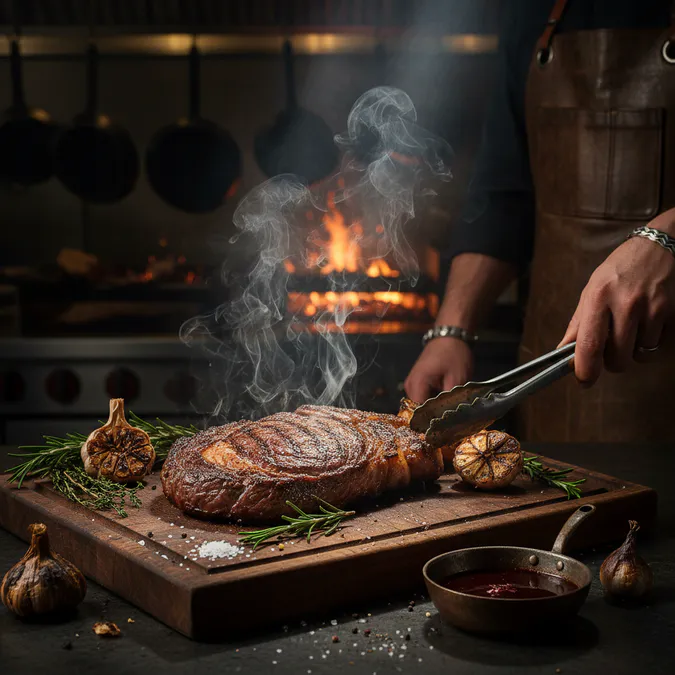
Consumers in 2026 are rediscovering pleasure and pragmatism in food. According to Gabriel Llaurado, Co-founder of Meat N' Bone, "Consumers in 2026 are rediscovering pleasure and pragmatism in food." This shift represents a fundamental change in how people approach eating. The broader macrotheme emerging across the industry is a backlash against overprocessed, overly engineered products and a preference for ingredients that feel simple, specific, and satisfying.
The food trend forecasts for 2026 reveal a mix of nostalgia, personalization, and functionality. Consumers are seeking foods that feel indulgent but practical: premium proteins, smaller portions, and single-serve meals that fit busy routines. At the same time, social platforms continue to shape what people want to eat and drink, accelerating visually striking categories that photograph well and generate engagement online.
The Return of Red Meat
One of the most significant trends emerging for 2026 is the renewed interest in red meat consumption. After years of plant-based alternatives dominating conversations and menus, consumers are returning to premium proteins with renewed enthusiasm. This isn't simply a return to old habits—it's a conscious choice to embrace what many view as a superior, more satisfying ingredient.
The resurgence of red meat reflects broader consumer sentiment about authenticity and quality. Rather than settling for engineered substitutes, people are choosing to invest in higher-quality animal proteins that deliver superior taste, texture, and nutritional value. This trend aligns with what Gabriel Llaurado describes as consumers rediscovering pleasure in food—the idea that eating should be both enjoyable and nourishing.
According to Innova Market Insights, the market is experiencing pressure on protein formats, texture, and value across both meat and plant-based categories. This competitive environment is driving innovation and quality improvements across the entire protein landscape. For consumers, this means more options, better quality, and greater transparency about sourcing and production methods.
The shift away from plant-based alternatives doesn't represent a rejection of plant-forward eating entirely. Rather, as Gabriel Llaurado notes, "We're also watching the great plant-based reset: consumers are moving away from overly engineered substitutes and embracing honest, whole-food simplicity." This suggests that consumers are becoming more discerning, choosing whole foods over processed alternatives regardless of whether they're plant or animal-based.
Blue Beverages: The Next Color Trend
While red meat represents a return to tradition, blue beverages exemplify how social media and visual appeal are driving food innovation in 2026. Blue-colored drinks are emerging as a notable trend, driven largely by their novelty and Instagram-worthy appearance. These beverages represent the intersection of functionality, aesthetics, and social media influence.
The rise of blue drinks reflects a broader pattern in food trends: what looks striking on social media often becomes a consumer priority. Food and beverage companies are capitalizing on this by developing blue-hued drinks that appeal to younger demographics and social media users. Whether derived from natural ingredients like butterfly pea flower or created through food coloring innovations, these beverages are becoming increasingly visible on menus and in retail settings.
This trend demonstrates how visual appeal has become as important as taste in driving food choices. The ability to create shareable, photogenic meals and drinks has become a key marketing tool for restaurants and food brands. Blue beverages fit perfectly into this landscape, offering novelty, visual interest, and the kind of distinctive appearance that encourages social sharing.
The 'Me-Me-Me' Economy and Solo Dining
Perhaps one of the most significant shifts in consumer behavior for 2026 is the rise of the "me-me-me" economy, which is fueling growth in solo dining and highly personalized meal options. This trend reflects broader changes in how people live, work, and eat. More consumers are dining alone by choice, seeking meals tailored specifically to their preferences, dietary needs, and lifestyle.
Solo dining is no longer viewed as a consolation prize or something to be embarrassed about. Instead, it's becoming a deliberate choice that allows consumers to prioritize their own preferences and enjoy meals on their own terms. Restaurants and food brands are responding by creating experiences and menu options specifically designed for solo diners.
This shift has profound implications for the food industry. It's driving demand for smaller portions, single-serve meals, and highly customizable options. It's also changing how restaurants design their spaces, with more accommodating seating at bars and counters where solo diners feel comfortable and welcome.
The Psychology of Solo Dining
The growth of solo dining reflects changing attitudes toward independence and self-care. Consumers increasingly view dining alone as an opportunity for self-indulgence and personal enjoyment rather than as a lonely or awkward experience. This psychological shift is enabling the food industry to create dedicated products and experiences for solo diners.
Single-Serve and Personalized Meals
The rise of solo dining is directly connected to the explosion of single-serve and personalized meal options. Consumers want meals that are tailored to their specific needs, preferences, and dietary requirements. This has led to innovation across multiple food categories, from grab-and-go options to restaurant-quality meals designed for one.
Single-serve meals offer several advantages that appeal to modern consumers:
- Portion control and reduced food waste
- Convenience and time-saving benefits
- Ability to customize exactly what you're eating
- Reduced commitment and flexibility
- Personalized nutrition and dietary accommodation
Whether it's a pre-portioned protein bowl, a single-serve pasta dish, or a personalized smoothie, these options allow consumers to eat exactly what they want without compromise. The personalization aspect is equally important. Consumers want to feel that their meals are made specifically for them, reflecting their tastes, dietary restrictions, and nutritional goals. This has driven innovation in meal customization technology, from apps that let you build your own meals to restaurants that offer extensive modification options.
The Role of Technology in Personalization
Technology is playing an increasingly important role in enabling personalized meals. Apps and online platforms allow consumers to specify their preferences, dietary restrictions, and nutritional goals before ordering. Some restaurants are using data analytics to predict customer preferences and suggest personalized menu items. This intersection of technology and food is creating new opportunities for both established brands and startups.
Cabbage: The Vegetable Making a Comeback
While premium proteins and trendy beverages grab headlines, cabbage is quietly positioning itself as one of 2026's most important ingredients. This humble vegetable is experiencing a renaissance, driven by its versatility, affordability, and sustainability credentials.
Cabbage is being reinvented for modern cooking. It's appearing in everything from elevated restaurant dishes to home-cooked meals, proving that simple, traditional ingredients can be transformed into contemporary cuisine. The vegetable's appeal lies in its flexibility:
- Fermented into sauerkraut and other probiotic foods
- Shredded into slaws and salads
- Roasted until crispy for textural contrast
- Incorporated into soups, stews, and stir-fries
- Used as a low-carb wrap alternative
- Pickled for extended shelf life and flavor complexity
Beyond its culinary versatility, cabbage represents a broader consumer preference for whole, unprocessed ingredients. It's budget-friendly, nutritious, and sustainable—qualities that increasingly matter to conscious consumers. In an era of food waste awareness and economic consciousness, cabbage offers a practical solution that doesn't compromise on nutrition or flavor.
Cabbage's Nutritional Profile
Cabbage is nutrient-dense, providing significant amounts of vitamin C, vitamin K, and fiber while remaining low in calories. Its affordability makes it accessible to consumers across all income levels, while its long shelf life and minimal waste make it an environmentally responsible choice. These factors combine to position cabbage as a staple ingredient for 2026 and beyond.
What Major Retailers Are Predicting
Major retailers and market research firms are providing detailed forecasts for 2026 that help illuminate these broader trends. Understanding what the largest food retailers are predicting offers valuable insight into where the industry is heading.
Kroger's 2026 Food Trend Predictions
Kroger, one of the nation's largest grocery chains, has identified six major consumer-food themes for 2026. The retailer emphasizes that "Protein will find its perfect pair with fiber," reflecting consumer demand for foods that are both satisfying and nutritionally complete. This pairing addresses a key consumer concern: eating foods that taste good while also supporting health and wellness goals.
Kroger's forecast also highlights the importance of grazing and mini meals, as well as restaurant-style home cooking. These trends align with the broader shift toward personalization and convenience. Consumers want to eat like they're dining at a restaurant, but in the comfort of their own homes, with meals that fit their busy schedules.
Whole Foods Market's Eight Trend Predictions
Whole Foods Market has published eight trend predictions for 2026, including the comeback of tallow and the rise of fiber-forward foods. Tallow, a traditional cooking fat derived from animal fat, represents the broader trend of consumers returning to ancestral ingredients and cooking methods. This aligns with the red meat resurgence and reflects skepticism toward modern processed oils and fats.
The emphasis on fiber-forward foods reflects growing consumer awareness of digestive health and the role of fiber in overall wellness. As consumers become more educated about nutrition, they're seeking foods that deliver functional benefits beyond basic calories and macronutrients.
Innova Market Insights' Competitive Pressure Analysis
Innova Market Insights frames 2026 as a year of pressure on protein formats, texture, and value across both meat and plant-based categories. This competitive environment is driving innovation and quality improvements, ultimately benefiting consumers who have more choices and better products to choose from.
Social Media's Influence on Food Trends
The influence of social media on food trends cannot be overstated. Data from trend analysis shows a 150% increase in TikTok content views related to the keyword 'protein', indicating strong social-media demand for protein-led foods. Additionally, TikTok Shop revenue around the keyword 'protein' has increased 57% year over year, demonstrating that social media interest translates directly into consumer purchasing behavior.
This data reveals how platforms like TikTok are shaping what people eat and drink. Visually appealing, shareable foods and beverages—like blue drinks—gain traction through social media exposure. Conversely, foods that don't photograph well or don't fit current aesthetic trends struggle to gain consumer attention, regardless of their nutritional value or taste.
Frequently Asked Questions
What are the key 2026 food trends?
The key 2026 food trends include the resurgence of red meat, the rise of blue beverages, increased solo dining, and the comeback of cabbage as a staple ingredient.
Why are blue beverages becoming popular?
Blue beverages are gaining popularity due to their visual appeal and social media influence, making them attractive to younger demographics.
How is technology influencing personalized meals?
Technology enables personalized meals through apps and platforms that allow consumers to customize their dietary preferences and nutritional goals.
The Bottom Line
2026 promises to be a transformative year for food and beverage. The trends emerging—from the resurgence of red meat to the rise of blue beverages, the explosion of solo dining, and the comeback of humble vegetables like cabbage—reflect fundamental shifts in how consumers think about food. These aren't fleeting fads but rather expressions of deeper values: authenticity, personalization, sustainability, and pleasure.
The connection between these individual trends is clear. Consumers are moving away from overly engineered substitutes and embracing honest, whole-food simplicity. They want meals that reflect their individual preferences and lifestyles. They're influenced by social media but also seeking genuine quality and nutrition. They're willing to invest in premium ingredients but also appreciate budget-friendly options like cabbage that deliver value.
For consumers, these trends offer exciting opportunities to explore new flavors, formats, and dining experiences. For food brands and restaurants, understanding these trends is essential for staying relevant and meeting evolving consumer expectations. As we move into 2026, the food industry will continue to evolve, driven by consumers who are more conscious, more personalized in their choices, and more willing to experiment with both traditional and innovative options.
Sources
- Automated Pipeline
- Kroger Reveals Food Trend Predictions of 2026
- The Next Big Things: Our Top Food Trend Predictions for 2026
- Meat Trends 2026: Global Market Overview & Meat Alternatives
- 2026 Food Trends: High Quality Protein and Analog Dining
- Food Trend Predictions 2026
- Source: youtube.com
- Source: thefeed.blog