
The food and beverage industry stands at a pivotal moment as we approach 2026. Understanding emerging trends and consumer preferences has never been more critical for restaurants, food brands, and beverage companies looking to stay competitive. A comprehensive industry analysis has emerged that organizes the most significant forces shaping this dynamic sector into five distinct categories: food trends, beverage innovations, restaurant developments, consumer and cultural forces, and marketing strategies.
This multi-faceted approach to trend analysis provides stakeholders across the food industry with a roadmap for navigating the coming year. By examining these five key categories, businesses can better understand where consumer attention is shifting and how to position themselves for success.
Understanding the Five Key Categories of 2026 Food Trends

The framework for analyzing 2026 food trends breaks down into five essential components that collectively paint a picture of industry transformation. Each category represents a distinct area of influence that will shape how food and beverage companies operate, market their products, and engage with consumers.
Food trends themselves represent the first pillar of this analysis. This category encompasses everything from ingredient innovations and flavor profiles to dietary preferences and preparation methods. As consumers become increasingly conscious of their food choices, understanding what's trending in actual food products becomes essential for product development and menu planning.
Beverage innovations form the second critical category. The beverage sector has experienced remarkable evolution in recent years, with consumers exploring everything from functional drinks to plant-based alternatives. This category captures the shifting landscape of what people choose to drink and why.
Restaurant developments represent the third pillar, focusing on how dining establishments are adapting their operations, menus, and customer experiences. This includes everything from technology integration to service models and physical space design.
Consumer and cultural forces constitute the fourth category, examining the broader societal shifts that influence food choices. These forces include demographic changes, lifestyle preferences, values-driven purchasing, and cultural movements that shape what people want to eat and drink.
Marketing trends form the final category, addressing how food and beverage companies communicate with their audiences. This includes digital strategies, influencer partnerships, storytelling approaches, and brand positioning tactics that resonate with modern consumers.
The Evolving Food Landscape
Food trends in 2026 reflect a maturation of consumer consciousness around nutrition, sustainability, and culinary experience. The industry is witnessing a shift away from purely novelty-driven trends toward more substantive innovations that address real consumer needs and values.
Health-conscious eating continues to influence food development, but with greater sophistication than in previous
Sustainability has transitioned from a niche concern to a mainstream expectation. Food companies are increasingly scrutinized on their sourcing practices, packaging choices, and environmental impact. This pressure is driving innovation in areas like regenerative agriculture, alternative proteins, and waste reduction throughout the supply chain.
Culinary authenticity and global flavors continue to gain prominence as consumers seek genuine, culturally-rooted food experiences. Rather than appropriated or diluted versions of international cuisines, there's growing demand for authentic preparations and ingredients that honor culinary traditions.
Beverage Innovation and Consumer Preferences
The beverage category represents one of the most dynamic segments of the food industry. Functional beverages—drinks formulated to deliver specific health benefits—have moved from specialty health stores to mainstream retail. This includes everything from adaptogenic drinks to beverages enhanced with probiotics, collagen, or nootropic compounds.
Plant-based and alternative beverages continue their expansion beyond milk alternatives. Consumers are exploring beverages made from nuts, seeds, grains, and legumes, each offering distinct nutritional profiles and flavor characteristics. The sophistication of these products has improved dramatically, with better taste and texture making them more appealing to broader audiences.
Beverage alcohol categories are also experiencing transformation. Low and no-alcohol options have evolved significantly, with craft producers creating sophisticated alternatives that appeal to consumers seeking moderation or abstinence. Hard seltzers, non-alcoholic spirits, and innovative beer alternatives are capturing market share from traditional categories.
Coffee and tea remain central to beverage culture, but with evolving preparation methods and sourcing practices. Specialty coffee continues to emphasize single-origin beans, sustainable farming practices, and precise brewing techniques. Tea culture is expanding beyond traditional categories into functional tea blends and innovative preparation methods.
Restaurant Industry Transformation
Restaurant developments in 2026 reflect broader changes in how consumers want to dine and what they expect from food service establishments. Technology integration has become essential, from online ordering and delivery platforms to in-restaurant digital experiences and kitchen automation.
The restaurant landscape is diversifying beyond traditional full-service and quick-service models. Ghost kitchens, delivery-only concepts, and hybrid models that combine dine-in with takeout and delivery are reshaping the industry. These alternative formats allow operators to reach customers in new ways and optimize their operations for efficiency.
Labor challenges continue to influence restaurant operations and menu design. Some establishments are responding by emphasizing simpler menus that can be executed efficiently, while others are investing in kitchen automation and technology to reduce labor dependency. Wage pressures are also influencing pricing strategies and menu engineering.
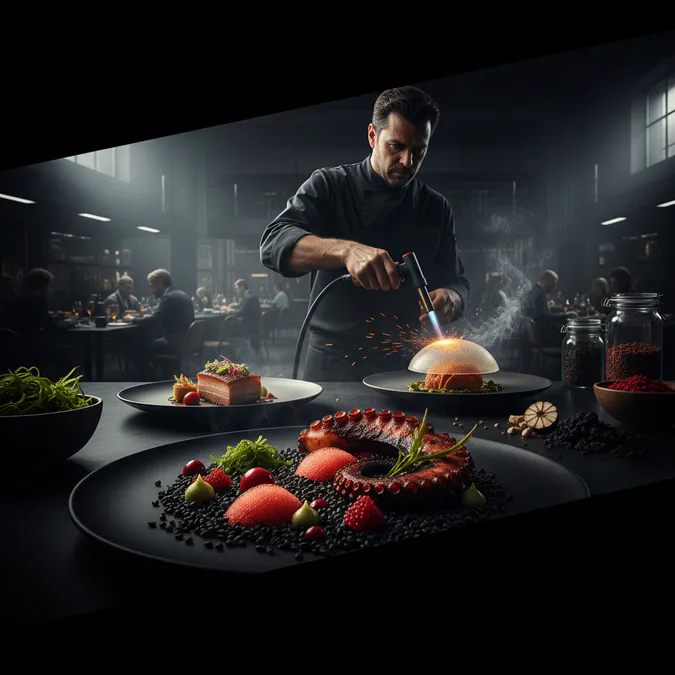
Experience-driven dining is gaining importance as consumers seek more than just food. Restaurants are investing in ambiance, service quality, and unique experiences that justify premium pricing and create memorable moments worth sharing on social media.
Consumer and Cultural Forces Shaping Food Choices
Underlying all industry changes are fundamental shifts in consumer values and cultural priorities. Younger demographics, particularly Gen Z and younger millennials, are driving significant changes in what food and beverage companies must address.
Values-driven purchasing has become increasingly important. Consumers want to know that their food choices align with their beliefs regarding environmental sustainability, animal welfare, fair labor practices, and social justice. This extends beyond the product itself to encompass company values and corporate responsibility.
Diverse dietary preferences and restrictions are becoming the norm rather than the exception. Whether driven by allergies, intolerances, ethical beliefs, or health conditions, consumers expect restaurants and food brands to accommodate various dietary needs without compromising on taste or quality.
Community and connection around food remain powerful cultural forces. Consumers are seeking shared food experiences, whether through dining out, cooking together, or participating in food-related communities. This reflects a broader desire for connection in an increasingly digital world.
Wellness culture continues to influence food choices, but with greater nuance. Rather than extreme diets or restrictive eating patterns, consumers are increasingly interested in balanced, sustainable approaches to nutrition that support overall wellbeing.
Marketing Strategies for 2026
How food and beverage companies communicate with consumers has fundamentally changed. Traditional advertising is less effective, while authentic storytelling and community engagement drive stronger connections.
Social media remains central to food marketing, but the platforms and strategies continue to evolve. Short-form video content, user-generated content, and influencer partnerships remain important, but authenticity and genuine engagement matter more than polished production values.
Transparency in marketing has become essential. Consumers want to understand where their food comes from, how it's made, and what's actually in it. Companies that provide clear, honest information about their products and practices build stronger consumer trust.
Content marketing and educational approaches help food brands position themselves as trusted resources. By providing valuable information about nutrition, cooking techniques, sustainability, or cultural food traditions, brands can build deeper relationships with consumers beyond simple product promotion.
Community-focused marketing strategies that emphasize local connections, support for small producers, or participation in social causes resonate strongly with modern consumers. Brands that demonstrate genuine commitment to community values beyond profit-seeking build stronger loyalty.
Key Takeaways for Industry Success
For restaurants, understanding these five categories of 2026 food trends enables more strategic decision-making around menu development, technology investment, and customer experience design. Success requires balancing innovation with operational efficiency while staying attuned to evolving consumer preferences.
For food and beverage brands, these trends highlight the importance of product innovation that addresses real consumer needs, transparent communication about sourcing and ingredients, and authentic engagement with target audiences. Building brands that align with consumer values creates stronger competitive advantages.
For suppliers and industry partners, recognizing these trends helps inform business development strategies and partnership opportunities. Companies that can support restaurants and brands in addressing these trends—whether through sustainable sourcing, technology solutions, or marketing support—will find growing demand for their services.
The 2026 food and beverage landscape will be shaped by companies that successfully navigate these five key categories. Those that understand the interconnections between food trends, beverage innovation, restaurant operations, consumer values, and effective marketing will be best positioned to thrive in the coming year.
Frequently Asked Questions
What are the key food trends for 2026?
The key food trends for 2026 include health-conscious eating, sustainability, culinary authenticity, beverage innovations, and evolving consumer preferences.
How can restaurants adapt to these food trends?
Restaurants can adapt by embracing technology, simplifying menus, and focusing on unique dining experiences that resonate with modern consumers.
Why is sustainability important in food trends?
Sustainability is crucial as consumers increasingly demand transparency and responsibility from food brands regarding sourcing and environmental impact.
Where can I find more information on food trends?
For more insights, consider visiting authoritative sources such as Food & Wine or Nation's Restaurant News.