
Table of Contents

- Personalization and Bold Flavors
- The Me-Me-Me Economy and Solo Dining
- The Return of Red Meat
- Bold Blue Beverages Take Center Stage
- Cabbage's Unexpected Comeback
- The Intersection of Emerging Trends
- What This Means for the Food Industry
- Key Takeaways
- Frequently Asked Questions
2026 Food Trends: A Shift Toward Personalization and Bold Flavors
The food industry is experiencing a significant shift as we approach 2026, with emerging food trends reflecting broader changes in consumer behavior, economic patterns, and dining preferences. From the resurgence of traditional proteins to the rise of hyper-personalized meals, the culinary landscape is evolving in unexpected ways that will reshape how we eat and din
The Me-Me-Me Economy and Solo Dining
One of the most notable trends shaping 2026 food culture is the rise of what industry experts are calling the "me-me-me" economy. This phenomenon reflects a growing consumer preference for experiences and products tailored specifically to individual tastes and preferences. In the dining world, this translates directly into a surge in solo dining and single-serve meal options.
The shift toward solo dining isn't simply about eating alone—it represents a fundamental change in how consumers approach food consumption. Rather than viewing meals as inherently social occasions, an increasing number of diners are embracing the concept of eating as a personal, customizable experience. This trend is particularly pronounced among younger demographics and urban professionals who value convenience, personalization, and the ability to curate their dining experiences exactly as they prefer.
Restaurants and food brands are responding to this demand by developing innovative single-serve meal formats. These aren't just smaller portions of traditional dishes; they're carefully crafted experiences designed to deliver maximum satisfaction in a personalized package. From customizable bowls and build-your-own meal concepts to individually portioned gourmet offerings, the food industry is investing heavily in meeting consumers where they are—often dining solo.
The Return of Red Meat
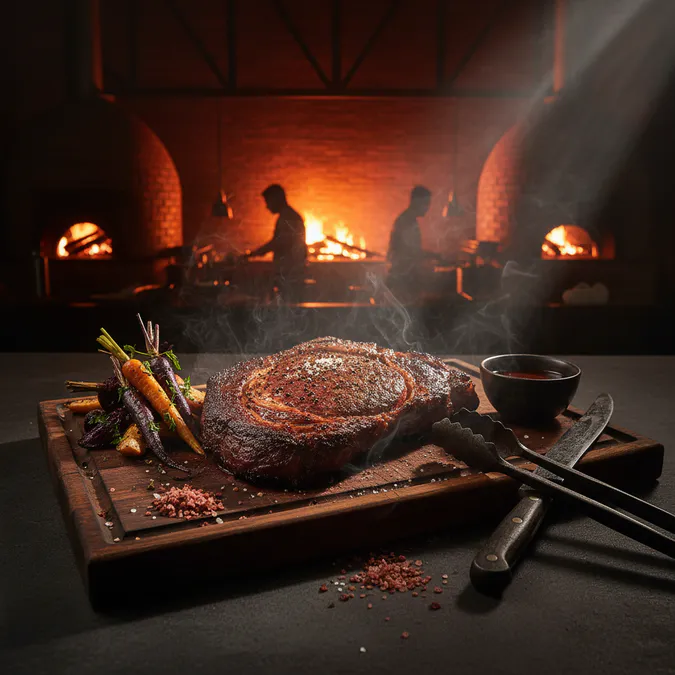
After years of declining consumption driven by health consciousness and environmental concerns, red meat is making a notable comeback in 2026. This resurgence reflects a more nuanced consumer attitude toward protein sources, with many diners reconsidering their relationship with traditional meats.
Several factors are driving this trend. First, there's growing skepticism about some of the health claims that fueled the initial shift away from red meat. Consumers are increasingly seeking out high-quality, sustainably sourced beef and other red meats, viewing them as legitimate components of a balanced diet when consumed thoughtfully. Additionally, the rise of premium and specialty meat products—including grass-fed beef, heritage breed pork, and locally sourced options—has created new appeal for red meat among affluent consumers.
The resurgence also reflects broader cultural shifts. As consumers become more interested in food provenance and supporting local agriculture, red meat from trusted sources has gained credibility. High-end restaurants are featuring red meat prominently on their menus, and consumers are willing to pay premium prices for quality cuts from ethical sources.
Bold Blue Beverages Take Center Stage
While red meat represents a return to tradition, the beverage world is embracing bold, unexpected colors. Blue drinks are emerging as a significant trend in 2026, driven by both aesthetic appeal and innovative flavor combinations.
These aren't simply blue-colored versions of existing beverages. Instead, they represent creative experimentation with natural and functional ingredients that produce striking blue hues. Butterfly pea flower, spirulina, and other natural colorants are being used to create visually stunning drinks that appeal to consumers' desire for Instagram-worthy, photogenic food and beverage experiences.
Beyond aesthetics, blue beverages often incorporate functional ingredients—adaptogens, nootropics, and other wellness-focused compounds—that align with the growing consumer interest in functional foods and beverages. This combination of visual appeal and perceived health benefits makes blue drinks particularly attractive to trend-conscious consumers.
Cabbage's Unexpected Comeback
Perhaps one of the most surprising trends emerging for 2026 is the resurgence of cabbage as a culinary star. Once relegated to coleslaw and fermented side dishes, cabbage is experiencing a renaissance in contemporary cuisine.
This revival is driven by several converging factors. First, there's the nutritional angle: cabbage is nutrient-dense, affordable, and increasingly recognized for its potential health benefits, including digestive support and anti-inflammatory properties. As consumers become more health-conscious and budget-conscious simultaneously, cabbage checks multiple boxes.
Second, chefs and food innovators are discovering creative ways to prepare cabbage that move beyond traditional applications. From charred cabbage steaks to cabbage-based meat alternatives, from innovative slaw preparations to cabbage in unexpected cuisines, the vegetable is being repositioned as a versatile, sophisticated ingredient worthy of premium restaurant menus.
Third, the sustainability angle cannot be overlooked. Cabbage is an environmentally friendly crop that stores well and has a long shelf life, making it attractive to both consumers and restaurants focused on reducing food waste and their environmental footprint.
The Intersection of Emerging Trends
What's particularly interesting about these 2026 food trends is how they intersect and reinforce each other. The personalization trend creates opportunities for restaurants to offer customized red meat preparations. Blue beverages can be tailored to individual preferences and dietary needs. Cabbage can be featured in personalized, single-serve meal formats.
These trends also reflect broader consumer values. The emphasis on personalization speaks to individualism and self-expression. The return of red meat and embrace of cabbage suggest consumers are moving beyond rigid dietary dogmas toward more flexible, nuanced approaches to eating. The visual boldness of blue beverages aligns with consumers' desire for experiences that are both aesthetically pleasing and shareable on social media.
What This Means for the Food Industry
For restaurants, food brands, and culinary professionals, these trends present both opportunities and challenges. Success in 2026 will require understanding that consumers are increasingly sophisticated and individualistic in their food choices. They want personalization, quality, sustainability, and visual appeal—often all at once.
Restaurants that can offer customizable experiences featuring high-quality ingredients, including premium red meat and innovative vegetable preparations, while also embracing bold, functional beverages, will be well-positioned to capture consumer interest. Food brands that can translate these trends into retail products—from single-serve meal kits to functional blue beverages to innovative cabbage-based products—have significant growth opportunities.
Key Takeaways
The food industry in 2026 is moving toward a more individualized, experience-driven model where consumers expect their meals to reflect their personal preferences, values, and aesthetic sensibilities. Understanding and responding to these evolving expectations will be crucial for success in the coming year. Whether it's through personalized dining experiences, premium red meat offerings, innovative blue beverages, or creative cabbage preparations, the brands and restaurants that embrace these food trends will thrive in an increasingly competitive marketplace.
Frequently Asked Questions
What are the top food trends for 2026?
The top food trends for 2026 include personalized dining experiences, the return of red meat, bold blue beverages, and the resurgence of cabbage in contemporary cuisine.
Why is red meat making a comeback?
Red meat is making a comeback due to changing consumer attitudes towards health and sustainability, with many diners seeking high-quality, ethically sourced options.
What are blue beverages?
Blue beverages are drinks that feature striking blue colors, often made with natural ingredients like butterfly pea flower and spirulina, and may include functional health benefits.
How is cabbage being used in modern cuisine?
Cabbage is being used in innovative ways, such as charred steaks, meat alternatives, and creative slaws, showcasing its versatility and health benefits.
How do these trends reflect consumer values?
These trends reflect a shift towards personalization, sustainability, and health consciousness, as consumers seek meals that align with their individual preferences and values.