
Understanding 2026 Food Trends: Newstalgia and Swangy

The food industry is entering an exciting new chapter in 2026, marked by distinctive flavor trends and dining philosophies that are capturing consumer attention and reshaping menus across the country. Among the most compelling movements are 'newstalgia'—a fresh take on nostalgic dining—and 'swangy,' a bold flavor trend that's gaining momentum in kitchens and restaurants nationwide. Understanding these 2026 food trends is essential for industry professionals, restaurateurs, and food enthusiasts looking to stay ahead of the curve.
What Is Newstalgia in Food?
Newstalgia represents a modern reimagining of nostalgic cuisine. Rather than simply recreating classic dishes from the past, this trend involves taking beloved comfort foods and traditional recipes and infusing them with contemporary techniques, ingredients, and presentations. It's nostalgia with a newsworthy twist—hence the name.
This approach allows chefs and food bran
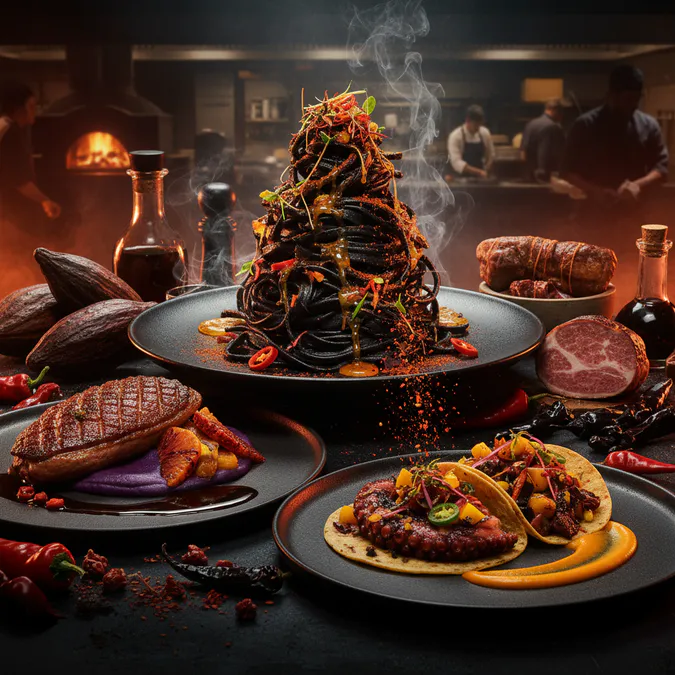
The appeal of newstalgia lies in its ability to bridge generational divides. Older consumers appreciate the familiar flavors that evoke memories, while younger diners are intrigued by the innovative execution and presentation. This dual appeal makes newstalgia particularly valuable for restaurants seeking to broaden their customer base.
The Rise of Swangy Flavors
Swangy represents a bolder, more adventurous approach to flavor development. This trend emphasizes dynamic, unexpected taste combinations that challenge conventional palate expectations. Swangy flavors are characterized by their ability to surprise and delight, often combining elements that wouldn't traditionally appear together.
Think spicy-sweet combinations with savory undertones, or umami-rich ingredients paired with bright, acidic elements. Swangy isn't about balance in the traditional sense; it's about creating memorable flavor experiences that linger on the palate and spark conversation.
This trend reflects a growing consumer appetite for culinary adventure. As global food cultures continue to influence mainstream dining, consumers are becoming more adventurous and willing to experiment with unconventional flavor combinations. Swangy capitalizes on this willingness, offering restaurants and food brands an opportunity to differentiate themselves through bold, distinctive taste profiles.
How These Trends Influence Restaurant Menus
Restaurants across the country are already incorporating these 2026 food trends into their offerings. Newstalgia appears in dishes that reinterpret regional classics, while swangy flavors show up in innovative appetizers, main courses, and even beverages.
For chefs and menu developers, understanding these trends means recognizing the opportunity to create dishes that resonate emotionally while pushing culinary boundaries. A restaurant might feature a newstalgia-inspired entrée alongside a swangy-forward appetizer, offering diners a complete experience that honors both tradition and innovation.
The Impact on Food Product Development
Beyond restaurants, these trends are influencing packaged food and beverage development. Food manufacturers are exploring how to incorporate newstalgia and swangy elements into products that can be distributed at scale. This might involve limited-edition flavors that tap into nostalgic themes or bold new taste combinations in snacks, beverages, and condiments.
The challenge for product developers lies in translating these trends into shelf-stable, mass-produced formats while maintaining the authenticity and appeal that makes them compelling in restaurant settings.
Consumer Psychology Behind the Trends
Understanding why these trends resonate requires examining consumer psychology. Newstalgia appeals to the human desire for comfort and familiarity, particularly in uncertain times. Food serves as a powerful vehicle for memory and emotion, and newstalgia leverages this by offering the comfort of the familiar with the excitement of the new.
Swangy, conversely, appeals to consumers seeking novelty and adventure. In an era where food experiences are increasingly shared on social media, distinctive, conversation-starting flavors hold significant value. Swangy dishes are inherently shareable, making them particularly attractive to restaurants and brands seeking organic social media promotion.
Sustainability and Ingredient Sourcing
Both newstalgia and swangy trends can incorporate sustainable and locally-sourced ingredients. Newstalgia, in particular, often celebrates regional ingredients and traditional preparation methods, which naturally align with sustainability goals. Swangy flavors, while more experimental, can still prioritize quality, responsibly-sourced components.
Restaurants and food brands leveraging these trends have an opportunity to communicate their commitment to sustainability while delivering on flavor innovation and nostalgic appeal.
The Role of Cultural Influences
These trends don't exist in a vacuum. Global culinary influences continue to shape American food culture, and both newstalgia and swangy reflect this reality. Newstalgia might involve reimagining dishes from various cultural traditions, while swangy flavors often draw inspiration from international cuisines known for bold, complex taste profiles.
This cultural cross-pollination enriches both trends, offering consumers access to diverse flavor experiences rooted in authentic culinary traditions.
Key Takeaways for the Food Industry
For industry professionals, these 2026 food trends signal important shifts in consumer preferences and dining expectations. Restaurants that successfully navigate these trends—offering both nostalgic comfort and adventurous innovation—are positioned to capture a broad market segment.
Food writers, critics, and industry observers will likely see increased coverage of these trends throughout 2026 and beyond. Staying informed about emerging food trends through industry publications and newsletters becomes increasingly valuable for anyone involved in food service, product development, or culinary innovation.
Preparing for Future Trend Evolution
While newstalgia and swangy represent significant 2026 trends, the food industry landscape continues to evolve. Professionals should remain attentive to how these trends develop and what new movements might emerge. Industry newsletters and regular trend monitoring help stakeholders stay ahead of shifts in consumer preferences.
The intersection of nostalgia and innovation, comfort and adventure, tradition and experimentation will likely continue shaping food culture for years to come. Whether through newstalgia's gentle reinterpretation of classics or swangy's bold flavor adventures, the food industry in 2026 is offering consumers more diverse, memorable, and emotionally resonant dining experiences than ever before.
FAQ
What are the main 2026 food trends?
The main 2026 food trends include newstalgia, which reimagines nostalgic dishes, and swangy, which focuses on bold and adventurous flavor combinations.
How do newstalgia and swangy influence restaurant menus?
These trends influence restaurant menus by encouraging chefs to create dishes that blend traditional comfort with innovative flavors, appealing to a wider audience.
Why are these trends important for the food industry?
These trends are important as they reflect changing consumer preferences, helping restaurants and food brands to innovate and stay relevant in a competitive market.
Table of Contents
- Understanding 2026 Food Trends: Newstalgia and Swangy
- What Is Newstalgia in Food?
- The Rise of Swangy Flavors
- How These Trends Influence Restaurant Menus
- The Impact on Food Product Development
- Consumer Psychology Behind the Trends
- Sustainability and Ingredient Sourcing
- The Role of Cultural Influences
- Key Takeaways for the Food Industry
- Preparing for Future Trend Evolution
- FAQ