
The Most Important 2026 Food Trends: A Shift Toward Culinary Tradition

The culinary landscape is constantly evolving, but 2026 promises a fascinating shift in how we approach food trends. Rather than chasing entirely new national cuisines, food experts are predicting a return to well-established culinary traditions that have stood the test of time. This represents a meaningful departure from the trend-chasing culture that has dominated recent years, signaling a more thoughtful, intentional approach to what we eat.
According to culinary expert Pierre Nierhaus, the most important 2026 food trends won't be defined by exotic novelties or undiscovered cuisines. Instead, the focus will be on deepening our appreciation for Mediterranean and Levantine cuisine—two of the world's most celebrated and time-honored culinary traditions. This shift reflects a broader consumer desire for authenticity, sustainability, and culinary wisdom that has been refined over centuries.
Understanding Mediterranean Cuisine in 2026
Mediterranean cuisine represents far more than a collection of recipes; it embodies a philosophy of eating that prioritizes fresh, seasonal ingredients, healthy fats, and balanced nutrition. The Mediterranean diet has long been celebrated by nutritionists and health professionals as one of the world's healthiest eating patterns, and its prominence in 2026 food trends underscores growing consumer awareness of the connection betw
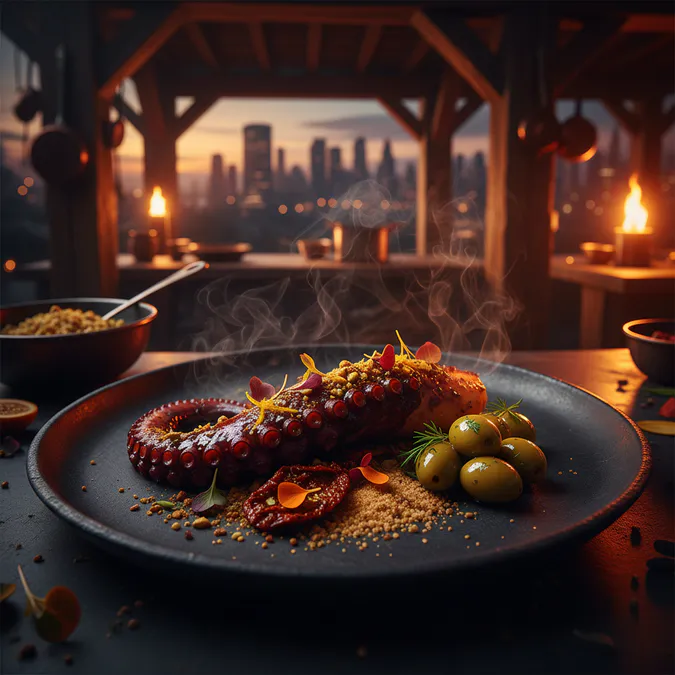
The Mediterranean region—spanning countries like Greece, Italy, Spain, and Portugal—has developed distinct culinary traditions that share common principles: an emphasis on olive oil, fresh vegetables, legumes, whole grains, and moderate amounts of fish and poultry. What makes Mediterranean cuisine particularly relevant for 2026 is its inherent sustainability. These are cuisines built on local, seasonal ingredients that minimize food waste and environmental impact.
In 2026, we can expect to see Mediterranean cuisine move beyond the stereotypical Greek salad or pasta dishes that have become commonplace in mainstream restaurants. Instead, expect deeper exploration of regional variations, traditional preparation methods, and lesser-known dishes that showcase the true diversity within Mediterranean culinary traditions. Restaurants and home cooks alike will likely focus on understanding the cultural context and historical significance of these dishes, rather than simply replicating them.
The Rising Prominence of Levantine Cuisine
Levantine cuisine, originating from the Eastern Mediterranean region including Lebanon, Syria, Palestine, Jordan, and Israel, represents one of the world's most complex and flavorful culinary traditions. For years, Levantine food remained somewhat under-represented in mainstream Western dining, but 2026 marks a turning point in its recognition and appreciation.
Levantine cuisine is characterized by its sophisticated use of spices, herbs, and cooking techniques that create layers of flavor in every dish. From hummus and tabbouleh to more elaborate preparations like kibbeh and fattoush, Levantine food demonstrates remarkable depth and versatility. The cuisine emphasizes fresh herbs, legumes, grains, and vegetables, making it naturally aligned with contemporary health-conscious eating patterns.
What distinguishes Levantine cuisine in the 2026 food trends conversation is its cultural significance and the growing recognition of its culinary excellence. As consumers become more interested in understanding the stories behind their food, Levantine cuisine offers rich historical and cultural narratives. The tradition of mezze—small plates meant for sharing—also aligns perfectly with modern dining preferences for variety, community-focused meals, and interactive eating experiences.
Why Established Traditions Over New Cuisines?
The shift toward Mediterranean and Levantine cuisine in 2026 reflects several important consumer trends. First, there's a growing fatigue with the constant pursuit of novelty. After years of chasing the next trendy cuisine or ingredient, many food enthusiasts are recognizing the value of depth over breadth. Rather than sampling superficial versions of unfamiliar cuisines, consumers are increasingly interested in truly understanding and appreciating established culinary traditions.
Second, authenticity has become paramount. In an era of cultural appropriation concerns and growing awareness of food justice issues, consumers are more thoughtful about which cuisines they engage with and how they approach them. Established Mediterranean and Levantine cuisines offer opportunities for respectful, informed engagement with culinary traditions that have deep roots and ongoing cultural significance.
Third, sustainability concerns are driving food choices in 2026. Both Mediterranean and Levantine cuisines are inherently sustainable, built on principles of seasonal eating, minimal waste, and local sourcing. These aren't trendy concepts grafted onto traditional food; they're fundamental to how these cuisines have always operated. As climate consciousness grows, these time-tested approaches to eating become increasingly relevant.
Health and Wellness Alignment
The prominence of Mediterranean and Levantine cuisine in 2026 food trends also reflects the ongoing convergence of culinary enjoyment and health consciousness. Both cuisines are rich in nutrients, healthy fats, fiber, and plant-based proteins. The Mediterranean diet, in particular, has decades of scientific research supporting its health benefits, including reduced risk of heart disease, improved cognitive function, and better overall longevity.
Levantine cuisine, with its emphasis on legumes, whole grains, and fresh vegetables, similarly supports health-conscious eating without requiring sacrifice of flavor or satisfaction. In 2026, as consumers continue to prioritize wellness, these cuisines offer the perfect intersection of delicious food and nutritional benefit.
What This Means for Restaurants and Home Cooks
For restaurants, the 2026 food trends suggest an opportunity to move beyond surface-level Mediterranean or Middle Eastern offerings. Diners will increasingly seek authentic preparations, knowledgeable staff who can explain the cultural and historical context of dishes, and genuine commitment to traditional techniques and ingredients. This trend rewards restaurants that invest in understanding these cuisines deeply rather than simply capitalizing on their popularity.
For home cooks, 2026 presents an invitation to explore Mediterranean and Levantine cooking more thoroughly. Rather than occasional forays into these cuisines, the trend suggests sustained engagement—building skills, understanding flavor profiles, and developing familiarity with traditional ingredients and techniques. This approach transforms cooking from a series of isolated recipes into a genuine culinary education.
The Broader Culinary Landscape
The emphasis on established Mediterranean and Levantine cuisine doesn't mean other cuisines will disappear from 2026 food trends. Rather, it suggests a maturation of food culture where novelty is no longer the primary driver of culinary interest. We're likely to see continued exploration of other cuisines, but with greater depth and authenticity, and with less emphasis on the "next big thing."
This shift also reflects changing demographics and cultural conversations. As Western food culture becomes increasingly multicultural, there's growing recognition that many cuisines considered "exotic" or "trendy" are actually everyday foods for millions of people. The move toward Mediterranean and Levantine cuisine acknowledges these traditions as serious, sophisticated culinary systems worthy of sustained attention and respect.
Key Takeaways
The most important 2026 food trends point toward a more thoughtful, intentional approach to eating. Mediterranean and Levantine cuisine will take center stage not because they're new, but because they represent culinary excellence, sustainability, health benefits, and authentic cultural traditions. This trend reflects broader consumer desires for depth over novelty, authenticity over appropriation, and sustainability over trends.
As we move into 2026, expect to see these cuisines explored with greater sophistication and respect. Whether you're dining out or cooking at home, the food trends of 2026 invite us to slow down, learn deeply, and appreciate the remarkable culinary wisdom that Mediterranean and Levantine traditions offer. This isn't about chasing trends—it's about recognizing and celebrating culinary excellence that has endured for centuries.
Frequently Asked Questions (FAQ)
What are the main 2026 food trends?
The main 2026 food trends focus on a return to Mediterranean and Levantine cuisines, emphasizing authenticity, sustainability, and health benefits.
Why is Mediterranean cuisine popular in 2026?
Mediterranean cuisine is popular in 2026 due to its focus on fresh, seasonal ingredients, health benefits, and sustainability.
What distinguishes Levantine cuisine?
Levantine cuisine is distinguished by its complex flavors, use of fresh herbs, and cultural significance, making it increasingly recognized in 2026 food trends.
How can home cooks embrace these trends?
Home cooks can embrace these trends by exploring traditional recipes, understanding flavor profiles, and using local, seasonal ingredients.
What does the shift toward established traditions mean for food culture?
The shift toward established traditions indicates a maturation of food culture, where depth and authenticity are prioritized over novelty.
Table of Contents
- The Most Important 2026 Food Trends: A Shift Toward Culinary Tradition
- Understanding Mediterranean Cuisine in 2026
- The Rising Prominence of Levantine Cuisine
- Why Established Traditions Over New Cuisines?
- Health and Wellness Alignment
- What This Means for Restaurants and Home Cooks
- The Broader Culinary Landscape
- Key Takeaways
- Frequently Asked Questions (FAQ)