
The food landscape is undergoing a dramatic transformation as we enter 2026, marked by a significant cultural shift toward protein-centric nutrition, quality-focused consumption, and deeply personalized dining experiences. Following the 2025-2030 Dietary Guidelines for Americans' renewed emphasis on protein from fresh, minimally processed sources, the beef and meat industries are experiencing unprecedented growth. This comprehensive guide explores the major food trends defining 2026, from the resurgence of red meat to innovative blue beverages and the explosion of single-serve, personalized meals. The focus keyword, 2026 food trends, encapsulates these exciting changes.
The Return of Red Meat: A Protein-Centric Shift
Red meat is making a powerful comeback in 2026, driven by evolving dietary guidelines and a fundamental shift in how Americans view protein consumption. The 2025-2030 Dietary Guidelines for Americans represent a departure from prior guidance that stressed limiting red meat, signaling major implications for food industry product development and consumer behavio
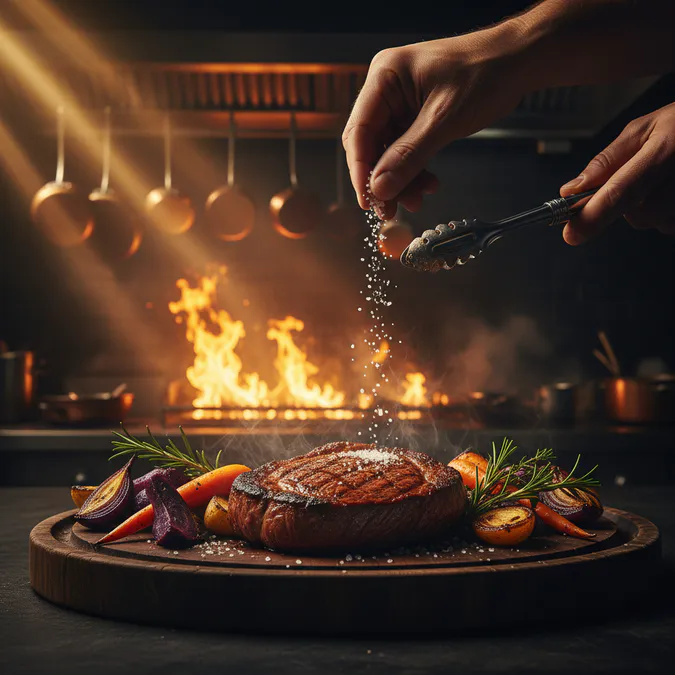
The numbers tell a compelling story. U.S. per capita meat consumption reached 227 pounds in 2026, with chicken leading at 102.8 pounds annually, followed by beef at 56.9 pounds and pork at 50.9 pounds. This represents a 10% increase in per capita meat consumption since 2010, contrasting sharply with Europe's 19% decline driven by environmental concerns and plant-based adoption. The divergence reflects broader economic and cultural differences: while North America and Asia embrace meat consumption growth, Europe prioritizes sustainability. [Source: Investigate Midwest]
Within the United States, 80% of Americans now prioritize protein content in at least one meal daily, with 61% of consumers reporting increased protein intake since 2019. This represents a significant shift from 2019 when only 48% of consumers reported increasing their protein intake. The 'Food as Medicine' movement positions meat as nutrient-dense fuel for health and longevity, fundamentally changing how consumers approach their dietary choices. [Source: Food Navigator USA]
Supply Constraints and Record Prices
However, this resurgence comes amid supply constraints that are pushing prices to record levels. The USDA projects a 5% beef production decline in 2026, reaching the lowest level since 2016. Ground beef prices jumped 10.3% in summer 2025 compared to the previous year, with record-high prices expected to continue throughout 2026. Despite these challenges, the beef industry achieved $45 billion in retail beef sales with volume exceeding 6.2 billion pounds, marking 12.4% growth. [Source: Beef Research Council]
Consumer behavior reveals an interesting paradox: despite budget tightening, 94% of consumers report occasions when they willingly spend more on premium meats. This suggests meat consumption transcends mere nutrition to become an expression of values around quality, sourcing, and shared dining experiences.
Heritage Proteins and the Analog Trend
Heritage and specialty proteins are emerging as defining expressions of the 'analog trend'—characterized by slower, more intentional eating practices. High-quality options including grass-fed beef, duck, Wagyu beef, Iberico pork, and beef tallow are gaining prominence. As one food and lifestyle expert from Table Magazine noted:
"There's been a real shift toward people caring more about the quality and sourcing of their food, especially animal proteins. There's also less fear around fat now, with more people understanding that healthy fats have a place in a balanced diet."
Duck, in particular, is transitioning from a seasonal white-tablecloth restaurant offering to a mainstream home cooking ingredient. Producers are developing consumer-friendly products like roasted half duck, duck carnitas, and duck sausage to enable restaurant-quality home dining experiences. Beef tallow is experiencing a surprising resurgence driven by social media and the Make America Healthy Again movement, with consumers perceiving heritage ingredients as simple and clean-label alternatives to industrial seed oils.
Blue Beverages: A Colorful Trend Emerges
While less documented than the protein trend, blue-colored beverages are emerging as a notable trend in 2026, reflecting broader consumer interest in visually striking, Instagram-worthy drinks. This trend aligns with the growing importance of aesthetic appeal in food and beverage choices, particularly among younger consumers who prioritize shareable, visually distinctive products.
Blue beverages represent a departure from traditional beverage color palettes and suggest innovation in natural colorants and flavor combinations. The trend reflects how modern consumers approach food not just as nutrition but as experience and self-expression. From butterfly pea flower-based drinks to innovative blue spirulina beverages, manufacturers are exploring ways to create visually distinctive options that appeal to consumers seeking novelty and Instagram-worthy experiences.
The emergence of blue drinks also connects to broader trends in functional beverages, with many blue-colored options incorporating adaptogenic or nutritional benefits. This combination of visual appeal with functional benefits represents the modern consumer's desire for drinks that are both beautiful and beneficial.
The 'Me-Me-Me' Economy and Solo Dining Revolution
Perhaps the most significant cultural shift in 2026 is the rise of the 'me-me-me' economy, which is fundamentally reshaping how people approach dining and food consumption. This trend is fueling explosive growth in solo dining and highly personalized, single-serve meals.
The 'me-me-me' economy reflects a broader cultural movement toward individualism and self-prioritization. Rather than viewing dining as primarily a social activity, consumers increasingly see meals as opportunities for personal enjoyment, health optimization, and self-expression. This shift has profound implications for restaurants, food publications, food manufacturers, and meal delivery services.
Redefining Solo Dining
Solo dining is no longer viewed as a lonely or undesirable activity but rather as a legitimate and desirable dining experience. Restaurants are adapting by creating solo-friendly seating arrangements, bar-style dining counters, and intimate table configurations designed for one. This represents a significant departure from traditional restaurant design that prioritized larger tables and group dining experiences.
The normalization of solo dining reflects broader demographic and lifestyle changes. Single-person households are increasingly common, busy professionals often dine alone, and many consumers simply prefer the autonomy and control that solo dining provides. Rather than accommodating this trend reluctantly, forward-thinking establishments are embracing it as a core part of their business model.
Single-Serve Meals and Hyper-Personalization
The growth of the 'me-me-me' economy is directly driving the explosion of single-serve meal options and hyper-personalized food products. Consumers are increasingly seeking meals tailored specifically to their individual preferences, dietary requirements, and nutritional goals.
This trend encompasses multiple categories:
- Meal kit services offering single-portion options
- Frozen meals designed for one with premium ingredients
- Restaurants offering smaller portion sizes with extensive customization
- Prepared meal services with personalized nutrition profiles
- Grocery products designed for individual consumption
Food manufacturers are responding by developing products that allow consumers to create meals exactly as they prefer them, without compromise or waste. Personalization extends beyond portion size to include ingredient selection, flavor profiles, and nutritional composition. Consumers want meals that reflect their specific health goals, whether that's high-protein for fitness enthusiasts, low-sodium for health-conscious individuals, or specific dietary restrictions for those with allergies or intolerances.
Addressing Practical Concerns
This trend also addresses practical concerns about food waste. Single-serve portions mean consumers can purchase exactly what they need without excess that might spoil. For busy professionals and solo households, this represents a significant quality-of-life improvement. The ability to customize meals also reduces food waste by allowing consumers to avoid ingredients they dislike or cannot eat.
Technology is playing an increasingly important role in enabling personalization. Apps and online platforms allow consumers to specify preferences, dietary restrictions, and nutritional goals, with algorithms matching them to appropriate meal options. Some services even use AI to learn individual preferences over time, continuously improving recommendations.
Cabbage: The Unexpected Star Ingredient
Cabbage is positioned as a trending ingredient for 2026, representing a broader movement toward humble, accessible vegetables that offer significant nutritional value and culinary versatility. This trend reflects growing consumer interest in whole foods and ingredients with proven health benefits.
Cabbage's resurgence is driven by multiple factors:
- Exceptional nutritional profile: Rich in vitamins C and K, fiber, and antioxidants
- Affordability: Significantly less expensive than trendy superfoods
- Culinary versatility: Works across cuisines and cooking methods
- Long shelf life: Appeals to consumers concerned about food waste and sustainability
- Fermentation potential: Supports the growing interest in probiotics and gut health
Chefs and food writers are increasingly featuring cabbage in innovative preparations, from fermented kimchi and sauerkraut to roasted cabbage steaks and cabbage-based slaws. This elevation of a humble vegetable reflects the 'analog trend' toward appreciating simple, quality ingredients prepared with intention. The resurgence of cabbage also connects to broader interest in traditional, time-tested ingredients that have sustained populations for centuries.
Beyond its nutritional benefits, cabbage represents a democratization of healthy eating. Unlike expensive superfoods that may be inaccessible to many consumers, cabbage is affordable and widely available, making nutritious eating accessible to all income levels.
What This Means for Consumers and the Food Industry
These interconnected trends reveal fundamental shifts in how Americans approach food in 2026. The convergence of protein-centric nutrition, quality-focused consumption, and deeply personalized dining experiences creates both challenges and opportunities.
Consumer Benefits
For consumers, these trends offer greater choice and customization than ever before. The renewed emphasis on protein from fresh, minimally processed sources aligns with growing health consciousness. The availability of single-serve options accommodates diverse living situations and schedules. The focus on quality ingredients and heritage proteins reflects a maturing food culture that values sourcing and preparation methods.
The normalization of solo dining and personalized meals also represents a cultural shift toward self-care and individual agency. Rather than conforming to traditional dining norms, consumers can now make choices that genuinely reflect their preferences and needs.
Industry Opportunities and Challenges
For the food industry, these trends signal significant product development opportunities. As Rabobank analysts noted:
"The 2025-2030 Dietary Guidelines for Americans' affirmation of protein, especially from fresh, minimally processed sources, signals potential shifts in consumer demand and product opportunities for food companies."
Food manufacturers and restaurants must adapt to meet these evolving preferences. This includes:
- Developing premium protein products with transparent sourcing
- Creating single-serve meal options with customization capabilities
- Investing in personalization technology and data analytics
- Sourcing high-quality, heritage ingredients
- Redesigning restaurant spaces to accommodate solo diners
- Developing innovative blue beverages and visually distinctive products
The willingness of 94% of consumers to spend more on premium meats suggests that quality-focused positioning can command premium pricing. This creates opportunities for producers of grass-fed beef, heritage pork, specialty duck, and other premium proteins to capture market share from conventional producers.
The solo dining trend also presents opportunities for restaurant innovation. Establishments that create welcoming environments for solo diners, offer bar seating, and provide engaging experiences can tap into this growing market segment. Some restaurants are even creating special menus or experiences specifically designed for solo diners, recognizing this as a distinct and valuable customer segment.
Sustainability and Supply Chain Considerations
While these trends present opportunities, they also create challenges. The surge in meat consumption, particularly beef, raises sustainability concerns. The 5% projected decline in beef production despite growing demand suggests that supply chain resilience will be critical. Food companies will need to balance consumer demand for premium, high-quality proteins with environmental and sustainability considerations.
The focus on single-serve meals also raises questions about packaging waste. Forward-thinking companies are exploring sustainable packaging solutions that allow for personalization and convenience without excessive environmental impact.
Key Takeaways
The food trends of 2026 reflect a maturing consumer base that views eating as an opportunity for personal optimization, quality appreciation, and self-expression. The comeback of red meat, emergence of blue beverages, explosion of solo dining, and focus on personalized meals all point toward a food culture that prioritizes individual choice, quality, and intentionality.
These trends are not passing fads but rather expressions of deeper cultural values around health, sustainability, and personal agency. As consumers continue to prioritize protein intake, seek out heritage ingredients, and demand personalized options, the food industry will continue evolving to meet these expectations.
Whether you're a consumer navigating these trends or a food industry professional adapting to changing preferences, understanding these shifts is essential for making informed decisions about what we eat and how the food system evolves in the years ahead. The convergence of these trends suggests a food landscape that is simultaneously more individualized and more quality-conscious—a reflection of a society that increasingly views food as central to personal identity and wellbeing.
FAQ
What are the main 2026 food trends?
The main 2026 food trends include the resurgence of red meat, the emergence of blue beverages, the rise of solo dining, and the popularity of single-serve meals.
Why is red meat making a comeback?
Red meat is making a comeback due to evolving dietary guidelines that emphasize protein consumption, leading to increased consumer interest and industry growth.
What are blue beverages?
Blue beverages are drinks that feature vibrant blue colors, often made with natural colorants like butterfly pea flower or blue spirulina, appealing to consumers' desire for visually striking options.
How is solo dining changing the restaurant industry?
Solo dining is becoming more accepted, prompting restaurants to create solo-friendly environments and menus tailored for individual diners.
What is hyper-personalization in meals?
Hyper-personalization refers to the trend of customizing meals to fit individual dietary preferences, nutritional goals, and personal tastes, often seen in single-serve meal options.