
Understanding 2026 Food Trends
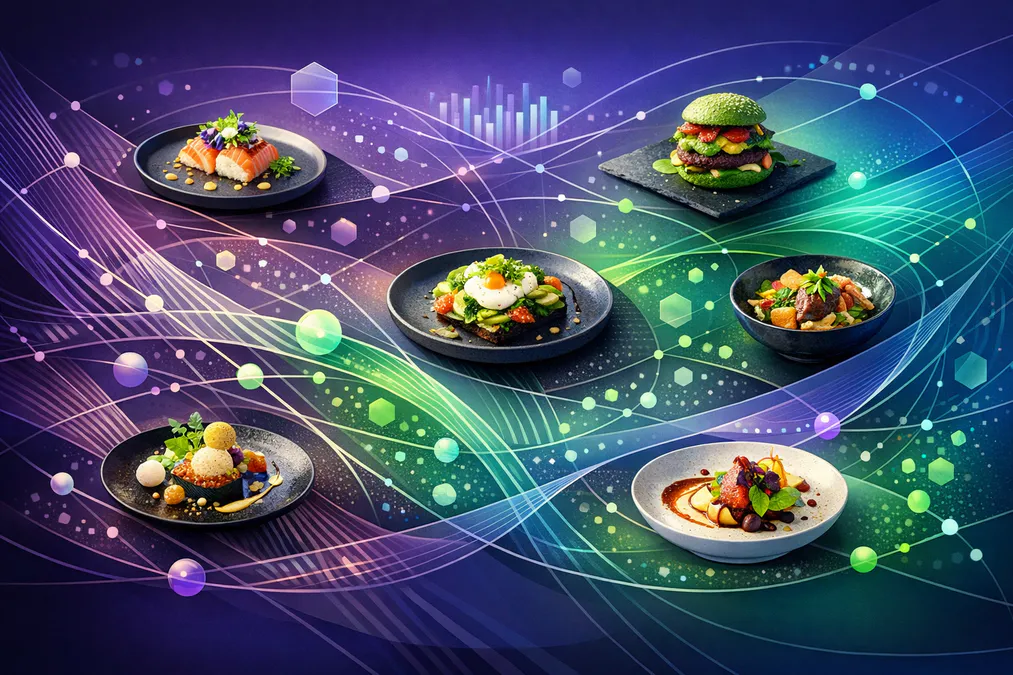

The culinary landscape is constantly evolving, and 2026 promises to bring significant shifts in how restaurants approach menu development, ingredient selection, and customer experience. According to the National Restaurant Association's What's Hot Culinary Forecast, three dominant 2026 food trends are emerging: comfort, health, and value. These interconnected trends reflect changing consumer priorities and economic considerations that will shape dining establishments throughout the year. The food industry has always been responsive to consumer needs, and the latest forecast reveals that diners are seeking more than just delicious meals. They want experiences that nourish both body and wallet while providing the emotional satisfaction that comfort food delivers. This convergence of priorities is creating unprecedented opportunities for restaurants willing to innovate thoughtfully.
Comfort as a Core Strategy
Comfort food remains a powerful draw for restaurant patrons, but the definition is expanding beyond traditional heavy, indulgent fare. In 2026, comfort is being redefined to include dishes that provide emotional satisfaction while incorporating modern culinary techniques and quality ingredients. Restaurants are discovering that comfort doesn't have to mean guilt—it can mean nourish
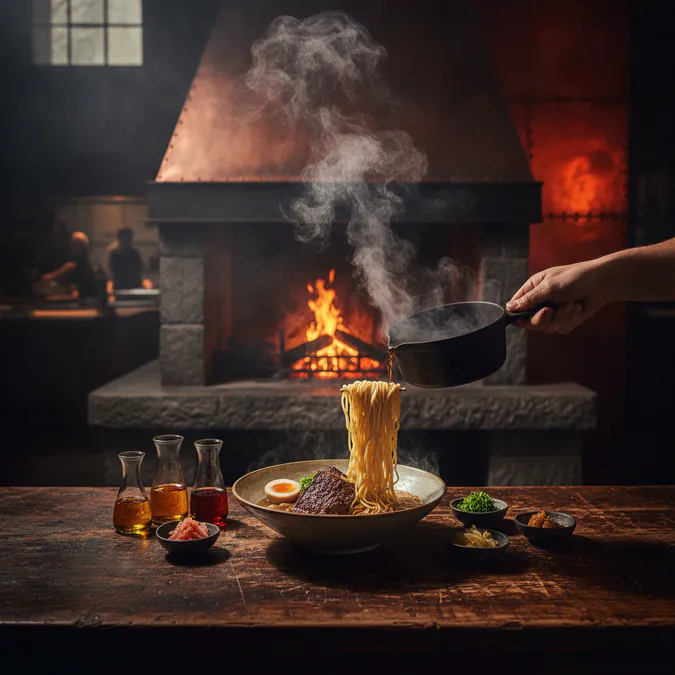
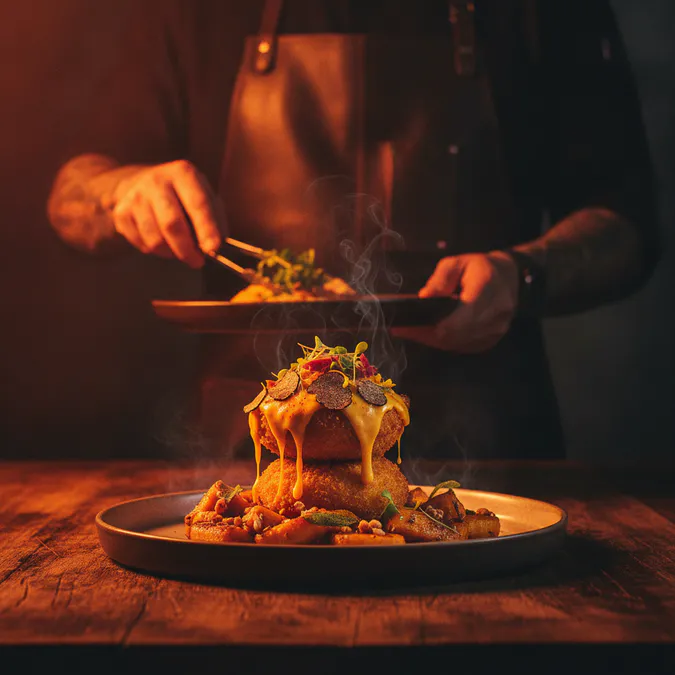
Chefs are reimagining classic comfort dishes by elevating ingredients and preparation methods. Think slow-roasted proteins with sophisticated flavor profiles, creamy sauces made with high-quality dairy or plant-based alternatives, and sides that balance richness with nutritional value. The trend reflects a mature understanding that comfort and health aren't mutually exclusive.
Regional comfort cuisines are also gaining prominence. Diners are increasingly interested in authentic preparations from various cultures that have long emphasized wholesome, satisfying meals. Mediterranean, Asian, and Latin American comfort traditions are finding their way onto menus as restaurants recognize that comfort is universal but culturally specific.
Health-Conscious Dining Evolution
Health and nutrition considerations have moved from niche concern to mainstream expectation. However, the 2026 approach differs from previous years' trends. Rather than extreme restriction or trendy superfoods, consumers are seeking sustainable, balanced nutrition that fits into their daily lives.
Menus are increasingly featuring whole grains, legumes, and plant-forward options that don't sacrifice flavor or satisfaction. Restaurants are investing in transparency, providing detailed nutritional information and ingredient sourcing details. This shift reflects growing consumer awareness about the connection between diet and long-term wellness.
Protein diversity is a key component of this trend. While plant-based proteins continue to gain ground, the focus is expanding to include diverse protein sources: ancient grains, fermented foods, sustainably sourced seafood, and heritage breed meats. The emphasis is on nutritional density and environmental responsibility rather than following a single dietary philosophy.
Functional ingredients are also becoming more sophisticated. Rather than simply adding trendy superfoods, chefs are thoughtfully incorporating ingredients known for specific health benefits—probiotics for digestive health, omega-3 rich oils, antioxidant-rich vegetables, and adaptogens for stress management. These ingredients are integrated naturally into dishes rather than highlighted as gimmicks.
Value Without Compromise
Economic pressures continue to influence dining decisions, and value has become a critical factor in restaurant selection. However, value in 2026 doesn't mean cheap—it means fair pricing for quality received. Consumers are willing to pay for meals that deliver nutrition, satisfaction, and experience, but they're increasingly scrutinizing portion sizes, ingredient quality, and overall value proposition.
Restaurants are responding by optimizing their operations to maintain quality while controlling costs. This includes strategic menu engineering, where high-margin items are balanced with customer favorites, and waste reduction initiatives that improve both sustainability and profitability. Portion sizes are being carefully calibrated to provide satisfaction without excess.
Value menus and prix fixe offerings are becoming more sophisticated, featuring quality ingredients and thoughtful preparation rather than budget-basement pricing. Restaurants are also leveraging technology to improve efficiency—from inventory management to streamlined ordering systems—allowing them to maintain margins while keeping prices reasonable.
The Rise of Transparency
Across all three trends, transparency emerges as a unifying theme. Consumers want to know where their food comes from, how it's prepared, and what nutritional value it provides. Restaurants that embrace radical transparency—whether through detailed menu descriptions, visible kitchen operations, or chef interactions—are building stronger customer loyalty.
Local sourcing and seasonal menus are becoming standard expectations rather than premium offerings. Diners appreciate understanding the story behind their ingredients and supporting local producers. This transparency also supports the value proposition, as customers can see why they're paying what they're paying.
Implementing 2026 Trends
For restaurant operators, capitalizing on these trends requires strategic thinking. Success isn't about chasing every trend but about identifying which align with your restaurant's identity and customer base.
Menu development should start with understanding your core customers' priorities. Are they primarily seeking comfort? Health? Value? Most likely, they want some combination, but the emphasis may vary. Conduct surveys, analyze ordering patterns, and engage directly with customers to understand their priorities.
Staff training becomes increasingly important as these trends emphasize transparency and education. Your team should be able to discuss ingredient sourcing, preparation methods, and nutritional considerations with confidence and enthusiasm. This transforms your staff from order-takers into brand ambassadors.
Supply chain relationships deserve renewed attention. Building strong relationships with local producers, specialty suppliers, and quality-focused vendors enables you to source ingredients that support all three trends. These relationships also provide storytelling opportunities that enhance customer experience.
Technology integration can support trend implementation. Point-of-sale systems that track customer preferences, inventory management that minimizes waste, and online platforms that communicate your story all contribute to success. However, technology should enhance rather than replace human connection.
The Broader Industry Context
These trends don't exist in isolation. They reflect broader shifts in consumer consciousness, economic realities, and environmental awareness. The restaurant industry's response to these trends will influence food culture for years to come.
Sustainability concerns are intertwined with all three trends. Comfort food that's locally sourced and sustainably produced carries different meaning than mass-produced alternatives. Health-conscious dining naturally aligns with environmental responsibility. Value becomes more meaningful when it includes consideration of true costs—environmental and social—not just monetary price.
The competitive landscape is also shifting. Independent restaurants and smaller chains that can be nimble and authentic are gaining ground against larger operations. However, larger establishments are increasingly investing in transparency and quality to compete. The result is a more sophisticated dining landscape where quality and authenticity matter more than size or brand recognition alone.
Key Takeaways
The 2026 food trends centered on comfort, health, and value represent a maturation of consumer expectations. These aren't passing fads but reflections of fundamental shifts in how people think about food, health, and their relationship with restaurants.
Success in this environment requires authenticity, transparency, and genuine commitment to quality. Restaurants that view these trends as opportunities to better serve their customers—rather than boxes to check—will thrive. The intersection of comfort, health, and value creates space for innovation that's both commercially viable and genuinely beneficial to customers.
As you plan for 2026, consider how these trends align with your restaurant's mission and values. The most successful implementations won't feel forced or trendy—they'll feel like natural expressions of your commitment to your customers and your craft.
Frequently Asked Questions
What are the main 2026 food trends?
The main trends include comfort, health, and value, reflecting changing consumer priorities.
How can restaurants adapt to these trends?
Restaurants can adapt by focusing on menu innovation, transparency, and understanding customer preferences.
Why is transparency important in the food industry?
Transparency builds trust with customers, allowing them to understand the sourcing and preparation of their food.
What role does technology play in implementing food trends?
Technology aids in tracking preferences, managing inventory, and enhancing customer communication.
How can restaurants ensure they provide value?
By optimizing operations, offering quality ingredients, and maintaining fair pricing, restaurants can deliver value to customers.
For further reading on these trends, consider visiting authoritative sources such as National Restaurant Association for insights and updates.