
Understanding 2026 Food Trends


The culinary landscape is constantly evolving, and 2026 promises to bring significant shifts in how restaurants approach menu development, ingredient selection, and dining experiences. According to the National Restaurant Association's What's Hot Culinary Forecast, three major themes are emerging as the defining 2026 food trends: comfort, health, and value. These interconnected trends reflect changing consumer priorities and the restaurant industry's response to economic pressures, wellness consciousness, and the enduring desire for satisfying meals.
The National Restaurant Association's annual forecast serves as a barometer for the industry, surveying culinary professionals, chefs, and restaurant operators to identify emerging patterns and consumer preferences. The 2026 predictions reveal a nuanced picture of the modern diner—one who seeks emotional satisfaction through food, prioritizes personal wellness, and remains budget-conscious in an uncertain economic environment.
Comfort as a Core Culinary Driver
Comfort food has long held a special place in dining culture, but its definition is expanding in 2026. Rather than simply nostalgic, heavy dishes, comfort is being reimagined as food that provides emotional and physical satisfaction while reflecting contemporary tastes and dietary preferences.
Restaurants are responding by elevating traditional comfort foods with modern techniq

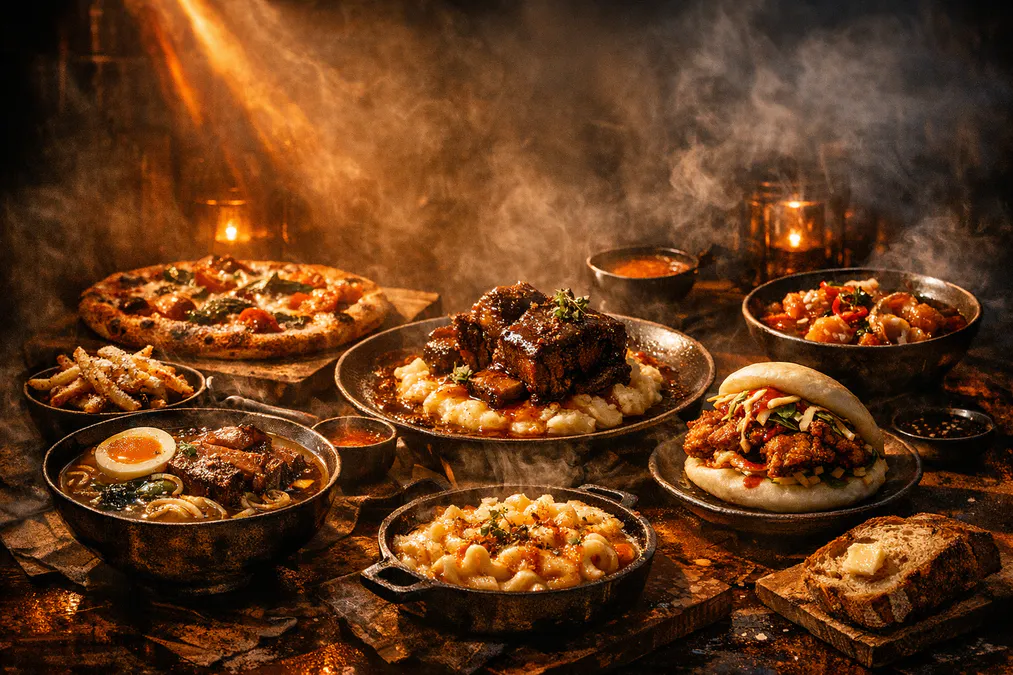
The comfort trend also extends to dining atmosphere and service. Restaurants are investing in creating welcoming, unpretentious environments where guests feel at ease. This includes warm lighting, attentive but not intrusive service, and menu descriptions that emphasize the care and quality behind each dish. The goal is to provide a complete comfort experience—not just through food, but through the entire dining environment.
Health-Conscious Dining Takes Center Stage
Health and wellness considerations are no longer niche concerns; they've become mainstream expectations. The 2026 food trends reflect a sophisticated approach to healthy eating that goes beyond simple calorie counting or restrictive diets.
Chefs and restaurant operators are increasingly focusing on ingredient quality, nutritional transparency, and functional foods that offer specific health benefits. This includes:
- Plant-based proteins that deliver complete amino acid profiles and satisfy meat-eaters and vegetarians alike
- Whole grains and ancient grains that provide sustained energy and nutritional density
- Fermented foods that support gut health and digestion
- Locally-sourced ingredients that reduce environmental impact and often provide superior nutritional value
- Transparent sourcing practices that allow diners to understand exactly what they're consuming
Restaurants are also responding to specific dietary needs and preferences with greater sophistication. Rather than offering token vegetarian or gluten-free options, forward-thinking establishments are creating menus where these choices are equally appealing and flavorful as traditional offerings. This inclusive approach recognizes that health-conscious dining isn't a trend that will fade—it's a fundamental shift in how consumers approach food.
The Value Proposition in Fine Dining
Value has become a critical consideration for diners across all economic segments. The 2026 food trends show restaurants responding by rethinking their value proposition—not by cutting corners, but by being smarter about ingredient selection, portion sizes, and menu engineering.
Many establishments are finding success with prix fixe menus that offer multiple courses at accessible price points, allowing diners to experience fine dining without premium pricing. Others are emphasizing quality over quantity, serving smaller, more carefully composed plates that justify their price through ingredient quality and culinary skill rather than sheer volume.
Restaurants are also becoming more strategic about sourcing. Direct relationships with farmers and producers allow for better pricing on premium ingredients, which can be passed along to customers. Seasonal menus naturally align with ingredient availability and cost, making it possible to offer exceptional quality at reasonable prices.
The value trend also reflects a shift in consumer priorities. Rather than seeking the cheapest meal, diners are increasingly willing to pay for quality, authenticity, and experience—but they want to feel that they're getting fair value for their money. Transparency about sourcing, preparation methods, and pricing helps build this trust.
How These Trends Intersect
The most successful restaurants in 2026 will be those that recognize how comfort, health, and value intersect and reinforce each other. A dish doesn't have to sacrifice comfort for health, nor does offering healthy options mean charging premium prices.
Consider a restaurant that sources heritage breed pork from a local farm, slow-cooks it until it's incredibly tender and flavorful, serves it with seasonal vegetables and whole grains, and prices it accessibly by optimizing their supply chain. This single dish embodies all three 2026 food trends: it's comforting and satisfying, it's made with health-conscious ingredients and preparation methods, and it offers genuine value.
Implementing These Trends in Your Kitchen
For home cooks and restaurant professionals alike, embracing the 2026 food trends means thinking differently about meal planning and preparation.
Start by focusing on ingredient quality. Whether shopping at farmers markets, joining a CSA program, or building relationships with local producers, prioritizing ingredient quality allows you to create more satisfying meals with less processing and fewer additives.
Experiment with elevating comfort foods. Take your favorite traditional dishes and consider how you might improve them through better ingredients, more sophisticated techniques, or creative flavor combinations. The goal is to maintain the emotional satisfaction of comfort food while enhancing its nutritional profile and overall quality.
Think about balance and nutrition. Rather than viewing healthy eating as restrictive, approach it as an opportunity to discover new ingredients and flavor combinations. Whole grains, legumes, and vegetables can be just as satisfying and delicious as traditional comfort foods when prepared with care and creativity.
Consider value in terms of satisfaction and quality rather than price alone. A meal that leaves you satisfied, nourished, and happy represents better value than a cheap meal that leaves you wanting more.
The Broader Industry Implications
These 2026 food trends have significant implications for the restaurant industry and food supply chains. Restaurants that successfully navigate these trends will likely see increased customer loyalty and positive word-of-mouth marketing. Diners are increasingly willing to support establishments that align with their values around health, quality, and fair pricing.
For suppliers and producers, these trends create opportunities to build direct relationships with restaurants and consumers. Local farmers, artisanal producers, and specialty food makers are well-positioned to benefit from the increased emphasis on sourcing quality, locally-produced ingredients.
The trends also suggest that the restaurant industry is moving away from one-size-fits-all approaches. Successful establishments will be those that understand their specific customer base and tailor their offerings accordingly, whether that means emphasizing comfort, health, value, or some combination of the three.
Key Takeaways
The 2026 food trends identified by the National Restaurant Association reflect a maturing food culture where consumers are increasingly sophisticated about their dining choices. The emphasis on comfort, health, and value isn't about choosing one over the others—it's about recognizing that these elements can and should coexist.
As we move into 2026, expect to see continued innovation in how restaurants approach menu development, ingredient sourcing, and pricing strategies. The establishments that thrive will be those that understand that modern diners want food that tastes great, makes them feel good, and represents fair value for their money. By embracing these principles, restaurants and home cooks alike can create dining experiences that satisfy on every level.
Frequently Asked Questions (FAQ)
What are the main themes of the 2026 food trends?
The main themes of the 2026 food trends are comfort, health, and value, reflecting the evolving preferences of modern diners.
How can restaurants adapt to the 2026 food trends?
Restaurants can adapt by focusing on ingredient quality, creating inviting dining environments, and offering transparent pricing and sourcing practices.
Why is health-conscious dining important in 2026?
Health-conscious dining is important as consumers increasingly prioritize wellness and seek meals that are both satisfying and nutritious.
How does value influence dining choices in 2026?
Value influences dining choices as consumers look for quality experiences that justify their spending, rather than just the cheapest options available.
What role do local ingredients play in the 2026 food trends?
Local ingredients play a crucial role by enhancing flavor, supporting local economies, and reducing environmental impact, aligning with consumer values.
For more insights, check out the National Restaurant Association's What's Hot Culinary Forecast.
Additionally, consider reading about the importance of nutrition in modern dining.