
The Institute of Food Technologists (IFT) has released its comprehensive Outlook 2026: Flavor Trends report, offering food industry professionals crucial insights into the tastes and flavor profiles that will dominate consumer preferences in the coming year. Understanding 2026 flavor trends is essential for food manufacturers, restaurants, and culinary professionals looking to stay ahead of the curve. This analysis reveals a fascinating shift in how consumers approach food, driven by economic caution, social media influence, and a desire for both comfort and innovation.
The 2026 flavor landscape reflects a post-economic uncertainty era where consumers seek familiar comforts with exciting twists. Rather than pursuing extreme or novel flavors, the market is gravitating toward bold yet approachable taste combinations that offer both excitement and reassurance. This balance between adventure and comfort represents a significant shift from previous years' trends toward increasingly experimental and challenging flavor profiles.
Swicy and Bold-Yet-Comforting Flavor Combinations in 2026 Flavor Trends
One of the most prominent trends identified by IFT for 2026 is the rise of "swicy" flavors—combinations that blend sweet and spicy elements into harmonious, craveable profiles. Mango with jalapeño represents the quintessential example of this trend, offering consumers the thrill of heat balanced by natural sweetness. This approach appeals to a broader audie
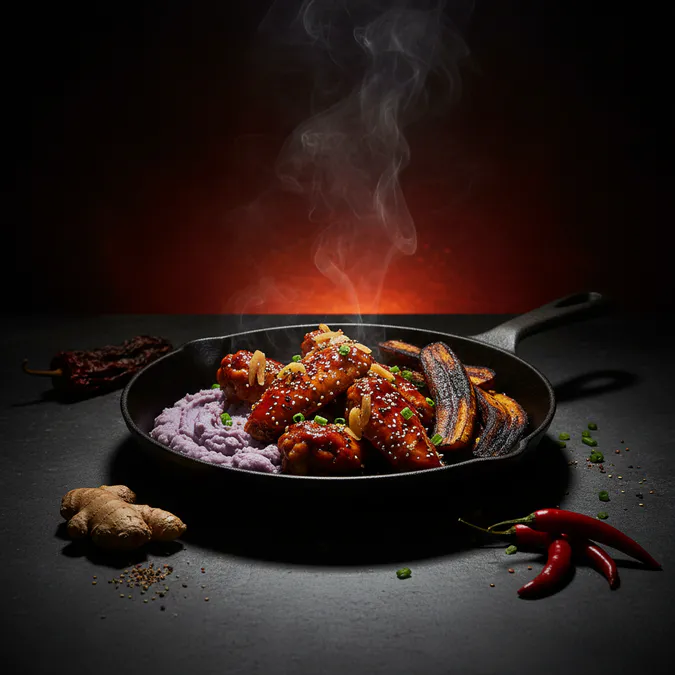
The swicy trend reflects broader consumer psychology in 2026. Rather than seeking extreme spice levels or unfamiliar taste territories, consumers are drawn to flavors that feel both exciting and safe. This represents a departure from the "hotter is better" mentality that dominated previous years. Food manufacturers are responding by developing products that deliver bold flavor experiences without alienating consumers who prefer milder profiles.
According to Melanie Zanoza Bartelme, Flavor Trend Expert at Mintel, "Social media, Gen Z curiosity, and a craving for comfort are redefining the tastes of 2026 and beyond." This insight underscores how consumer psychology has shifted toward seeking flavors that provide both novelty and familiarity—a delicate balance that successful 2026 products will need to achieve. [Source: IFT Omnivore Podcast]
The Rise of Botanicals and Functional Foods
Botanicals and floral flavors are experiencing a significant evolution in 2026. What was once considered experimental and niche is now becoming foundational across multiple food categories. Ingredients like lavender, rose, hibiscus, and other botanical elements are moving from specialty applications into mainstream products, from beverages to baked goods to savory dishes.
This shift reflects growing consumer interest in functional foods—products that offer health benefits beyond basic nutrition. Botanicals are often associated with wellness properties, whether real or perceived, making them attractive to health-conscious consumers navigating economic uncertainty. Rather than splurging on expensive superfoods or novel ingredients, consumers are embracing botanicals as accessible ways to add perceived health value to everyday foods.
The functional food movement extends beyond botanicals. Consumers in 2026 are increasingly seeking products that support digestive health, mental clarity, and overall wellness. This trend is particularly pronounced among younger consumers and those influenced by social media wellness trends. Food manufacturers are responding by incorporating functional ingredients into products across all categories, from snacks to beverages to prepared meals.
Pickle Fever and Fermented Flavor Innovation
One of the most striking trends for 2026 is what industry experts are calling "pickle fever"—a widespread enthusiasm for fermented, acidic flavors that extends far beyond traditional pickled vegetables. This trend is driving innovation across snacks, beverages, and even desserts, as manufacturers explore how fermented and acidic flavor profiles can enhance products in unexpected ways.
The pickle trend gained significant momentum with real-world product launches. Popeyes capitalized on this trend by launching pickle-glazed chicken sandwiches, spicy dill snacks, and pickle lemonade in October 2025. These products demonstrate how pickle flavors can be integrated into mainstream quick-service restaurant offerings, appealing to consumers seeking novel yet approachable taste experiences.
Beyond novelty, the pickle trend is driven by genuine consumer interest in fermented foods for gut health. Fermentation has become synonymous with probiotics and digestive wellness, making fermented flavors appealing to health-conscious consumers. The acidic, tangy profile of pickled products also provides a refreshing contrast to the sweet and savory flavors that dominate many processed foods, offering consumers a palate-cleansing alternative.
According to the research, pickle fever is one of the key drivers of fermented, acidic flavors in snacks, beverages, and desserts for gut health. [Source: Flavorsum 2026 Food & Beverage Flavor Trends]
Social Media, Gen Z, and Interactive Food Experiences
Social media's influence on food trends cannot be overstated in 2026. According to Flavorsum's 2026 Trends report, there has been a 16% increase in social discussions on interactive foods and beverages over the past year. This statistic reflects how Gen Z and younger millennials are driving demand for foods and beverages that are not just delicious but also visually interesting and shareable on social platforms.
Interactive food experiences—whether through customizable flavor profiles, visually striking presentations, or participatory eating experiences—are becoming increasingly important to consumers. This trend is particularly pronounced among younger demographics who view food as both sustenance and content. Brands that can create Instagram-worthy, TikTok-friendly products are gaining significant competitive advantages in the marketplace.
The social media influence extends to how consumers discover and learn about flavors. Rather than relying solely on traditional advertising, consumers are increasingly influenced by peer recommendations, influencer endorsements, and user-generated content. This shift has profound implications for how food brands should approach marketing and product development in 2026.
Regional American Influences and Global Fusions
Another significant trend for 2026 is the growing interest in regional American flavors and global fusion cuisine. According to data from the Food Marketing Institute via IFT Food Technology, nine of 10 shoppers look for U.S. regional influences when buying prepared foods. This statistic demonstrates the broad appeal of authentic, regionally-inspired flavors across the consumer base.
Regional American cuisines—from Southern comfort food to Southwestern flavors to New England seafood traditions—are gaining prominence as consumers seek authentic, locally-rooted taste experiences. This trend reflects broader consumer interest in authenticity and heritage, particularly in an era of economic uncertainty when familiar, comforting flavors hold special appeal.
Simultaneously, global fusion flavors continue to evolve and expand. Asian fusion ingredients and flavor profiles are particularly prominent in 2026, with ingredients like gochujang (Korean fermented chili paste) and yuzu (Japanese citrus) becoming increasingly mainstream. These ingredients offer consumers access to authentic global flavors without requiring them to seek out specialty Asian markets or restaurants.
The convergence of regional American and global fusion trends reflects how consumers are becoming increasingly sophisticated in their flavor preferences. They want authenticity, but they also want access to global tastes. Food manufacturers and restaurants that can successfully blend these elements—offering regional American products with global flavor influences—are well-positioned to capture consumer interest in 2026.
Beverage Culture Influences Non-Beverage Innovation
An often-overlooked trend for 2026 is how beverage flavor profiles are influencing innovation in non-beverage categories. Tea, coffee, and cocktail flavors are increasingly appearing in snacks, desserts, and prepared foods. This cross-category flavor migration reflects how consumers' beverage preferences are shaping their broader taste expectations.
Coffee flavors, for example, are moving beyond traditional coffee beverages into ice cream, chocolate, and baked goods. Tea flavors—from matcha to chai to herbal infusions—are appearing in everything from energy bars to savory snacks. Cocktail-inspired flavors are influencing premium snack development, with flavor combinations traditionally associated with craft cocktails now appearing in chips, nuts, and other savory products.
This trend demonstrates how flavor innovation is becoming increasingly cross-categorical. Successful food manufacturers in 2026 are those who can identify flavor trends in one category and adapt them for application in unexpected product categories. The beverage industry's innovation in flavor development is serving as a testing ground for flavor combinations that can then be adapted for broader food applications.
The Bottom Line: What These Trends Mean for the Food Industry
The 2026 flavor trends outlined by the Institute of Food Technologists paint a picture of a market in transition. Consumers are seeking bold yet comforting flavors, functional ingredients, and authentic taste experiences. Economic caution is driving preference for familiar, accessible products over extreme or experimental flavors. Social media and younger consumers are demanding interactive, shareable food experiences. Regional American influences and global fusion flavors are becoming mainstream.
For food manufacturers and culinary professionals, these trends offer clear direction for product development and menu innovation. Success in 2026 requires:
- Balancing novelty with familiarity in flavor development
- Incorporating functional ingredients that appeal to health-conscious consumers
- Creating products that are visually interesting and socially shareable
- Leveraging regional American and global fusion flavor combinations
- Exploring cross-category flavor applications from beverages to snacks
Understanding these trends—and the consumer psychology driving them—is essential for staying competitive in an increasingly sophisticated food marketplace.
As Silvia Schnicker, Director of Marketing at Edlong, notes, "Our Flavor Trend Report isn't just about following trends; we see it as a blueprint of how Edlong can help our partners lead the way with authentic and innovative tastes and flavors." [Source: Edlong Taste the Trends Report] This perspective captures the essence of 2026 flavor trends: they're not about chasing novelty for its own sake, but about understanding consumer desires and creating authentic, innovative products that meet those desires.
The food industry professionals who invest time in understanding these trends—and who can translate them into compelling products and menu offerings—will be best positioned to capture consumer interest and drive growth in 2026 and beyond. Whether you're developing new products, updating menus, or planning marketing campaigns, the insights from IFT's Outlook 2026: Flavor Trends should inform your strategic decisions.
Frequently Asked Questions About 2026 Flavor Trends
What are the main 2026 flavor trends according to IFT?
The primary 2026 flavor trends include swicy (sweet and spicy) flavor combinations, botanicals and functional foods, pickle fever and fermented flavors, social media-driven interactive foods, regional American influences, global fusion cuisines, and beverage-inspired non-beverage products. These trends reflect consumer desires for bold yet comforting flavors that balance novelty with familiarity.
Why is "swicy" becoming popular in 2026?
Swicy flavors—blending sweet and spicy elements—appeal to a broader consumer base than traditional spicy foods. The sweetness component makes these flavors more accessible to consumers who might otherwise avoid intensely hot dishes. This trend reflects consumer psychology favoring exciting yet safe flavor experiences over extreme heat levels.
How are botanicals being used in 2026 flavor trends?
Botanicals like lavender, rose, and hibiscus are moving from niche specialty applications into mainstream food categories including beverages, baked goods, and savory dishes. Consumers are drawn to botanicals for their perceived wellness properties, making them attractive functional ingredients in everyday products.
What is driving pickle fever in 2026?
Pickle fever is driven by consumer interest in fermented foods for gut health and digestive wellness. The acidic, tangy profile of pickled products provides a refreshing contrast to sweet and savory processed foods. Real-world product launches, like Popeyes' pickle-glazed offerings, have accelerated mainstream adoption of pickle flavors across snacks, beverages, and desserts.
How does social media influence 2026 flavor trends?
Social media drives demand for visually interesting and shareable foods. A 16% increase in social discussions about interactive foods demonstrates Gen Z and younger millennials' influence on product development. Brands creating Instagram-worthy and TikTok-friendly products gain competitive advantages through peer recommendations and influencer endorsements.
Are regional American flavors still relevant in 2026?
Yes, regional American flavors remain highly relevant. Nine of 10 shoppers seek U.S. regional influences when buying prepared foods. Regional cuisines from Southern comfort food to Southwestern flavors appeal to consumers seeking authentic, locally-rooted taste experiences, especially during periods of economic uncertainty.
How are beverage trends influencing food product innovation?
Beverage flavor profiles—from coffee and tea to cocktail-inspired combinations—are increasingly appearing in non-beverage categories like snacks, desserts, and prepared foods. This cross-category flavor migration reflects how consumers' beverage preferences shape their broader taste expectations and provides a testing ground for innovative flavor combinations.
Sources
- Automated Pipeline
- Top Flavor Trends in North America for 2026 | IFF Taste
- Flavor Trends for 2026 and Beyond, Why Biodiversity Matters - IFT.org
- 2026 Food and Beverage Trends: Crafting Desirable Flavor - Flavorsum
- Taste the Trends & Flavors Defining 2026 - Edlong
- The 2026 flavor trends map in America, Europe, and Asia - Sigep
- Source: ift.org
- Source: bickfordflavors.com