
The 2026 Culinary Landscape
The National Restaurant Association's 2026 What's Hot Culinary Forecast represents the industry's most comprehensive annual analysis of emerging food and beverage trends. Released in November 2025, the forecast is based on surveys
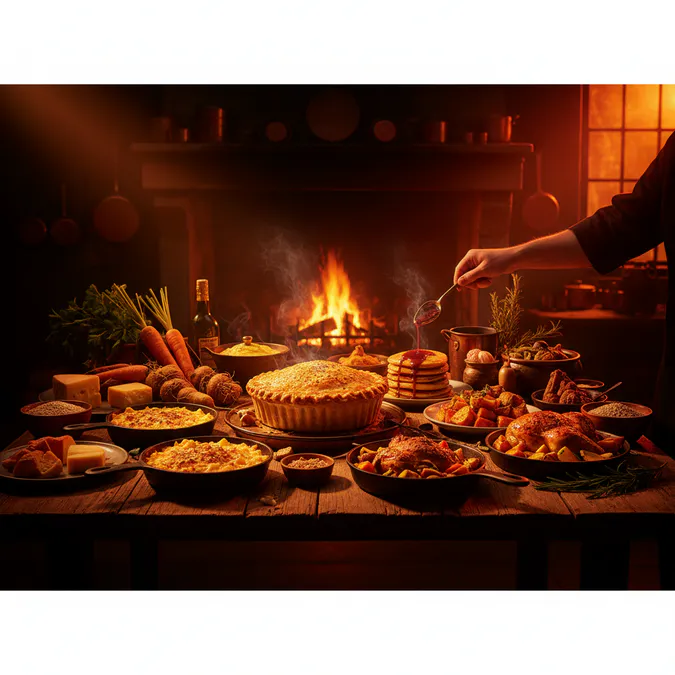
The 2026 culinary forecast reveals that the restaurant industry faces a unique convergence of economic pressures and changing consumer values. Diners are simultaneously seeking affordable meals and high-quality ingredients, emotional comfort and adventurous global flavors, and indulgence balanced with health consciousness. Rather than viewing these as contradictions, the forecast identifies this paradox as an opportunity for operators who can deliver nostalgia-driven comfort foods with modern twists, transparent sourcing practices, and value-oriented pricing.
Key macro trends shaping the industry include persistent cost inflation affecting restaurant operations, growing consumer demand for dietary accommodations and allergen transparency, and a shift toward locally-sourced ingredients that support community relationships and sustainability goals. These trends reflect broader societal movements toward mindful consumption, economic pragmatism, and experiential dining that transcends simple sustenance.
The U.S. restaurant industry is projected to generate $2.3 trillion in sales for 2026, with menu innovation serving as a key growth driver. According to the National Restaurant Association's economic outlook, this growth will be fueled by operators who successfully adapt to evolving consumer preferences and market dynamics.
Comfort and Nostalgia as Core Drivers
Comfort and nostalgia have emerged as the primary drivers of consumer food preferences in 2026. This shift reflects broader consumer psychology in response to economic uncertainty and rapid social change. When consumers dine out, they increasingly seek meals that deliver emotional satisfaction alongside physical nourishment.
According to the forecast, 78% of restaurant operators report that comfort and value are equally important to their 2026 menu strategy. This statistic underscores a fundamental shift in how restaurants approach menu development. Rather than choosing between comfort classics and innovative cuisine, successful operators are finding ways to blend both approaches.
Dr. Chad Moutray, Chief Economist at the National Restaurant Association, explains the significance of this trend: "Comfort and value are the twin pillars shaping America's menus right now. Consumers are seeking meals that deliver joy and familiarity without breaking the bank, and operators are meeting that ask with creative takes on comfort classics and sourcing local ingredients that make healthy choices easy."
The forecast identifies 'flavor escapism' as a key consumer motivation, where diners use food as a form of emotional escape and comfort. This concept extends beyond simple nostalgia to encompass a desire for meals that evoke positive memories, cultural heritage, and a sense of belonging. Restaurants that tap into this emotional dimension of dining are finding significant competitive advantages in the marketplace.
Top Menu Trends: Smash Burgers and Global Comfort Foods
The 2026 culinary forecast identifies several specific menu items and categories that are expected to dominate restaurant offerings. Smash burgers have emerged as one of the top trending menu items, representing a significant shift in burger preparation and presentation.
Smash Burgers: The New Burger Standard
Smash burgers differ fundamentally from traditional burgers. Rather than forming thick patties, chefs press thin portions of meat onto a hot griddle, creating crispy, caramelized edges while maintaining a juicy interior. This technique delivers superior flavor development through the Maillard reaction and offers a more satisfying textural experience than conventional burgers.
The smash burger trend has already begun reshaping the competitive landscape. Major restaurant groups and emerging concepts are capitalizing on the smash burger trend identified in the National Restaurant Association forecast, with new locations opening across major metropolitan areas. This rapid expansion demonstrates the strength of consumer demand for this particular menu innovation.
Global Comfort Foods: Caribbean Curries and Elevated Noodles
Beyond smash burgers, global comfort foods are gaining significant traction in 2026. Caribbean curry bowls represent a fusion of traditional comfort food formats with bold, globally-inspired flavors. These dishes combine the familiarity of a bowl-based meal with the adventurous spice profiles and ingredient combinations that appeal to increasingly adventurous diners.
Elevated instant noodle dishes represent another fascinating trend within the global comfort foods category. What began as a budget staple has evolved into a canvas for culinary creativity. Chefs are reimagining instant noodles with premium broths, fresh vegetables, proteins, and sophisticated flavor profiles, transforming a humble product into a restaurant-worthy dish.
These global comfort foods succeed because they balance novelty with familiarity. They introduce consumers to new flavor profiles and culinary traditions while maintaining the comfort and satisfaction associated with familiar meal formats. This balance aligns perfectly with the forecast's identification of comfort and adventure as equally important consumer priorities.
Consumer Demand for Value and Transparency
Value menus are becoming increasingly important to restaurant strategy in 2026. However, the concept of 'value' has evolved beyond simply offering low prices. Modern consumers define value as the combination of quality, portion size, and price—they want high-quality ingredients and preparation at affordable price points.
Transparency in menu labeling has become essential to meeting consumer expectations. 45% of diners are actively seeking allergen-friendly or dietary restriction options when dining out, according to the 2026 What's Hot Culinary Forecast survey data. This statistic reflects the growing prevalence of food allergies, intolerances, and dietary preferences among the general population.
Allergen-friendly menus and 'cleaner' recipes with fewer additives and dyes reflect growing consumer demand for ingredient transparency and dietary accommodations. Restaurants that provide detailed information about ingredients, sourcing, preparation methods, and potential allergens are building trust with consumers and creating competitive advantages.
The forecast emphasizes that ingredient transparency has become a competitive advantage for restaurants. Restaurants implementing detailed menu labeling for allergens, additives, and sourcing information are seeing increased customer loyalty and premium pricing opportunities aligned with forecast predictions. This suggests that consumers are willing to pay more for transparency and quality assurance.
Local Sourcing and Sustainability Trends
Local sourcing ranks as the number one overall trend for 2026, with restaurants deepening community ties by featuring ingredients from nearby farms and producers. This movement extends beyond marketing rhetoric to represent a fundamental shift in how restaurants approach ingredient procurement and menu development.
The statistics supporting this trend are compelling. A 62% increase in menu items featuring local or regional sourcing claims compared to 2024 demonstrates the rapid acceleration of this movement. This dramatic increase suggests that local sourcing has transitioned from a niche positioning strategy to a mainstream expectation among restaurant operators.
Local sourcing offers multiple benefits that align with broader consumer values. From an environmental perspective, locally-sourced ingredients typically require less transportation, reducing carbon footprints and supporting sustainability goals. From an economic perspective, local sourcing supports community farmers and producers, strengthening local economies and building relationships between restaurants and their suppliers.
From a culinary perspective, local sourcing enables restaurants to offer seasonal menus that reflect the natural rhythms of agricultural production. This approach encourages chefs to develop creative dishes around available ingredients rather than forcing year-round consistency. The result is often more flavorful, fresher dishes that showcase the quality of local agriculture.
The forecast identifies local sourcing as a key strategy for restaurants seeking to differentiate themselves in competitive markets. By highlighting local partnerships and featuring locally-sourced ingredients prominently on menus, restaurants can appeal to environmentally conscious consumers, support their communities, and often achieve superior ingredient quality and flavor profiles.
Wellness Integration in Menu Development
Wellness considerations are increasingly intersecting with flavor and nostalgia trends in 2026. Rather than viewing health and indulgence as opposing forces, successful restaurants are finding ways to integrate wellness into comfort-focused menus.
This approach recognizes that modern consumers don't want to choose between health and pleasure. They want meals that taste delicious and satisfy emotional cravings while also supporting their wellness goals. This might mean offering comfort food classics prepared with cleaner ingredients, reducing sodium and added sugars without sacrificing flavor, or providing plant-based versions of traditionally meat-heavy dishes.
The forecast identifies wellness as one component of the 'power trio' of consumer priorities: health and wellness, value and affordability, and emotional satisfaction through comfort and nostalgia. Restaurants that successfully balance all three elements are best positioned to capture market share and build loyal customer bases.
Practical applications of wellness integration include offering detailed nutritional information, highlighting dishes made with whole grains and vegetables, providing options for dietary restrictions and allergies, and using cooking methods that preserve nutritional value while maximizing flavor. These approaches allow restaurants to appeal to health-conscious consumers without alienating those seeking comfort and indulgence.
What This Means for Restaurant Operators
The 2026 culinary forecast offers clear strategic guidance for restaurant operators seeking to capitalize on emerging trends and meet evolving consumer expectations.
Strategic Priorities for 2026
Restaurant operators should prioritize the following strategies based on the forecast:
- Balance nostalgia with innovation: Develop menu items that honor comfort food traditions while introducing modern twists and global influences. Smash burgers and elevated noodle dishes exemplify this balance.
- Prioritize local sourcing and ingredient transparency: Build relationships with local farmers and producers, feature local ingredients prominently on menus, and provide detailed information about sourcing and preparation methods.
- Develop value-oriented menus without sacrificing quality: Create pricing strategies that deliver perceived value through quality ingredients, generous portions, and careful preparation rather than simply cutting costs.
- Accommodate diverse dietary needs: Implement comprehensive allergen labeling, offer options for common dietary restrictions, and develop recipes with cleaner ingredients and fewer additives.
- Invest in culinary training and creativity: As staffing challenges ease, invest in training chefs to execute complex global comfort food dishes and develop innovative menu items that align with forecast trends.
Capitalizing on Emerging Opportunities
As staffing challenges ease in early 2026, restaurants are investing more heavily in culinary creativity and training chefs to execute complex global comfort food dishes. This investment directly supports the forecast's predicted trends and positions operators to capitalize on emerging consumer preferences.
Dr. Chad Moutray emphasizes the broader significance of these trends: "The 2026 forecast highlights a restaurant industry that continues to adapt to changing tastes and economic realities. It is driven by connection and creativity, bringing fresh energy to classic favorites while celebrating the global flavors that make dining out an experience."
Restaurants that successfully implement these strategies are seeing tangible business results. Those implementing detailed menu labeling for allergens, additives, and sourcing information are experiencing increased customer loyalty and premium pricing opportunities. This suggests that consumers are willing to reward restaurants that prioritize transparency and quality.
Key Takeaways
The 2026 culinary forecast reflects fundamental shifts in consumer values and expectations that will likely persist beyond 2026. The emphasis on local sourcing, ingredient transparency, and balanced nutrition suggests that restaurants investing in these areas now will be well-positioned for long-term success.
The convergence of comfort, value, and wellness represents a maturation of consumer expectations. Rather than seeking novelty for its own sake, modern diners want meals that satisfy multiple needs simultaneously: emotional comfort, economic value, and health consciousness. Restaurants that can deliver on all three fronts will be the winners in the competitive 2026 landscape and beyond.
The forecast also suggests that the restaurant industry is moving toward greater specialization and differentiation. Rather than trying to appeal to all consumers with generic menus, successful operators will develop clear positioning strategies that align with specific consumer segments and values. Whether that positioning emphasizes local sourcing, global flavors, value pricing, or wellness, clarity and authenticity will be essential.
FAQs
What are the top trends in the 2026 culinary forecast?
The top trends include smash burgers, global comfort foods, and a focus on local sourcing and ingredient transparency.
How important is wellness in the 2026 culinary landscape?
Wellness is a key component, with restaurants integrating health-conscious options into comfort-focused menus.
What does consumer demand for value mean in 2026?
Consumers are looking for high-quality ingredients at affordable prices, with transparency in menu labeling becoming essential.
How can restaurants capitalize on these trends?
By balancing nostalgia with innovation, prioritizing local sourcing, and accommodating diverse dietary needs, restaurants can meet evolving consumer expectations.