
The 2026 What's Hot Culinary Forecast Overview
On November 19, 2025, the National Restaurant Association released its highly anticipated 2026 What's Hot Culinary Forecast, a comprehensive report that has become one of the foodserv
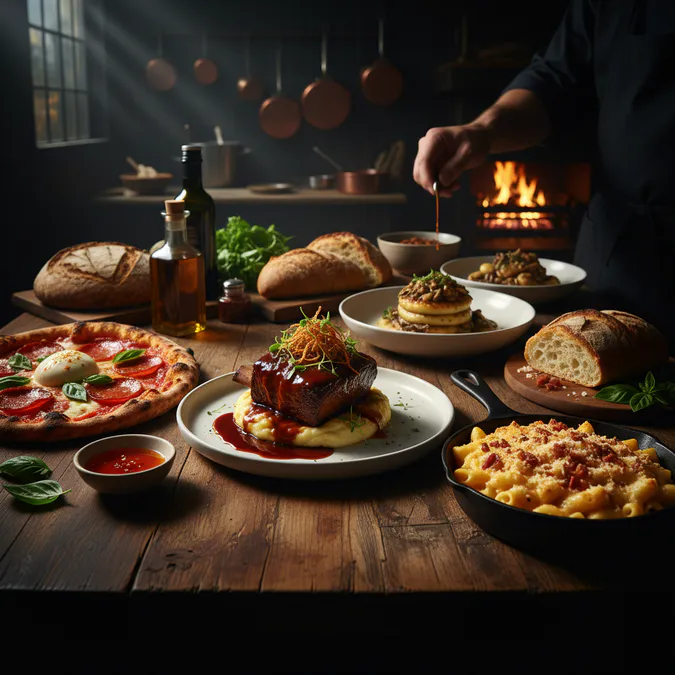
The forecast was developed through a rigorous survey process conducted in October 2025, gathering insights from hundreds of culinary professionals who work on the front lines of menu development and food service innovation. These experts were asked to identify the flavors, dishes, ingredients, and beverage concepts most likely to influence menus in the coming year. The resulting report identifies the top 10 overall restaurant and foodservice trends expected to shape menus in 2026, while also ranking the top 5 breakout trends across specific categories including dishes, ingredients, flavors, condiments, beverages, and desserts.
According to the official announcement via PR Newswire, the 2026 culinary forecast reflects a consumer mood shaped by three dominant factors: comfort-seeking behavior, budget sensitivity, and an increasing interest in globally inspired foods. This combination helps explain why certain trends have risen to prominence and why restaurants should pay particular attention to how they position their menus in the coming year.
Top Culinary Trends for 2026
The 2026 What's Hot Culinary Forecast highlights several standout trends that will reshape American restaurant menus throughout the year. These trends represent a fascinating blend of nostalgia and innovation, combining familiar comfort foods with modern culinary techniques and international influences.
Smash Burgers Lead the Charge
Smash burgers have emerged as a major menu trend for 2026, reflecting consumers' desire for elevated versions of classic American fare. Unlike traditional thick burgers, smash burgers feature thin, crispy patties created by pressing ground beef onto a hot griddle, resulting in maximum surface area for browning and flavor development. This technique, once associated primarily with regional burger joints and food trucks, has now captured the attention of fine dining establishments and casual chains alike. The trend exemplifies how restaurants are updating nostalgic dishes with refined execution and premium ingredients.
Global Comfort Foods Take Center Stage
Caribbean curry bowls represent another significant trend identified in the forecast, demonstrating the growing consumer appetite for globally inspired comfort foods. These dishes combine the warmth and satisfaction of traditional comfort food with the bold, complex flavors of Caribbean cuisine. The trend reflects a broader movement toward fusion cooking that respects authentic culinary traditions while making them accessible and appealing to mainstream American diners. Caribbean curry bowls typically feature protein options paired with aromatic spices, coconut-based sauces, and fresh vegetables, offering both nutritional value and memorable flavor experiences.
Elevated Instant Noodles and Nostalgic Innovation
Elevated instant noodles represent another fascinating trend identified in the forecast. This category includes restaurant interpretations of ramen, pho, and other noodle-based dishes that start with quality ingredients and sophisticated flavor profiles rather than relying on packaged seasoning packets. The trend speaks to a broader consumer interest in nostalgic foods reimagined with premium ingredients and culinary expertise. Restaurants are capitalizing on the universal appeal of noodle dishes while positioning them as worthy of fine dining establishments, not just quick-service options.
Low- and No-Alcohol Beverages Gain Momentum
The forecast also highlights the growing importance of low- and no-alcohol drink options on restaurant menus. This trend reflects shifting consumer preferences toward health-conscious choices, designated driving considerations, and the growing popularity of alcohol-free social experiences. Restaurants are responding by developing sophisticated mocktails, non-alcoholic spirits, and innovative beverage programs that offer complexity and satisfaction without alcohol content. This trend is particularly significant as it represents a fundamental shift in how restaurants approach their beverage programs and customer experience.
Comfort and Value as Menu Drivers
Dr. Chad Moutray, Chief Economist at the National Restaurant Association, provided crucial insight into the underlying philosophy of the 2026 culinary forecast: "Comfort and value are the twin pillars shaping America's menus right now." This statement encapsulates the economic and psychological factors influencing dining trends in 2026.
The emphasis on comfort reflects a broader consumer desire for familiar, satisfying foods that provide emotional reassurance alongside nutritional sustenance. In an uncertain economic environment, diners are seeking meals that feel like home, that remind them of cherished memories, and that deliver genuine satisfaction. This explains the prominence of smash burgers, elevated instant noodles, and other nostalgic items in the forecast.
Value, meanwhile, addresses the budget-conscious reality facing many American consumers. Restaurants that can deliver premium experiences, high-quality ingredients, and satisfying portions at reasonable prices will have a significant competitive advantage in 2026. This doesn't necessarily mean cheap food; rather, it means food that delivers genuine value—dishes where the quality and portion size justify the price point, and where diners feel they've received fair exchange for their money.
The National Restaurant Association's statement in the forecast announcement emphasizes this dual focus: "From smash burgers and Caribbean curry bowls to protein-packed meals and low-alcohol drinks, this year's report shows that diners are craving fusions of past trends and modern flavors." This observation highlights how successful 2026 menu trends combine the best of what consumers remember and love with contemporary culinary innovation and global influences.
Sustainability and Health-Conscious Options
Beyond specific dishes and beverages, the 2026 What's Hot Culinary Forecast emphasizes several important categories that reflect broader consumer values and concerns. These trends address how restaurants source, prepare, and present food in ways that align with contemporary expectations around health, wellness, and environmental responsibility.
Cleaner-Label Items and Ingredient Transparency
The forecast highlights the continued importance of cleaner-label items—foods made with recognizable, minimally processed ingredients and without artificial additives, preservatives, or colorings. Consumers increasingly scrutinize ingredient lists and prefer to understand exactly what they're eating. Restaurants that can clearly communicate their ingredient sourcing and preparation methods will appeal to this growing segment of health-conscious diners. This trend extends beyond health considerations; it also reflects consumer desires for authenticity and transparency in food production.
Allergen-Friendly and Inclusive Menu Options
The forecast also emphasizes the importance of allergen-friendly options and inclusive menu design. As awareness of food allergies and dietary restrictions grows, restaurants that proactively address these concerns gain competitive advantage and expand their addressable market. This includes clearly labeled allergen information, dedicated preparation areas to prevent cross-contamination, and menu items specifically designed for common dietary restrictions including gluten-free, dairy-free, nut-free, and vegan options. The trend reflects a broader movement toward inclusive hospitality where all diners feel welcomed and accommodated.
Sustainable Packaging and Environmental Responsibility
The forecast identifies compostable and reusable packaging as important trends for 2026. As environmental consciousness grows among consumers, restaurants face increasing pressure to reduce their waste footprint and adopt sustainable practices. This includes moving away from single-use plastics toward compostable containers, encouraging reusable container programs, and reducing overall packaging waste. Restaurants that embrace these practices not only appeal to environmentally conscious consumers but also often discover operational efficiencies and cost savings through waste reduction initiatives.
What This Means for Restaurants and Operators
The 2026 What's Hot Culinary Forecast serves as more than a simple prediction of which dishes will be popular. Instead, it functions as a comprehensive planning tool that helps restaurants, chefs, chains, and suppliers make informed decisions about menu development, ingredient sourcing, and marketing strategies. Understanding these trends allows operators to anticipate how diners may respond to menu changes and position their establishments for success in the competitive foodservice landscape.
Strategic Menu Planning and Development
For restaurant operators and executive chefs, the forecast provides valuable guidance for menu planning cycles. Rather than making menu decisions based solely on intuition or past performance, operators can reference the forecast to understand broader industry trends and consumer preferences. This doesn't mean every restaurant should add smash burgers or Caribbean curry bowls to their menu; rather, it means understanding the underlying consumer motivations—comfort, value, global flavors, health consciousness—and translating those insights into menu items that align with their specific restaurant concept and target market.
Sourcing and Supply Chain Decisions
The forecast also informs sourcing and supply chain decisions. If certain ingredients or products are trending upward, restaurants may want to establish relationships with suppliers early, potentially securing better pricing and availability. Understanding which proteins, vegetables, grains, and flavor profiles are gaining popularity helps restaurants make strategic sourcing decisions that position them to capitalize on emerging trends while maintaining quality and cost control.
Marketing and Communication Strategy
The language and framing used in the forecast also provides guidance for marketing and communication strategies. Understanding that consumers are seeking comfort, value, and global flavors helps restaurants craft marketing messages that resonate with their target audience. Rather than simply describing a dish, restaurants can position menu items within the broader context of consumer desires and values, making their offerings more compelling and relevant to potential diners.
Competitive Positioning and Differentiation
While the forecast identifies broad industry trends, successful restaurants will be those that interpret these trends in ways that differentiate them from competitors. A burger-focused restaurant might embrace smash burgers as a core menu item, while a fine dining establishment might incorporate the smash burger concept into a more elevated preparation. Similarly, a casual restaurant might develop Caribbean-inspired bowls as a signature item, while a fast-casual concept might offer them as a customizable option. The key is understanding the underlying trend and adapting it to fit your specific restaurant concept and target market.
The 2026 What's Hot Culinary Forecast represents the collective wisdom of hundreds of culinary professionals who understand where the foodservice industry is heading. By carefully studying this forecast and thoughtfully integrating its insights into their business strategies, restaurants can position themselves to thrive in 2026 and beyond. The emphasis on comfort, value, global flavors, and sustainability reflects fundamental shifts in consumer preferences that will likely influence the restaurant industry for years to come.
The Bottom Line
The 2026 What's Hot Culinary Forecast released by the National Restaurant Association provides invaluable guidance for restaurants navigating an increasingly competitive and consumer-conscious marketplace. By understanding that comfort and value are the twin pillars shaping American menus, and by recognizing the growing importance of global flavors, health-conscious options, and sustainable practices, restaurants can make strategic decisions that align with consumer preferences and position them for success. Whether through smash burgers, Caribbean curry bowls, elevated instant noodles, or innovative beverage programs, the restaurants that thrive in 2026 will be those that authentically embrace these trends while staying true to their unique brand identity and culinary vision.
Frequently Asked Questions
What are the key trends in the 2026 culinary forecast?
The key trends include smash burgers, global comfort foods, elevated instant noodles, and low- and no-alcohol beverages.
How does comfort influence dining trends in 2026?
Comfort foods provide emotional reassurance and satisfaction, which are crucial for consumers in uncertain economic times.
What role does sustainability play in the 2026 culinary forecast?
Sustainability is emphasized through cleaner-label items, allergen-friendly options, and sustainable packaging practices.
How can restaurants use the culinary forecast for strategic planning?
Restaurants can use the forecast to inform menu development, sourcing decisions, and marketing strategies that align with consumer preferences.
Sources
- Automated Pipeline
- 2026 What’s Hot Culinary Forecast - National Restaurant Association
- National Restaurant Association Unveils 2026 Culinary Forecast - PR Newswire
- NRA: Comfort and Value Top 2026 Menu Trends - NACS
- Culinary Trends impacting innovation in 2026 | Food Business News
- Source: restaurant.org
- Source: go.restaurant.org