Understanding Food Trends in 2026

The restaurant industry continues to transform at an unprecedented pace, and staying ahead of emerging food trends has become essential for business growth and customer retention. As we navigate 2026, hospitality businesses must carefully monitor shifting consumer preferences, technological innovations, and sustainability demands that are reshaping how restaurants operate and serve their guests.
Understanding the landscape of food trends in 2026 allows restaurant owners and operators to make informed decisions about menu development, sourcing strategies, and overall business positioning. The following twelve food trends represent the most significant opportunities for restaurants seeking to enhance their competitive advantage and drive meaningful growth.
1. Plant-Based Innovation Beyond Basics
The plant-based movement has matured significantly, moving far beyond simple vegetable substitutes. In 2026, restaurants are seeing increased demand for sophisticated plant-based dishes that stand on their own merit rather than attempting to replicate meat products. This trend encompasses creative vegetable-forward cuisine, innovative legume preparations, and plant-based
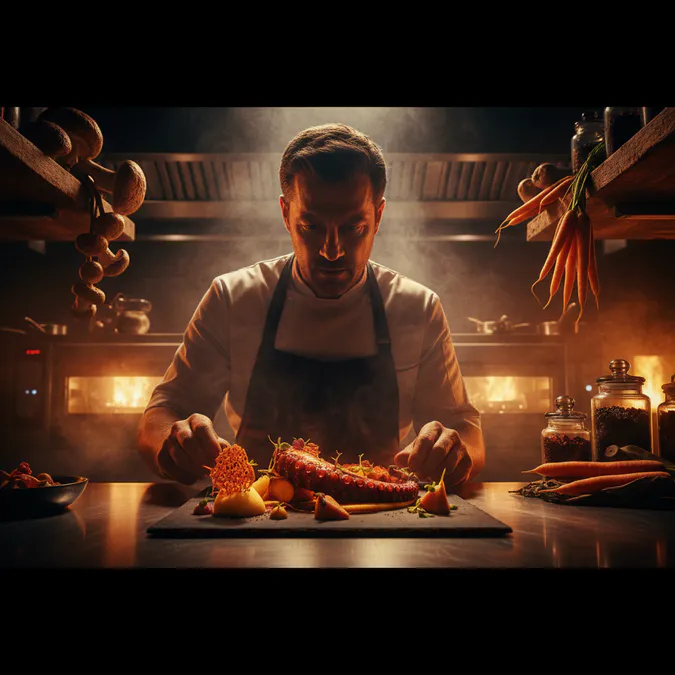
Restaurants implementing plant-based innovation should focus on developing dishes that highlight natural flavors and textures rather than relying on processed meat alternatives. This approach attracts a broader customer base while demonstrating culinary creativity and commitment to diverse dietary preferences.
2. Micro-Local Sourcing and Hyperlocal Menus
Consumers increasingly value transparency about food origins, driving demand for hyperlocal sourcing practices. Restaurants are establishing direct relationships with nearby farms, producers, and artisans to create menus that reflect their specific geographic regions. This food trend supports local economies while providing customers with fresher ingredients and compelling origin stories.
Implementing hyperlocal sourcing requires developing supply chain relationships within a limited geographic radius, often within 50-100 miles of the restaurant. This approach reduces transportation costs, supports community relationships, and creates marketing opportunities centered on local partnerships and seasonal availability.
3. Fermentation and Preservation Techniques
Traditional fermentation and preservation methods are experiencing a renaissance in modern restaurants. Chefs are exploring kimchi, kombucha, miso, tempeh, and other fermented ingredients to add depth, complexity, and probiotic benefits to dishes. These food trends reflect growing consumer interest in gut health and traditional culinary techniques that enhance both flavor and nutritional value.
Restaurants incorporating fermentation can develop signature condiments, sides, and preparations that differentiate their menus while supporting health-conscious dining trends. In-house fermentation also creates opportunities for menu storytelling and educational dining experiences.
4. Nostalgia-Driven Comfort Cuisine
As economic uncertainty persists, consumers seek comfort in familiar flavors and nostalgic dining experiences. This food trend manifests as elevated comfort food, reimagined childhood favorites, and regional classics prepared with premium ingredients and modern techniques. Restaurants successfully leveraging nostalgia create emotional connections that drive customer loyalty and repeat visits.
Developing nostalgic menus requires understanding your target demographic's cultural background and food memories while elevating traditional dishes through quality ingredients and refined preparation methods.
5. Global Fusion with Authenticity
While fusion cuisine has existed for decades, 2026 brings a more sophisticated approach emphasizing authentic cultural foundations combined with creative innovation. Rather than arbitrary ingredient combinations, successful restaurants are exploring meaningful intersections between culinary traditions, often led by chefs with genuine cultural connections to the cuisines they're blending.
This food trend demands respect for culinary traditions while creating innovative dishes that feel intentional rather than gimmicky. Restaurants should invest in chef expertise and cultural knowledge to execute fusion concepts authentically.
6. Zero-Waste and Circular Kitchen Practices
Sustainability has evolved from a marketing advantage to a business necessity. Restaurants implementing zero-waste and circular kitchen practices reduce costs while appealing to environmentally conscious consumers. This includes utilizing vegetable scraps for stocks, repurposing bread for breadcrumbs, and developing creative uses for byproducts that traditionally end up in landfills.
Zero-waste initiatives require systematic changes to food purchasing, preparation, and disposal practices. Restaurants successfully implementing these food trends often discover significant cost savings alongside environmental benefits.
7. Personalized Dining Experiences and Data-Driven Menus
Technology enables restaurants to gather customer preference data and create increasingly personalized dining experiences. From customized tasting menus based on dietary restrictions and flavor preferences to AI-powered menu recommendations, personalization represents a significant food trend for 2026. This approach enhances customer satisfaction while providing valuable data for menu optimization.
Implementing personalization requires investing in customer relationship management systems and training staff to gather and utilize preference information effectively.
8. Cellular Agriculture and Lab-Grown Proteins
As regulatory frameworks evolve, cellular agriculture and lab-grown proteins are beginning to appear in forward-thinking restaurants. While still relatively niche, this food trend represents the future of sustainable protein production. Early adopters position themselves as innovation leaders while addressing concerns about traditional animal agriculture's environmental impact.
Restaurants exploring this trend should monitor regulatory developments and consider pilot programs or limited menu offerings to test customer reception.
9. Mindful Eating and Wellness-Focused Menus
Consumers increasingly view dining as an opportunity to support overall wellness rather than simply satisfying hunger. This food trend encompasses nutrient-dense menus, functional ingredients, and dining experiences designed to promote mental and physical health. Restaurants offering wellness-focused options attract health-conscious demographics willing to pay premium prices for nutritionally optimized meals.
Developing wellness menus requires nutritional expertise and understanding of functional ingredients that support specific health outcomes.
10. Culinary Storytelling and Experiential Dining
In an era of social media and content creation, restaurants are investing heavily in culinary storytelling and experiential dining concepts. This food trend goes beyond plating aesthetics to create immersive experiences that engage multiple senses and provide shareable moments. From chef's counter experiences to interactive cooking demonstrations, experiential dining drives customer engagement and word-of-mouth marketing.
Successful experiential dining requires thoughtful design, staff training, and understanding of what creates memorable moments for your specific customer base.
11. Regional and Heritage Ingredient Exploration
Chefs are increasingly exploring lesser-known regional ingredients and heritage varieties that offer unique flavors and cultural significance. This food trend supports agricultural biodiversity while creating distinctive menu offerings that differentiate restaurants from competitors. From ancient grains to heirloom vegetables, heritage ingredient exploration tells compelling stories about food origins and culinary traditions.
Implementing this trend requires developing relationships with specialty producers and educating customers about ingredient significance and culinary applications.
12. Technology-Enhanced Kitchen Operations
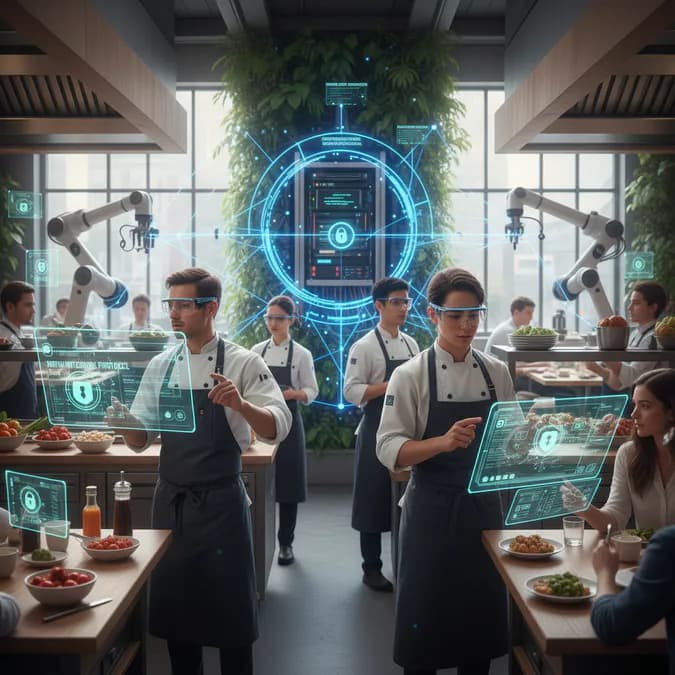
Beyond customer-facing technology, restaurants are implementing advanced kitchen systems including precision cooking equipment, inventory management software, and AI-powered recipe optimization. This food trend improves consistency, reduces waste, and enhances operational efficiency. Technology integration allows restaurants to maintain quality standards while scaling operations.
Investing in kitchen technology requires careful evaluation of specific operational challenges and selection of solutions that integrate effectively with existing systems.
Key Takeaways for Restaurant Growth
Successfully navigating food trends in 2026 requires more than simply adopting popular concepts. Restaurants must thoughtfully evaluate which trends align with their brand identity, customer base, and operational capabilities. The most successful implementations combine trend awareness with authentic execution and genuine commitment to the underlying values these trends represent.
Restaurant owners and operators should approach these food trends strategically, selecting two or three that resonate most strongly with their vision and market position. Rather than attempting to implement all twelve trends simultaneously, phased adoption allows for proper execution and staff training.
The hospitality industry's evolution in 2026 reflects broader societal shifts toward sustainability, health consciousness, authenticity, and meaningful experiences. Restaurants that successfully align their operations with these values while maintaining operational excellence will position themselves for sustained growth and customer loyalty.
As you evaluate these food trends for your restaurant, consider conducting customer research, analyzing competitor implementations, and assessing your operational capacity. The restaurants thriving in 2026 will be those that view trends not as temporary fads but as indicators of fundamental shifts in how consumers want to eat, where they want to dine, and what values they want their dining choices to reflect.
FAQs About Food Trends
What are the top food trends for 2026?
The top food trends for 2026 include plant-based innovation, micro-local sourcing, fermentation techniques, nostalgia-driven comfort cuisine, and technology-enhanced kitchen operations.
How can restaurants adopt food trends?
Restaurants can adopt food trends by researching consumer preferences, developing strategic partnerships with local producers, and investing in technology that enhances dining experiences.
Why are food trends important for restaurants?
Food trends are important for restaurants as they help businesses stay competitive, attract new customers, and respond to changing consumer demands.
How do food trends affect menu development?
Food trends influence menu development by guiding chefs in creating dishes that resonate with current consumer interests, such as sustainability, health, and authenticity.
What role does technology play in food trends?
Technology plays a crucial role in food trends by enabling personalized dining experiences, improving kitchen operations, and facilitating data-driven decision-making.
Table of Contents
- Understanding Food Trends in 2026
- 1. Plant-Based Innovation Beyond Basics
- 2. Micro-Local Sourcing and Hyperlocal Menus
- 3. Fermentation and Preservation Techniques
- 4. Nostalgia-Driven Comfort Cuisine
- 5. Global Fusion with Authenticity
- 6. Zero-Waste and Circular Kitchen Practices
- 7. Personalized Dining Experiences and Data-Driven Menus
- 8. Cellular Agriculture and Lab-Grown Proteins
- 9. Mindful Eating and Wellness-Focused Menus
- 10. Culinary Storytelling and Experiential Dining
- 11. Regional and Heritage Ingredient Exploration
- 12. Technology-Enhanced Kitchen Operations
- Key Takeaways for Restaurant Growth
- FAQs About Food Trends